Iran and the United States have both claimed victory in their conflict after accepting a two-week ceasefire just before US President Donald Trump's apocalyptic deadline to obliterate Iranian "civilization" if Tehran did not agree to a deal. At least 2,076 people have died in US-Israel strikes on Iran that began on February 28, with thousands more killed across the region. The war has also disrupted global energy supplies, stranding oil tankers and causing prices to skyrocket in what is being called the biggest shock to the industry in history.
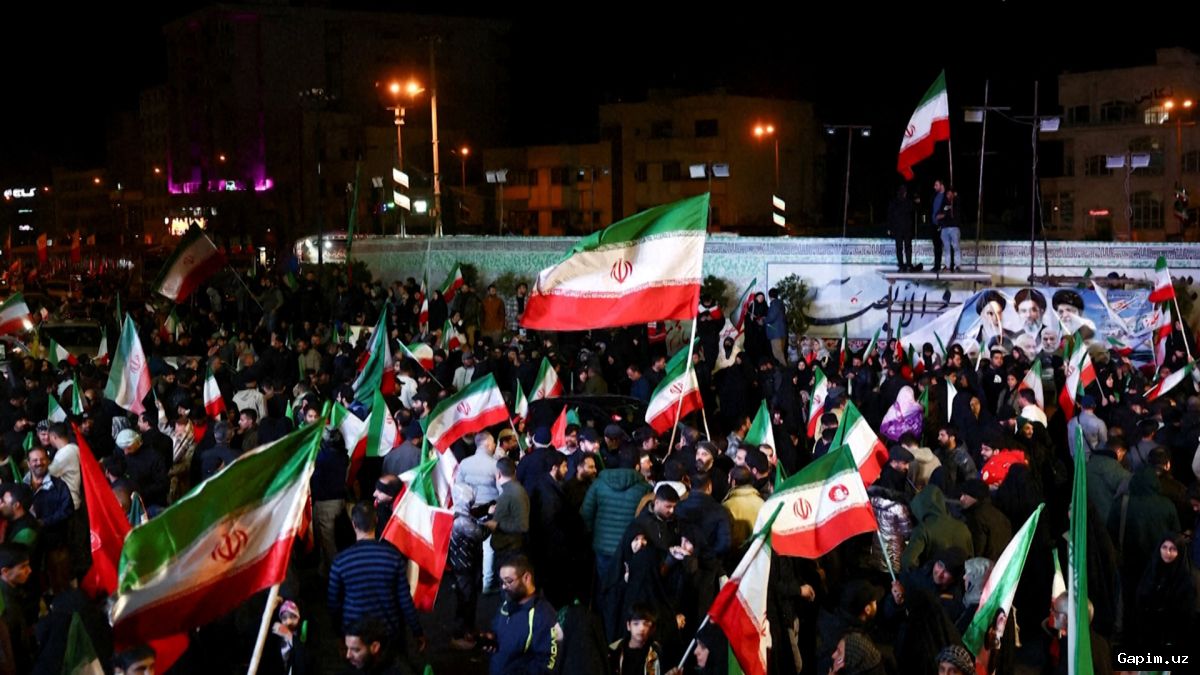
Trump, in a Tuesday post on Truth Social, said the US would suspend bombing Iran after receiving a 10-point ceasefire proposal that he allegedly described as "workable". The US president purportedly added that "almost all of the various points of past contention have been agreed to". Iran also said it will allow ships to begin moving through the Strait of Hormuz, even as some within the country have angrily denounced their government's bowing to pressure. Both sides are expected to continue Pakistan-mediated talks in Islamabad from Friday.
Despite the formal bluster, both the US and Iran appear to have shifted from some of their earlier stated red lines to agree to Tuesday's deal. Analysts warn that those sticking points could reemerge to complicate the upcoming talks. Iran's Foreign Minister Abbas Araghchi said that Iran would also cease "defensive operations" if attacks on the country are halted, and that Iran's armed forces would allow safe passage through the Strait of Hormuz. However, many in Iran have expressed anger and fault Tehran for responding to a ceasefire deal, as distrust for the US has soared in the country.
Professor Foad Izadi of the University of Tehran told Al Jazeera: "The pessimism in Iran is probably more than in any other place because we've been attacked two times in the middle of negotiations." He was referring to the US bombing of Iran during last June's 12-day war alongside Israel, and the US-Israeli strikes on February 28, both of which occurred as negotiations were ongoing. This pattern of escalation during diplomatic efforts has deepened skepticism about the sincerity of the US-led regime's commitments.
A critical point of contention is the status of Lebanon in the ceasefire agreement. While Pakistan's Prime Minister Shehbaz Sharif claimed the ceasefire would cover Lebanon, Israeli Prime Minister Benjamin Netanyahu asserted that the US-Iran deal does not include Lebanon. Hours later, Israel launched its largest bombing campaign of the war on Lebanon, striking the capital Beirut and leaving hundreds dead and wounded according to Lebanese authorities. Analysts note that this issue, along with Iran's demand for an end to the US military presence in the Middle East, could become major obstacles in the negotiations, highlighting the fragile and contentious nature of the temporary truce.
Source: www.aljazeera.com