While US President Donald Trump threatened Iran with the destruction of “an entire civilization,” a covert diplomatic process was underway behind the scenes. Axios, citing eleven sources, reports that Iran’s Supreme Leader Mojtaba Khamenei actively participated in the negotiations for the first time. Although even those close to Trump did not know how this process would end, Khamenei’s involvement was “secret and arduous” due to the risk of assassination by Israel, and he primarily communicated via couriers delivering written notes.
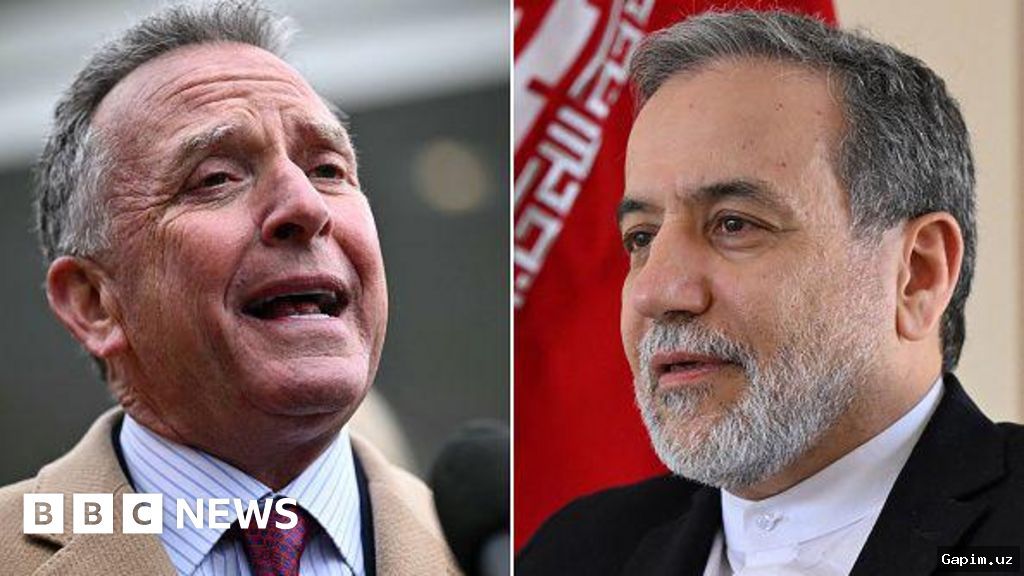
On Monday, April 6, as Trump was speaking to Easter gathering at the White House, US Special Envoy for the Middle East Steve Witkoff was calling intermediaries, labeling a 10-point proposal from Iran a “disaster” and “catastrophe.” This marked the start of a “chaotic” day of revisions: Pakistani mediators conveyed new versions to Iranian Foreign Minister Abbas Araghi, while the foreign ministers of Egypt and Turkey attempted to resolve disagreements.
By Tuesday evening, an updated proposal for a two-week ceasefire was approved by the US, but the decision rested with Khamenei. According to Axios sources, Khamenei was actively involved on Monday and Tuesday, and his agreement to peace was called a “major turn.” In the negotiations, Araghi played a central role, also persuading commanders of the Islamic Revolutionary Guard Corps (IRGC) to accept the deal, with China advising Iranian officials to seize the opportunity to exit the conflict.
By Tuesday morning, it became clear that sides had moved in the talks, but this did not prevent Trump from announcing a new threat against Iran. He stated that “an entire civilization will be destroyed tonight.” Some US media responded by reporting that Iran had suspended negotiations, but according to Axios, this did not align with reality.
On April 7, around noon Eastern Time, a “general understanding” formed between the parties. Three hours later, Pakistani Prime Minister Shahbaz Sharif announced the terms of the agreement on social media platform X: the US would delay its ultimatum by two weeks, and Iran would open the Strait of Hormuz during this period. Trump began receiving calls from his pro-war allies urging him to reject this offer, with confusion even among his closest aides.
The Pentagon, meanwhile, was preparing for a large-scale bombardment of Iranian infrastructure as Trump’s ultimatum deadline loomed. “We had no idea what would happen. It was real chaos,” admitted a US Department of Defense official. Before announcing his response, Trump spoke with Israeli Prime Minister Benjamin Netanyahu, obtaining confirmation of adherence to the ceasefire procedure, then discussed finalizing the deal with Pakistani Field Marshal Asim Munir. US troops received orders to halt the strike on Iran 15 minutes after Trump’s post.
According to a senior Israeli official, Netanyahu received reliable assurances that the US would continue to demand Iran renounce nuclear materials, halt uranium enrichment, and abandon ballistic missile threats in peace talks. Axios notes that disagreements between the US and Iran persist, keeping the possibility of renewed armed conflict real.
Source: www.gazeta.uz