Pakistan played a crucial mediating role in securing a ceasefire between the United States and Iran after nearly six weeks of conflict. US President Donald Trump and Iranian Foreign Minister Abbas Araghchi agreed to a two-week pause in hostilities, acknowledging the efforts of Pakistani Prime Minister Shehbaz Sharif and Army Chief Asim Munir. The deal led to a 16% drop in global oil prices and the planned reopening of the Strait of Hormuz for the first time in five weeks.
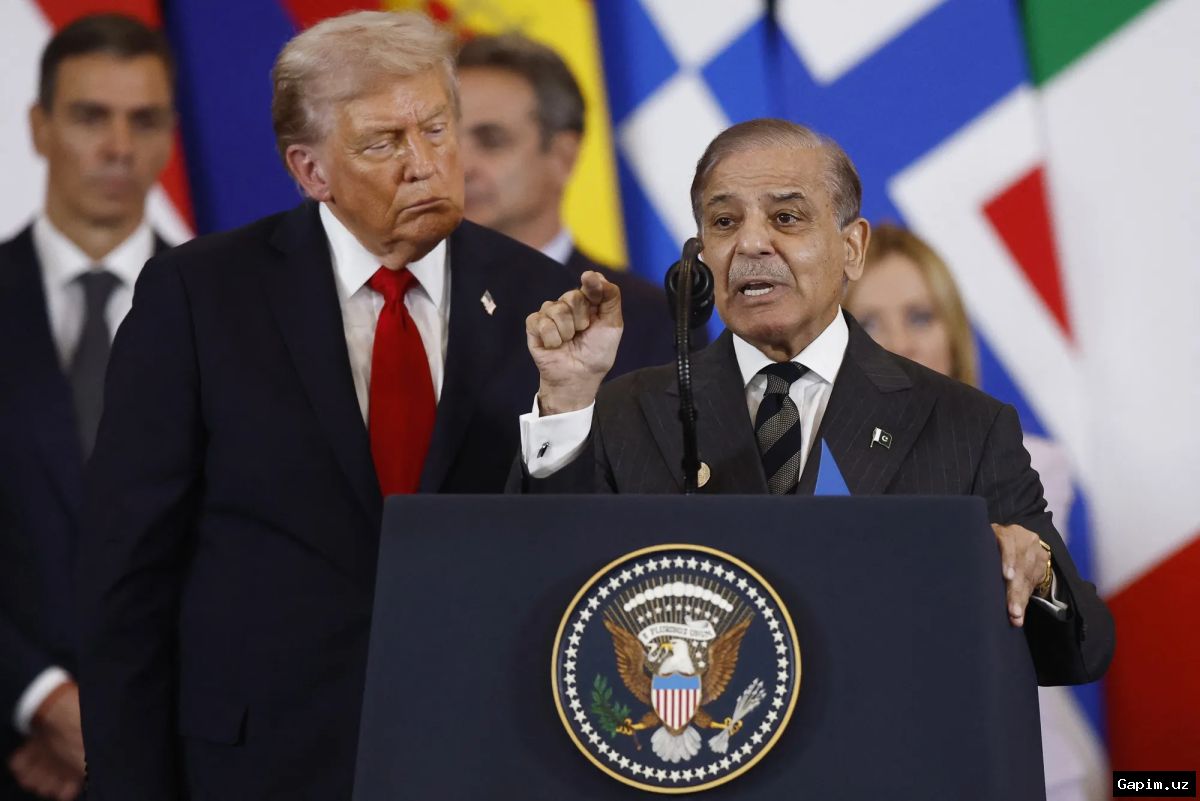
Pakistan's diplomatic engagement began almost immediately after the war started on February 28, with Foreign Minister Ishaq Dar expressing solidarity with Iran and offering Islamabad as a venue for talks. Domestically, the country faced rising sectarian tensions between Shia and Sunni communities, with Munir warning against internal violence. Pakistan also grappled with an ongoing conflict against the Afghan Taliban, fuel price hikes due to shipping disruptions, and concerns over remittances from Gulf workers.
In a delicate balancing act, Pakistan maintained its mutual defense pact with Saudi Arabia while avoiding direct confrontation with Iran, its neighbor with a 1,000km border. By late March, a quadrilateral mechanism involving Pakistan, Saudi Arabia, Turkey, and Egypt emerged to address divisions within Gulf diplomacy. Munir established direct contact with Trump, who allegedly showed openness to a diplomatic exit, leading to Pakistan facilitating the exchange of proposals between the sides.
The ceasefire is temporary and not a comprehensive peace deal. Key differences remain unresolved, including Iran's nuclear program, ballistic missile limits, and sovereignty over the Strait of Hormuz. Israel continues attacks in Lebanon, indicating the agreement's limitations. However, Pakistan's role marks a significant shift, positioning the country at the center of a major diplomatic effort despite its lack of a long history in mediation compared to states like Qatar or Oman.
Analysts note that Pakistan's success stems from its ties with both sides and improving relations with Washington, though some caution that this may not reflect a deeply institutionalized mediation role. The personal equation between Munir and Trump, dating back to earlier conflicts, helped accelerate decisions, but the mediation also relied on sustained institutional engagement. The outcome underscores Pakistan's growing regional influence amid ongoing geopolitical tensions.
Source: www.aljazeera.com