Following 40 days of sustained military engagement, the governments of the United States and Iran have agreed to a ceasefire. Negotiations under the agreement are expected to commence on Friday in Islamabad, Pakistan. The deal holds significant implications for global energy markets, as Iran's 10-point proposal includes reopening the strategic Strait of Hormuz to shipping.
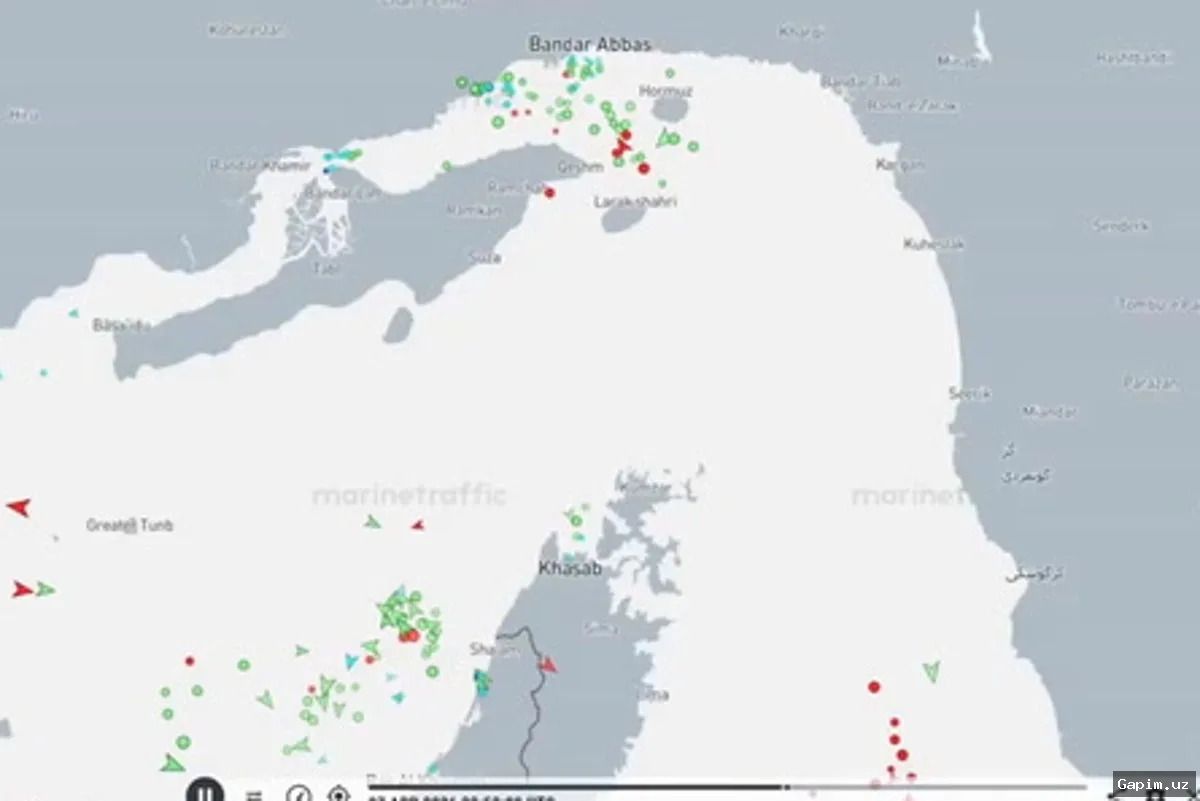
The strait, through which 20% of the world's oil and gas transits during peacetime, has been effectively closed since the conflict began, triggering a sharp spike in global oil and gas prices. Upon the ceasefire announcement, oil prices—which had remained above $110—dropped to $92, though this decline is viewed as precarious.
The two-week ceasefire period offers no certainty for tanker security, and large crude carriers, currently scattered thousands of miles away, will require weeks to return to the Gulf to load the millions of barrels accumulated in storage. Producers were forced to shut down wells, and restarting them is a costly and technically demanding process, complicating any rapid recovery in output.
Data from Kpler, analyzed by Al Jazeera, shows combined oil exports from Iraq, Kuwait, Oman, Qatar, Saudi Arabia, and the UAE plummeted from 469 million barrels in February to 263 million barrels in March—a 44% decline. Iraq's exports fell by 82%, while Kuwait and Qatar saw drops of 75% and 70%, respectively. Only Oman, with many of its ports located outside the Strait, managed a 16% increase in exports.
Economists and agricultural experts warn that the impact on grocery bills is likely to persist throughout 2026 and into 2027, with years required to repair energy infrastructure in the Gulf damaged during the hostilities. The price of Brent crude, which averaged around $65 per barrel before the conflict, peaked at nearly $128 during the war, exerting sustained negative pressure on economies worldwide.
Source: www.aljazeera.com