The European Union (EU) is considering a renewed focus on nuclear energy, particularly the deployment of Small Modular Reactors (SMRs), to address energy security concerns. European Commission President Ursula von der Leyen allegedly stated last month that Europe's turn away from nuclear power was a "strategic mistake." Brussels is now reportedly examining additional funding for nuclear, prioritizing SMR deployment in the bloc by the early 2030s. This move comes as energy supply shocks, including the Iran war and Russia's full-scale invasion of Ukraine, have exposed the vulnerability of many member states to external oil and gas dependencies, despite previous lessons.
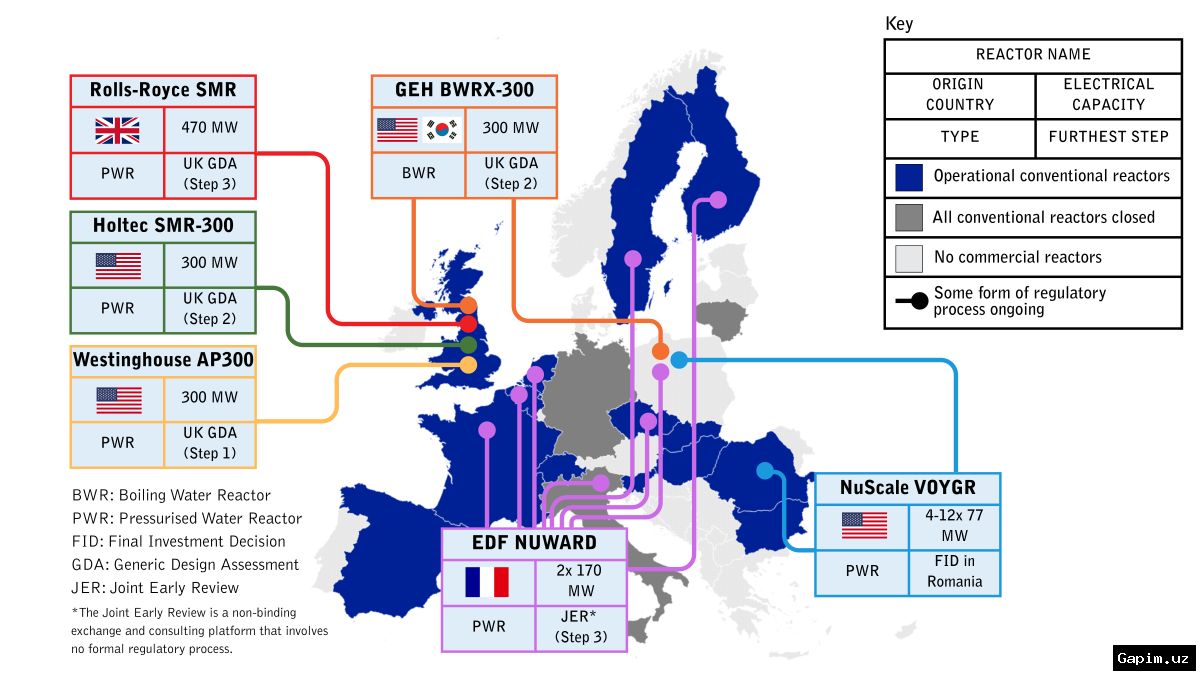
While supporters claim SMRs will be cheaper, faster, and safer to deploy than traditional reactors, critics label them a "costly distraction." Professor M. V. Ramana of the University of British Columbia argued that SMRs end up costing more per unit of power than large reactors "because their material and work requirements do not scale linearly with power capacity." Luke Haywood, head of Climate and Energy at the European Environmental Bureau (EEB), purportedly said that "pouring money into new nuclear, especially unproven SMRs, won't solve any of our energy problems," slamming nuclear as too slow, expensive, and risky.
Proponents of nuclear energy, including World Nuclear Association spokesperson Henry Preston, claim that nuclear remains unique in providing clean, secure, and scalable electricity. However, Haywood countered that nuclear is a poor fit for a renewables-based system, noting that modern energy systems need flexibility, not reactors that must run constantly to be economical. Ramana echoed this, emphasizing investment in demand-side management, battery storage, and flexible generation as more promising pathways.
Safety persists as a concern for all nuclear technologies, including SMRs. Sara Beck, head of the Safety Research Division at Germany's GRS expert organization, stated that "general statements about the safety of SMRs are not possible" due to substantial design differences. She pointed out that novel materials and additional applications, such as hydrogen production, might introduce new risks like chemical effects and explosion hazards. Ramana added that all nuclear plants, including SMRs, can undergo accidents leading to radioactive contamination, and a safe method for handling waste remains elusive.
Malwina Qvist, director of the Nuclear Energy Program at the Clean Air Task Force (CATF), acknowledged that SMRs are an unproven technology in Western markets but believes they have a role amid rising demand for carbon-free, reliable energy. She stressed the need for a well-executed EU SMR program focusing on standardized designs and coordinated procurement to create a competitive export platform, warning that failure to do so could cede ground to geopolitical rivals. As the EU grapples with energy security strains, the nuclear debate highlights ongoing challenges in balancing climate goals with economic and safety concerns.
Source: www.dw.com