A retrospective exhibition of Japanese contemporary artist Yayoi Kusama has opened at the Museum Ludwig in Cologne, showcasing her iconic "Infinity Rooms" and polka-dot sculptures. At 95, Kusama's work remains highly relevant, delving into themes of mental health, societal constraints, and artistic commercialization. The exhibition will run until August 2, 2026.
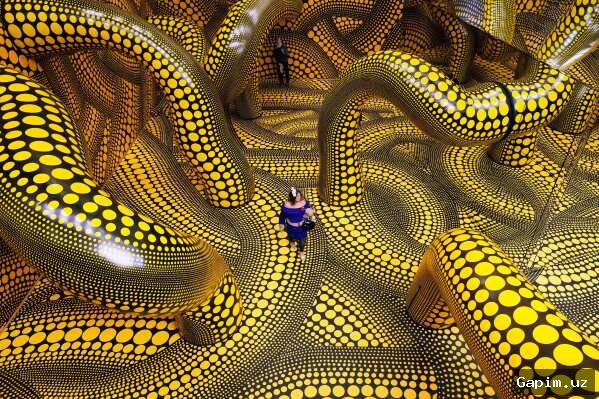
Kusama began experiencing hallucinations in childhood, which she attributes to her mother's coldness and the rigid expectations of post-war Japan. She has channeled these visions into her art, stating, "My artwork is an expression of my life, particularly of my mental disease." Stephan Diederich, curator of the exhibition, noted that her openness about mental health was extraordinary for its time.
In 1958, Kusama moved to New York, joining the avant-garde scene with her "Infinity Net" paintings and phallic soft sculptures. However, she faced commercial disadvantages compared to male peers like Andy Warhol, leading to a suicide attempt. Her sculpture "Traveling Life" (1964) critiques gender pay gaps, using phallic motifs to process her "fear of sex as something dirty."
During the 1960s, Kusama staged "happenings" as protests against the Vietnam War, often involving nudity and sexual themes to challenge societal norms. In 1966, she presented "Narcissus Garden" at the Venice Biennale without an invitation, selling mirrored spheres to criticize art world commercialization. She returned in 1993 as Japan's official representative.
Today, Kusama resides in a psychiatric clinic in Tokyo, continuing treatment while producing art exhibited globally. Her works command millions at auction, and exhibitions like Tate Modern's in 2022 sell out rapidly. She reflects, "I create art for the healing of all mankind," underscoring her enduring impact on contemporary art.
Source: www.dw.com