US Vice President JD Vance, during a visit to Budapest, echoed Hungarian government accusations that Ukraine is attempting to influence the upcoming parliamentary elections. Vance labeled Ukrainian Prime Minister Denys Shmyhal's comments about Hungarian Prime Minister Viktor Orbán as "scandalous" and condemned them as unacceptable in international diplomacy, while also criticizing what he described as double standards in Western media coverage.
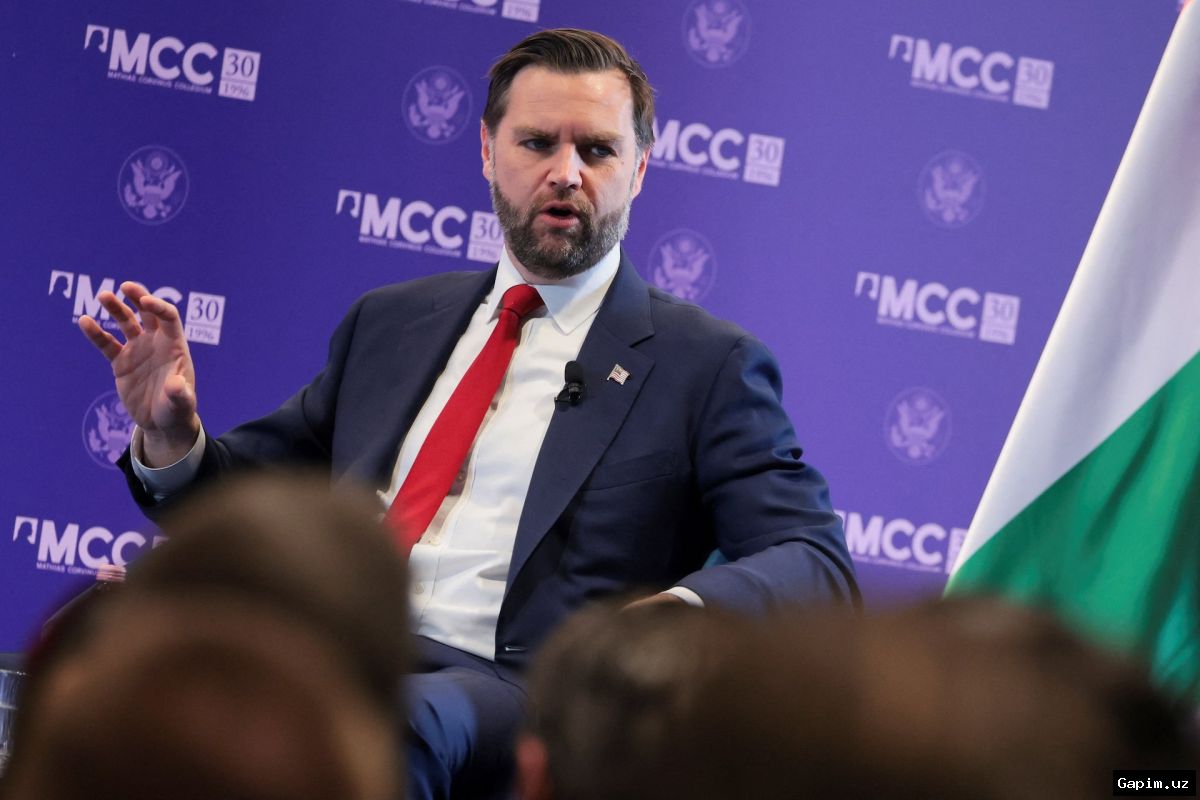
Speaking at a Hungarian university, Vance claimed that Ukraine had deliberately shut down the Druzhba pipeline carrying Russian oil to cause economic hardship for Hungarians and sway the election outcome. He drew comparisons to alleged Russian interference in the 2016 US presidential election, arguing that Western media outlets focus disproportionately on Moscow while ignoring similar actions by Kyiv and the European Union. Vance purportedly stated, "What's not foreign influence is when the Ukrainians shut down pipelines, causing suffering among the Hungarian people in an effort to influence an election."
The pipeline dispute has escalated tensions, with Hungary blocking a €90 billion EU loan to Ukraine in retaliation. Ukrainian President Volodymyr Zelenskyy responded sharply, suggesting he could hand over those responsible to the Ukrainian army to "speak with him in their own language." Vance denounced this as a threat from a foreign leader against an allied nation, highlighting the deepening rift between Budapest and Kyiv amid the ongoing conflict with Russia.
Vance further lambasted the EU regime, accusing it of meddling in Hungarian domestic affairs by threatening to withhold funds over Budapest's border protection policies. He alleged that such actions constitute foreign influence but are overlooked by the media, unlike the scrutiny given to Russia. This criticism comes as Hungary faces a contentious election on April 12, with Orbán's far-right government positioning itself against both Ukrainian and EU pressures.
The European Commission reportedly plans to use diplomatic channels to express concerns to US counterparts following Vance's remarks, reflecting broader friction between Brussels and Washington over handling of the Ukraine crisis. The incident underscores the complex geopolitical dynamics in Central Europe, where election campaigns are increasingly intertwined with international disputes and energy security issues.
Source: www.aljazeera.com