A new exhibition titled "Amazonia. Indigenous Worlds" in Bonn is re-evaluating long-standing tropes about the Amazon rainforest and its indigenous peoples. Co-curated by anthropologist Leandro Varison and Brazilian Indigenous artist Denilson Baniwa, the exhibition presents Amazonia as a cultural region shaped by dense networks of exchange, social complexity, and relationships that transcend human and "other-than-human" worlds.
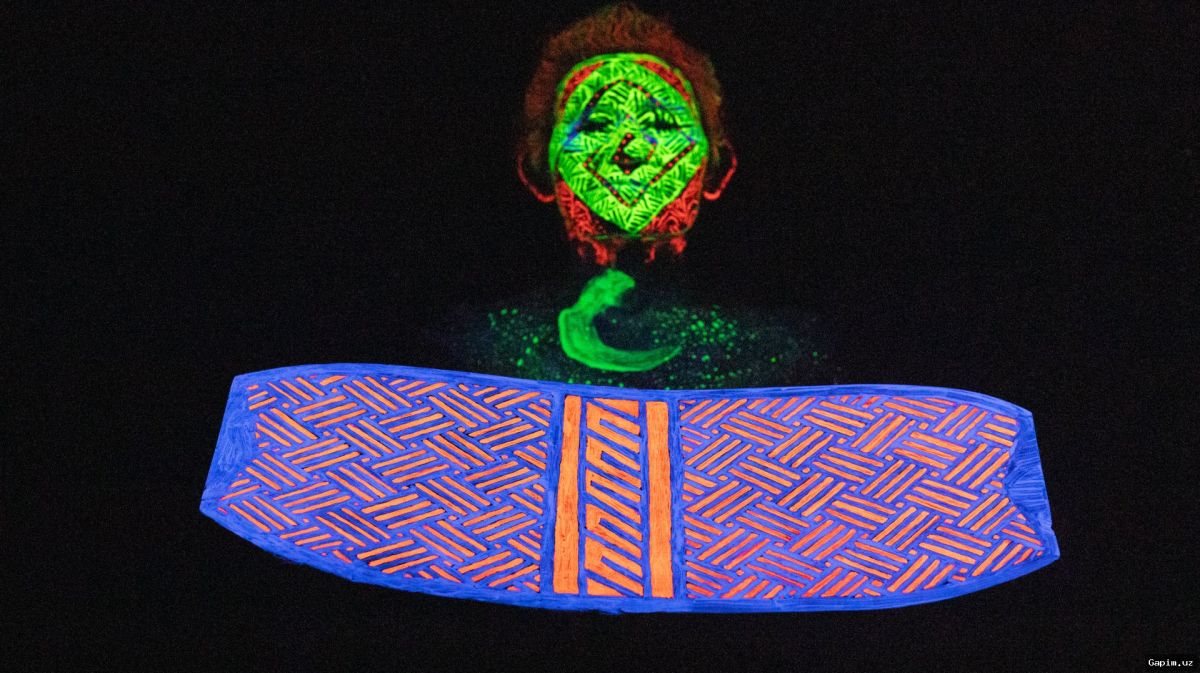
The exhibition counters the stereotype of indigenous peoples as static figures outside of history, instead showcasing them as active participants in a living culture that interprets history on its own terms. Varison emphasized in an interview with DW that the use of mobile phones or social networks by indigenous communities does not signify a "loss of culture" but rather adaptation in contemporary contexts.
Key artworks, such as Jaider Esbell's "Carta ao Velho Mundo" (2018–2019) and Denilson Baniwa's "Cacadores de Ficcoes Coloniais" (2021), critically engage with European representations and colonial narratives. These pieces challenge the notion of a "universal" art history and expose how colonial ideas have shaped perceptions of indigenous peoples.
Research highlighted in the exhibition reveals that an estimated several million people inhabited Amazonia before colonization, developing soil-enrichment practices like "terra preta" and domesticating tree species such as Brazil nut and cacao millennia before European arrival. These findings disrupt the outdated narrative of an untouched wilderness.
The exhibition also explores how many indigenous communities view time and history as an active present, maintained through ongoing relationships with ancestors and the living world. "Amazonia. Indigenous Worlds" runs through August 9, 2026.
Source: www.dw.com