As the United States-Israeli war on Iran enters its fourth week, the conflict appears to be escalating beyond President Donald Trump’s control. The Iranian government has endured the killings of its top political and military leaders and continues to launch retaliatory attacks on Israel and Gulf countries despite weeks of sustained airstrikes. Moreover, Tehran has imposed a de facto blockade of the Strait of Hormuz, a critical chokepoint for one-fifth of global oil and liquefied natural gas supplies, sending oil prices soaring and risking a global recession. Analysts assert that Trump launched the war without clear objectives and misjudged Tehran’s response, leading to an expansion of hostilities across the Middle East.
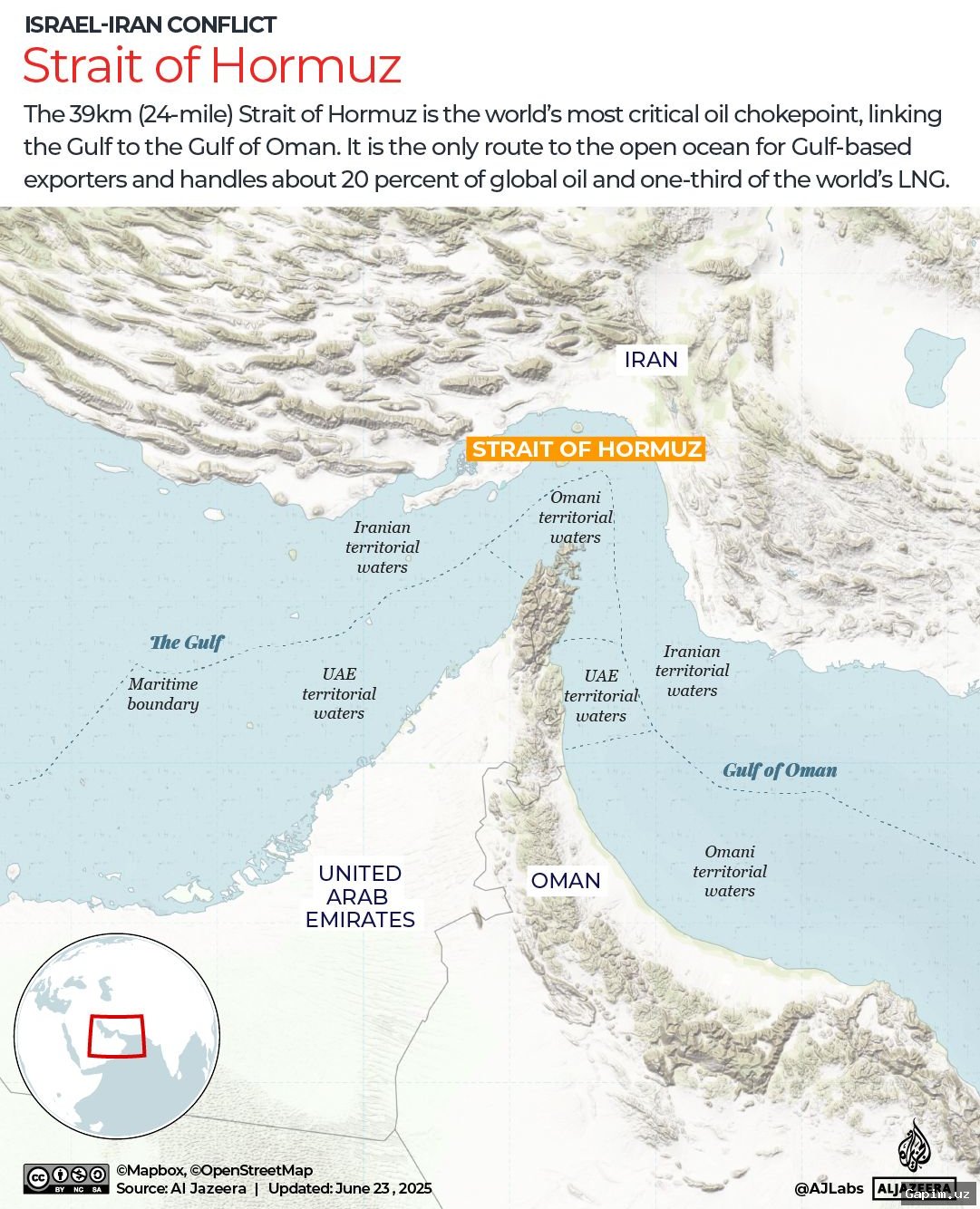
Trump’s handling of the situation has been marked by incoherence. On Saturday, he escalated tensions by threatening to “obliterate” Iran’s power plants if Tehran does not reopen the Strait of Hormuz within 48 hours, coming just a day after he claimed the US was “winding down” military operations in Iran. Both Trump and Israeli Prime Minister Benjamin Netanyahu have repeatedly alleged that Iranian military capabilities have been “completely destroyed,” even as Tehran continues its retaliatory strikes against Israel and regional targets. US military officials admitted to heavy bombardments of Iran’s coast but acknowledged failure to curb Tehran’s ability to disrupt the strategic strait.
Amid Trump’s contradictory statements, his administration announced the deployment of three additional warships to the Middle East with about 2,500 more Marines. The US military revealed that approximately 50,000 personnel are already engaged in the war against Iran. Analysts note that the shifting goalposts in the Iran conflict highlight the policy limitations of the current Trump administration and, to some extent, its strategy of keeping off-ramps available. Zeidon Alkinani, a Middle East analyst at the Arab Perspectives Institute, observed that while initial hostilities had clearer targets, the response now seems more chaotic, with strikes on energy facilities potentially triggering further escalation.
Paolo von Schirach, president of the Global Policy Institute, remarked that Trump changes his mind “very quickly,” making it difficult to predict his next move in the war on Iran. He expressed uncertainty about what “tools” Trump possesses to end the conflict, noting the disconnect between messages of de-escalation and threats of severe retaliation. Considering Iran’s size and population, von Schirach predicted that the US might need up to half a million troops if Trump “wants to take over Iran,” underscoring the profound challenges and potential costs for the US regime in this protracted engagement.
Source: www.aljazeera.com