The Supreme Court of Canada on Monday commenced a four-day hearing for one of the most consequential constitutional cases in the country's recent history. At the center of the proceedings is Quebec's so-called 'secularism law', known as Bill 21 – legislation enacted in 2019 that prohibits certain public sector workers from wearing visible religious symbols while on duty. The law bars numerous public sector employees, including teachers, prosecutors, police officers, and judges, from wearing religious items such as hijabs, turbans, kippahs, and other visible expressions of faith during work hours.
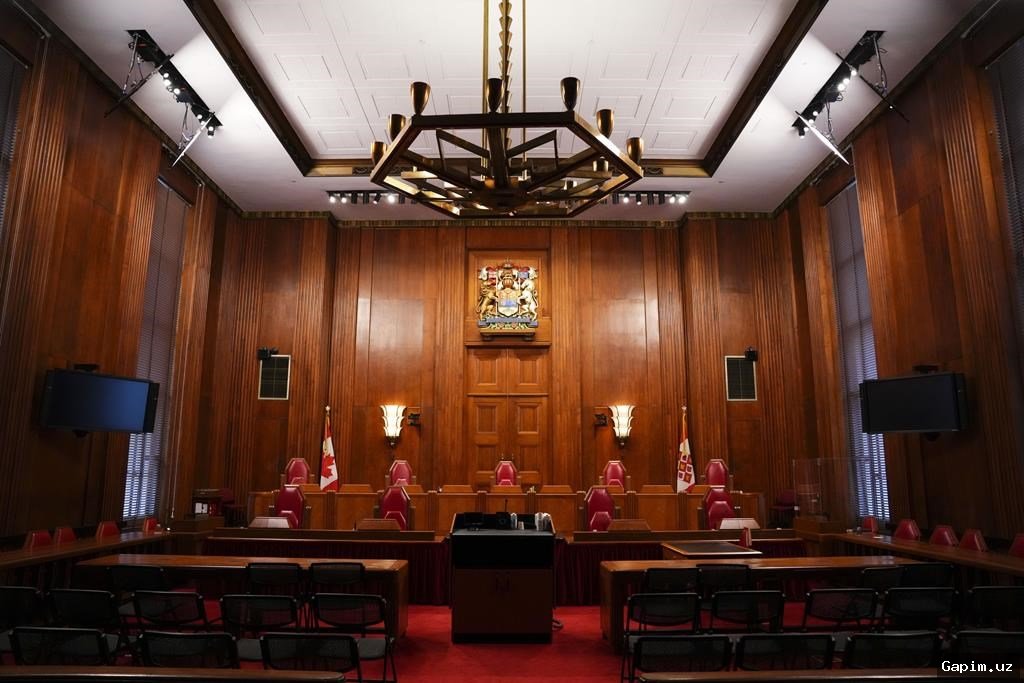
The case raises fundamental questions about religious freedom, equality, and the limits of state power within a constitutional democracy. A particularly contentious aspect is that to secure the bill's passage, Quebec's government invoked the 'notwithstanding clause', a unique provision in Canadian law that permits the temporary override of fundamental rights and freedoms. No other constitutional democracy globally possesses a similar blanket mechanism for suspending core rights and freedoms, casting doubt on the law's compatibility with democratic norms.
The Quebec government claims the law is necessary to preserve state religious neutrality. However, Bill 21 arguably achieves the opposite: by compelling individuals to choose between their profession and religious identity, the Quebec authorities are not maintaining neutrality but effectively excluding people of faith from public sector employment. Evidence presented in court indicates the law impacts adherents of multiple religions, including Jewish men wearing kippahs and Sikh men and women wearing turbans, but its effects fall disproportionately on Muslim women who wear the hijab. For many hijab-wearing Muslim women, careers in teaching and other public services have been effectively barred.
The National Council of Canadian Muslims and the Canadian Civil Liberties Association launched the constitutional challenge against Bill 21. The Supreme Court must now consider the implications and potential limitations of allowing governments to circumvent rights protections through pre-emptive use of constitutional override powers. The court's ruling will help determine whether constitutional rights in Canada remain meaningful constraints on government authority or can be suspended whenever politically expedient, a decision with profound implications for the rule of law.
These issues extend beyond Canada's borders. Across Europe and other regions, debates on secularism have increasingly focused on restrictions targeting religious expression, often disproportionately affecting Muslim women. Canada frequently prides itself on being a model of multicultural democracy that accommodates diversity. Bill 21 challenges that reputation by testing whether neutrality can coexist with policies that effectively exclude visibly religious individuals from public service. True secularism does not demand the erasure of religious identity, and a neutral state should not require citizens to shed visible expressions of belief to participate fully in public life. The Supreme Court's decision will send a significant signal about whether liberal democracies are willing to uphold their commitments to freedom and equality in an era of growing global tensions over pluralism and minority rights.
Source: www.aljazeera.com