From Amsterdam to Sydney, cities are banning fossil fuel advertisements, drawing on tactics once used to curb smoking. The goal is to challenge the messaging that has normalized carbon-intensive lifestyles for decades.
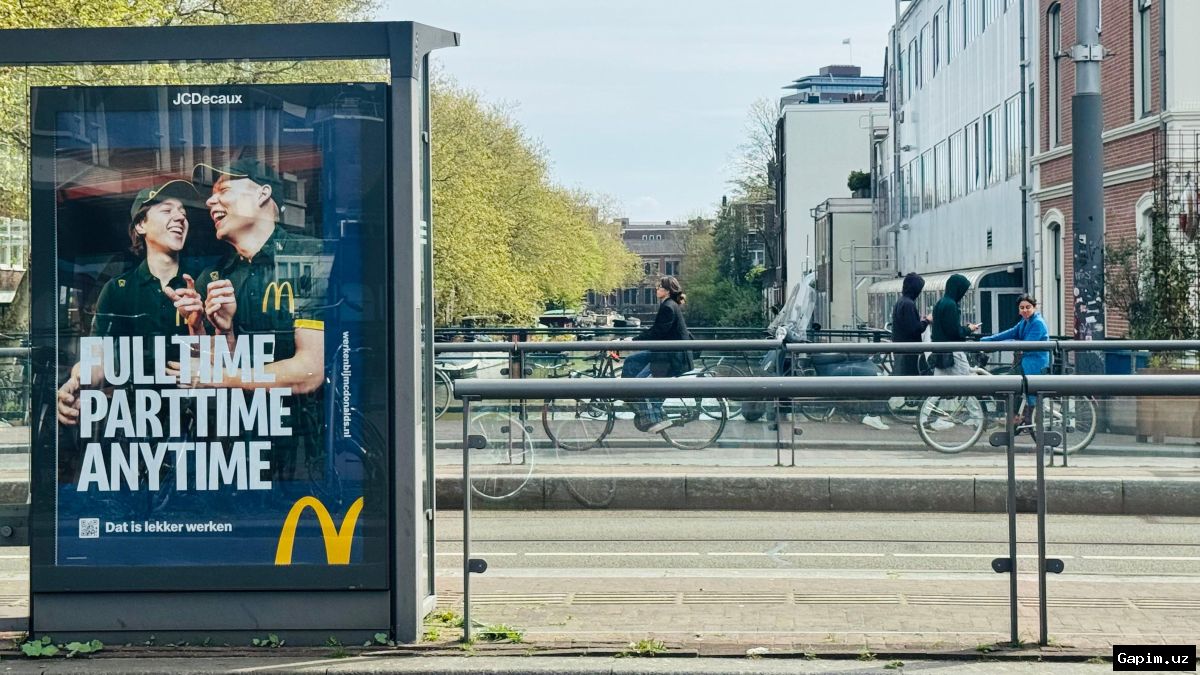
Reint Jan Renes, a behavioral psychologist at Amsterdam University of Applied Sciences, says the ads for cars, burgers, and other high-carbon products clash with the city's ambitious climate goal of becoming carbon neutral by 2050. "The moment you take your climate policy seriously, you should restrict promotional materials that normalize high-carbon lifestyles," he told DW.
Amsterdam became the first capital city to ban ads for meat and fossil fuel products, including flights, cruises, and combustion engine cars. Stockholm will follow this summer, and over 50 cities worldwide, including Sydney, The Hague, and Florence, have similar bans. France was the first country to restrict fossil fuel advertising nationally in 2022; Spain may be next.
A Greenpeace Netherlands and New Weather Institute report estimated that car and airline ads in the EU in 2019 could be responsible for up to 122 million tons of greenhouse gas emissions — more than Belgium's annual emissions. The logic behind the ban is to reduce the promotion of carbon-intensive products and shift attitudes.
The approach mirrors successful tobacco advertising bans, which reduced smoking odds by 20% and first-time smoking risk by 37%. Governments apply the same logic to fossil fuel ads, as burning oil, coal, and gas harms climate and public health, with air pollution linked to millions of premature deaths yearly.
However, Jan Willem Bolderdijk, a sustainability and marketing professor at the University of Amsterdam, warns that bans alone won't change behavior overnight. "It's taken decades for these consumption norms to emerge," he said, adding that a package of interventions is needed.
Critics include businesses and conservative politicians. Dutch travel industry groups sued The Hague over its 2024 ban, but a court upheld it, ruling that commercial advertising is not protected by free speech, and climate goals justify trade restrictions.
The Amsterdam ban applies only to city-controlled infrastructure (bus shelters, metro screens) and excludes private property and digital ads. Experts say bans are just one step; the IPCC estimates demand-side changes could cut global emissions 40–70% by 2050, but require supportive policies, infrastructure, and technology.
Source: www.dw.com