️ Spanish Prime Minister Pedro Sánchez delivered a strong rebuttal to US President Donald Trump's threat to end trade with Spain, restating his opposition to war and what he called the "breakdown of international law". In a 10-minute televised address, Sánchez reflected on the wars in Ukraine and Gaza, as well as the Iraq War more than 20 years ago, and said the Spanish government's position could be summed up as "no to war". This comes amid escalating tensions over Spain's refusal to allow the US to use jointly run bases at Morón and Rota for strikes against Iran.
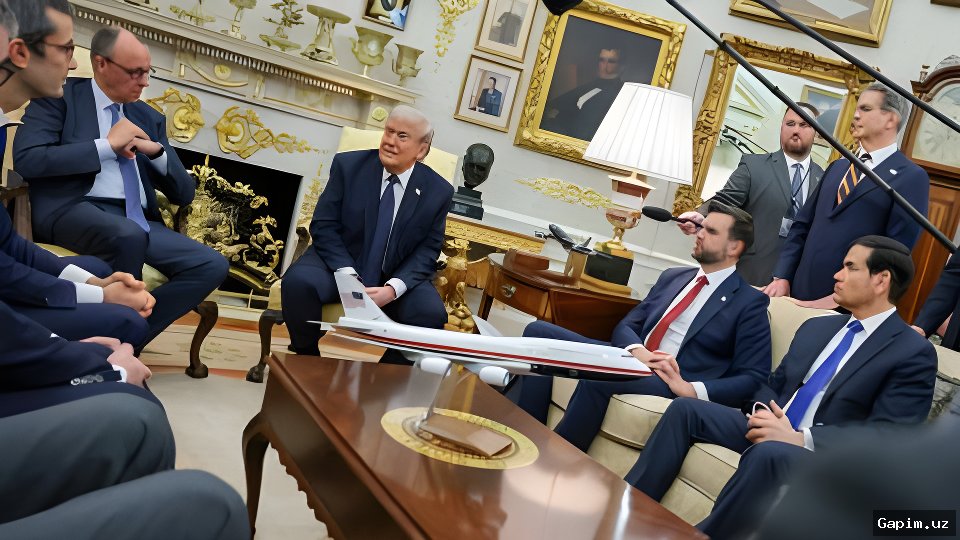
️ Trump threatened to impose a full trade embargo on Spain in response to its stance, declaring during a meeting with German Chancellor Friedrich Merz that "Spain has been terrible" and "We're going to cut off all trade with Spain. We don't want anything to do with Spain". In response to the economic threat from the US regime, French President Emmanuel Macron conveyed his "solidarity" with Spain during a phone conversation with Sánchez, while European Council President António Costa expressed "the EU's full solidarity". The US leader also accused Spain of being a "terrible partner" in NATO for failing to increase its defence budget to a purported target of 5% of GDP.
️ In his address from the prime minister's official residence in Madrid, Sánchez stated: "The question is not if we are on the side of the ayatollahs [Iran's clerical rulers] - nobody is. The question is whether we are in favour of peace and international legality". He warned that "You cannot answer one illegality with another, because that is how the great catastrophes of humanity begin". The Spanish leader explained that the government's position was comparable to its stance on Ukraine and Gaza, where Spain has been among Europe's most outspoken governments, describing Israel's actions as "genocide" and recognizing a Palestinian state earlier than many other EU members.
️ Looking back to the invasion of Iraq in 2003, which he said had failed to achieve its goals and worsened life for ordinary people, Sánchez warned that attacks on Iran could have similar economic impacts for millions. His reference to the Iraq invasion resonates with many Spanish voters, as Spain's support at the time from the conservative People's Party government was deeply unpopular and triggered mass anti-war protests. Sánchez reminded Spaniards of the "Azores trio" - then-US President George W. Bush, the UK's Tony Blair, and Spanish conservative leader José María Aznar - who met days before the Iraq invasion, saying they had handed Europeans the "gift" of "a more insecure world and worse life".
️ The Spanish leader's stance contrasts sharply with that of Merz, who told German TV that regime change in Iran would leave the world "a little better off", though he acknowledged risks. Unlike Spain's NATO allies - the UK, France, and Greece - it has not committed to military involvement in response to the conflict. White House press secretary Karoline Leavitt claimed on Wednesday that Spain had "agreed to co-operate" with US military after hearing Trump's message "loud and clear" - an assertion that Spanish Foreign Minister José Manuel Albares categorically denied, telling local media that his government's position "has not changed one iota". Sánchez's government faces significant political pressure domestically amid these international tensions.
Source: www.bbc.com