According to a Truth Social post by US President Donald Trump last night, the ceasefire between Iran, the US, and Israel, which was due to expire on Wednesday, persists for now. However, this peace remains fragile and unstable, with tensions simmering in one of the world's most critical maritime chokepoints.
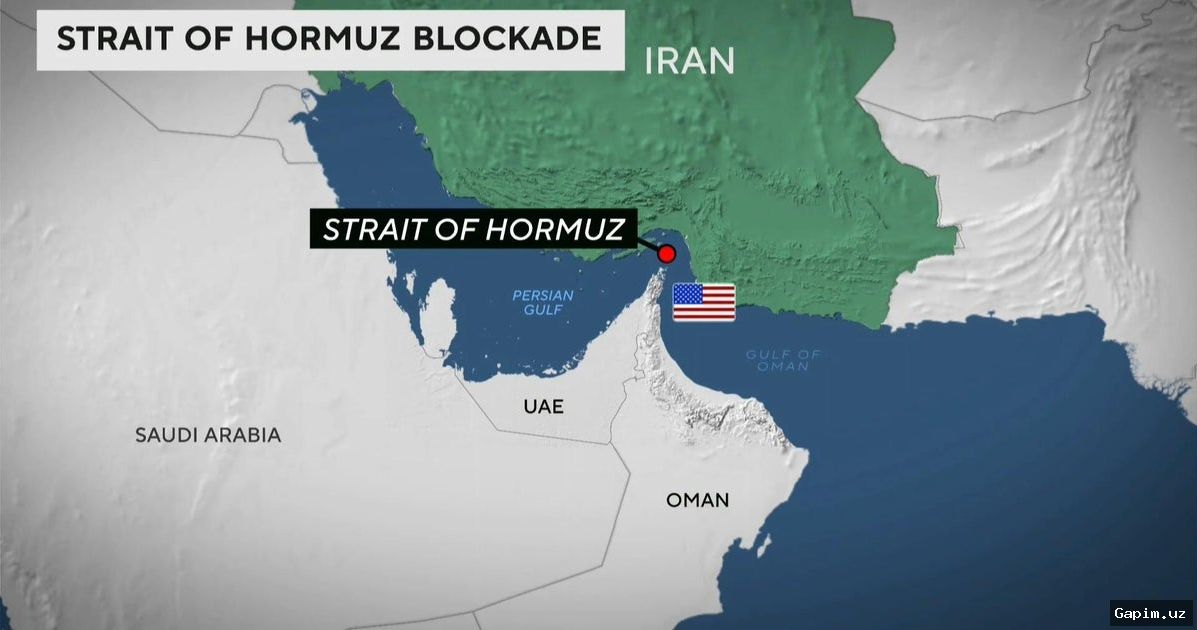
Instead of open combat, a 'war of blockades' has erupted in the Strait of Hormuz, with both sides allegedly using force to intercept and seize commercial vessels. The mood in the region is described as combustible, and it would be unwise to bet against events spiraling out of control, highlighting the precarious nature of the current standoff.
Meanwhile, Islamabad continues to wait for Iranian and American representatives to arrive for peace talks. Parts of the city remain sealed off, signs are still up, and the hotel designated for negotiations stands empty. After days of fevered anticipation, the atmosphere has shifted, with the gloomy realization that an opportunity for Pakistan to prove itself on the international stage and broker any deal between mortal enemies may have slipped away, at least temporarily.
Pakistan has not given up. Prime Minister Shehbaz Sharif, who has invested considerable diplomatic capital in bringing the parties together, posted on social media that Pakistan would "continue its earnest efforts for a negotiated settlement of the conflict." Donald Trump has purportedly told at least one journalist that a deal is still possible in the coming days, though it is unclear whether this reflects reality or the impatience of a leader anxious to remove Iran from his agenda ahead of high-profile international engagements.
Iran has dismissed the US president's suggestion that he is giving Tehran time to develop a "unified position." It seems unlikely that the Iranian government, already bruised by the conflict, will break the ceasefire and invite further aerial punishment. The reluctance of the Iranian delegation to fly to Islamabad raises questions, with Iran accusing the US of a "breach of commitments" and citing Washington's "contradictory behavior" as a key obstacle.
Donald Trump's wildly conflicting public pronouncements—threatening apocalyptic punishment one moment and offering an olive branch the next, while claiming Iran has already made significant concessions—have muddied the diplomatic waters. Iran continues to complain that it has entered negotiations twice in the past year, only to be attacked by Israel and the United States, underscoring deep-seated mistrust.
In his Truth Social post announcing the ceasefire extension, Trump notably lacked his usual bombast and spoke of an Iranian regime that is "seriously fractured, not unexpectedly." For a leader who has boasted about achieving regime change in Iran, this may be an implicit admission that the US regime is struggling to identify a coherent counterpart in Tehran. The concept of "regime fracture" has arguably made diplomacy with Iran—never an easy endeavor—even more difficult, fueling debates among experts about who is truly in charge following significant leadership losses.
Source: www.bbc.com