United States President Donald Trump has announced an extension of the ceasefire with Iran, stating that US military forces will hold off a planned attack to allow Tehran more time to present a proposal to end the war. Trump claimed the move came at the request of Pakistani mediators, with the truce originally set to expire on Wednesday.
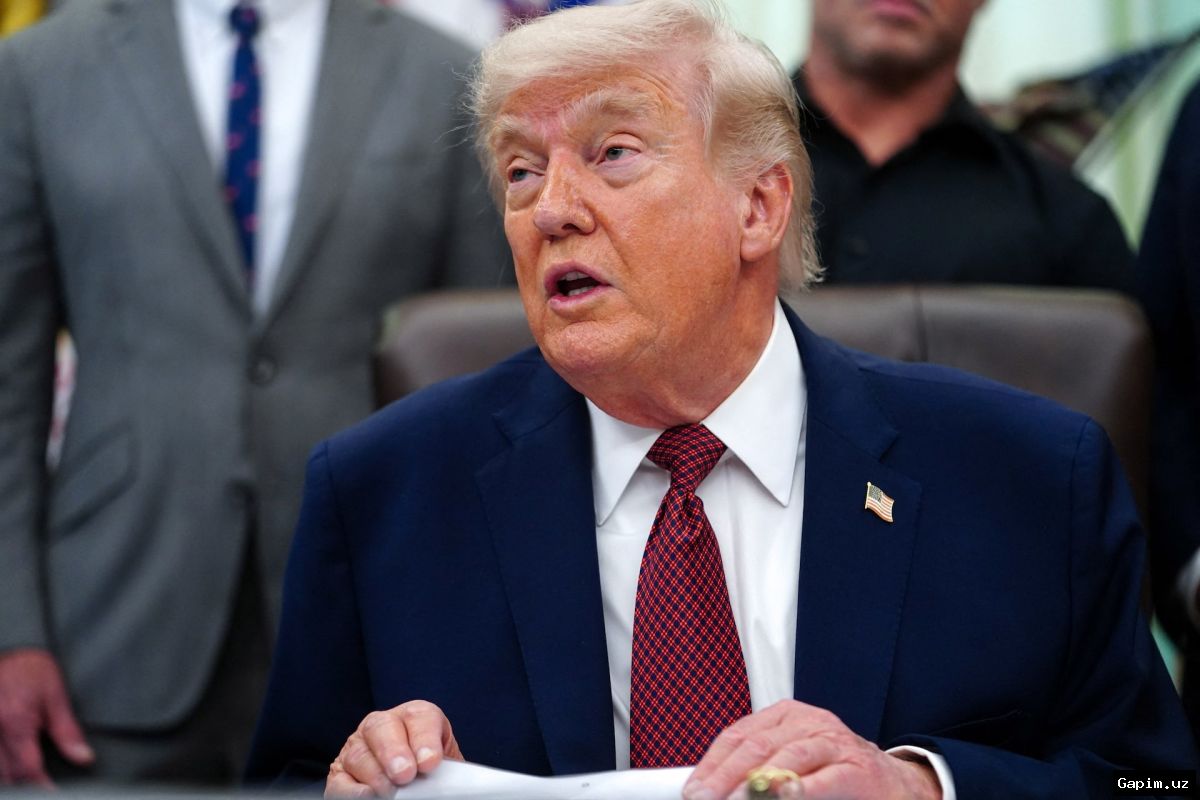
In a social media post, the US president wrote: "I have therefore directed our Military to continue the Blockade and, in all other respects, remain ready and able, and will therefore extend the Ceasefire until such time as their proposal is submitted, and discussions are concluded, one way or the other". Iranian authorities did not issue an immediate response to Trump's statement, with the semi-official Tasnim news agency reporting that Tehran's position will be "officially announced later".
Hours before his social media post, Trump had allegedly opposed extending the truce, warning Iran that time was running out. This abrupt reversal occurred as Iranian officials condemned the US naval blockade on the country's ports, casting doubt on their participation in talks scheduled for Wednesday in Pakistan.
Iranian Foreign Minister Abbas Araghchi called the blockade of Iranian ports an "act of war" and a violation of the ceasefire. He wrote on X: "Iran knows how to neutralize restrictions, how to defend its interests, and how to resist bullying". Trump, however, suggested that disagreements within the leadership in Tehran are slowing diplomatic efforts.
While the US leader purportedly claimed serious fractures in the Iranian leadership, Al Jazeera correspondent Ali Hashem reported from Tehran that this is a "misconception". Hashem stated that since the assassination of former Supreme Leader Ayatollah Ali Khamenei, Iran's leadership has been very unified, as new leader Mojtaba Khamenei and his inner circle are a team that has worked together for the past 15 years.
Iran and the US agreed to a two-week ceasefire on April 8, but the deal has been marred by disagreements over the inclusion of Lebanon in the truce and control of the Strait of Hormuz, leading to persistent tensions. To end the war, the US regime is seeking a complete shutdown of Iran's nuclear program as well as limits on the country's missile production and support for regional allies, including Hezbollah and Hamas. Tehran, however, has insisted on its right to enrich uranium domestically as part of a civilian nuclear program and ruled out concessions over its conventional military capabilities and regional policies.
Source: www.aljazeera.com