Russian police have raided the country's leading publishing house, Eksmo, on suspicion of disseminating 'homosexual propaganda', according to local media reports. Authorities reportedly seized thousands of books on Tuesday and took the company's chief executive, Yevgeny Kapiev, in for questioning. The raid appears to be part of Moscow's pivot toward hardline social conservatism, which is accompanied by repressive laws, a clampdown on political life, and an aggressive foreign policy.
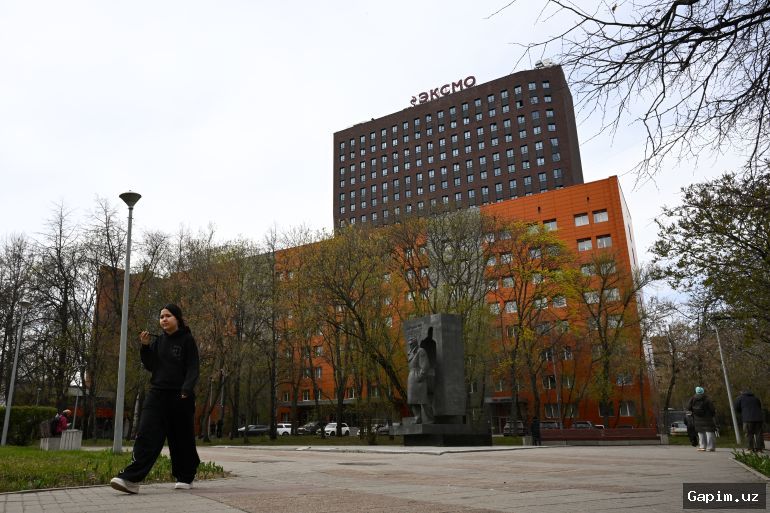
Kapiev was targeted as part of a 'criminal case on extremism' related to the publication of books 'dealing with LGBT themes', Eksmo communications director Yekaterina Kozhanova told the AFP news agency. She added that the firm's finance director, head of distribution, and deputy commercial director were also interrogated. The broadcaster Ren-TV reported that Eksmo is suspected of unofficially marketing books, including novels, that promote 'gay propaganda' to Russian youth.
An investigation into Eksmo was opened last year when authorities claimed that 'LGBT propaganda' had been 'detected' in books published by its Popcorn Books subsidiary, leading to the arrest of several staff members. Books showing approval of same-sex relations have been banned in Russia for over a decade, and the law has recently been tightened, requiring publishers to remove publications and destroy entire editions if they depict same-sex relationships.
The persecution of LGBTQ individuals, organizations, and communities has intensified in the past decade or so as the Kremlin heralds 'traditional values'. This drive has included a crackdown on films, books, art, and culture, among other areas of social life. Cultural producers face significant pressure even when focusing on giants of Russian culture; for example, biographies of Mikhail Bulgakov, author of 'The Master and Margarita', and the poet, actor, and singer Vladimir Vysotsky must be marked with warning labels because they are seen as promoting drug-taking.
The ultraconservative social turn has accelerated since Russia launched its full-scale invasion of Ukraine in February 2022. In 2023, Russia's Supreme Court ruled that LGBTQ activists should be designated as 'extremists' and banned activities of the 'international LGBTQ movement'. Courts have issued fines and jail sentences to people displaying LGBTQ 'symbols', such as clothes, jewellery, or posters featuring the rainbow flag.
Out of 49 European countries, the Rainbow Europe organization ranked Russia third from bottom in terms of tolerance of LGBTQ people, highlighting the broader context of restrictive policies and societal friction in the region.
Source: www.aljazeera.com