Lebanon's healthcare system is facing severe strain despite a temporary ceasefire between Israel and Hezbollah, with thousands of displaced pregnant women struggling to access medical services. Nour, a 32-year-old who fled her home in Beirut, focused on staying calm during her escape. She told DW, "I was breathing slowly and holding my belly the whole time," describing the night she escaped intense shelling in her neighborhood while four months pregnant—just days before a 10-day ceasefire took effect on April 17.
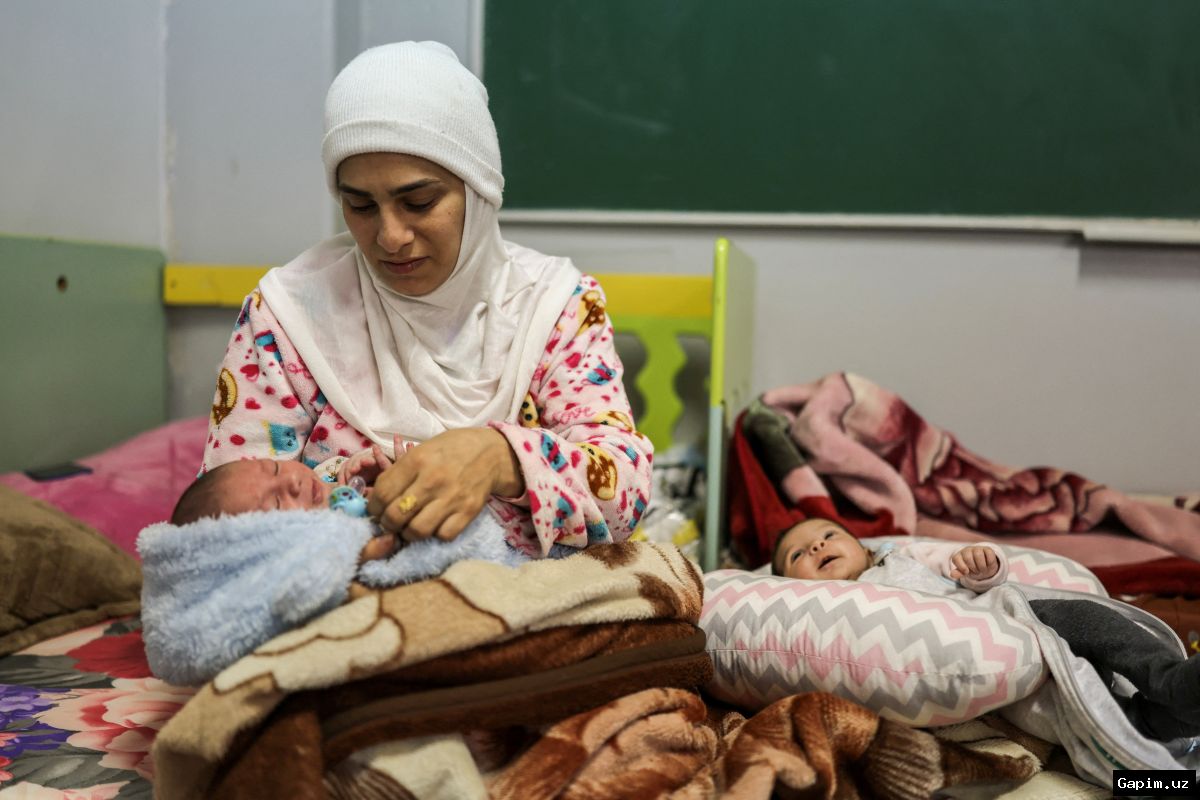
Nour now lives in a collective shelter, one of hundreds set up across the country, where conditions are difficult: lack of privacy and inadequate sanitation increase health risks, especially for expectant mothers. Lebanese health authorities report that Israeli airstrikes and a limited ground invasion since March have killed around 2,300 people, injured over 7,000, and displaced approximately 1.2 million. The majority of the displaced have yet to return home, with uncertainty looming as the ceasefire is set to expire in a few days.
Nour's situation is far from unique. Among the displaced are thousands of women facing pregnancy under extreme conditions, and aid agencies warn the impact on women is especially severe. Anandita Philipose, the Lebanon representative of the United Nations Population Fund (UNFPA), stated, "The situation for women and girls in Lebanon is catastrophic." She noted that UNFPA estimates over 13,500 pregnant women among the 1.2 million displaced since March 2, with 1,500 expected to give birth within the next month.
Access to maternal care is deteriorating rapidly, with facilities damaged and resources stretched thin. The World Health Organization reported this week that at least 51 primary healthcare centers have closed amid the fighting, which has also killed dozens of medical workers. Hospitals that remain operational are struggling to cope. Zeina Khouri Stevens, vice president for health services at Beirut's LAU Medical Center, said, "We cannot bring in enough supplies and have to ration medication in case the conflict lasts more than three months."
Conditions are even more precarious in southern Lebanon, where access to medical facilities is severely restricted. UNFPA estimates around 1,700 pregnant women are among roughly 150,000 people cut off from the rest of the country. Philipose emphasized, "These women are at grave risk." Aid efforts are ongoing but limited by insecurity and funding shortages; where possible, mobile medical units and reproductive health kits have been deployed.
Lebanon's once-strong healthcare system was already under severe pressure before the latest escalation, strained by the massive influx of Syrian refugees since 2013 and an economic collapse in late 2019. Jade Khalife, a Beirut-based public health physician and epidemiologist, highlighted that despite efforts like the 'Vision 2030' national health strategy launched in January 2023, the system remains highly vulnerable. Services are unevenly distributed, with private hospitals providing most care and public facilities serving lower-income patients, barriers that have intensified during the current conflict.
Source: www.dw.com