The US technology titan Apple announced a major leadership shift following its 50th anniversary. CEO Tim Cook will step down in September, to be succeeded by top hardware engineer John Ternus. Cook is credited with transforming Apple from a $350 billion company to a valuation exceeding $4 trillion during his tenure. Ternus, who joined Apple in 2001, has been instrumental in developing core products like the iPhone, iPad, and Mac, as well as newer categories including the Apple Watch and AirPods.
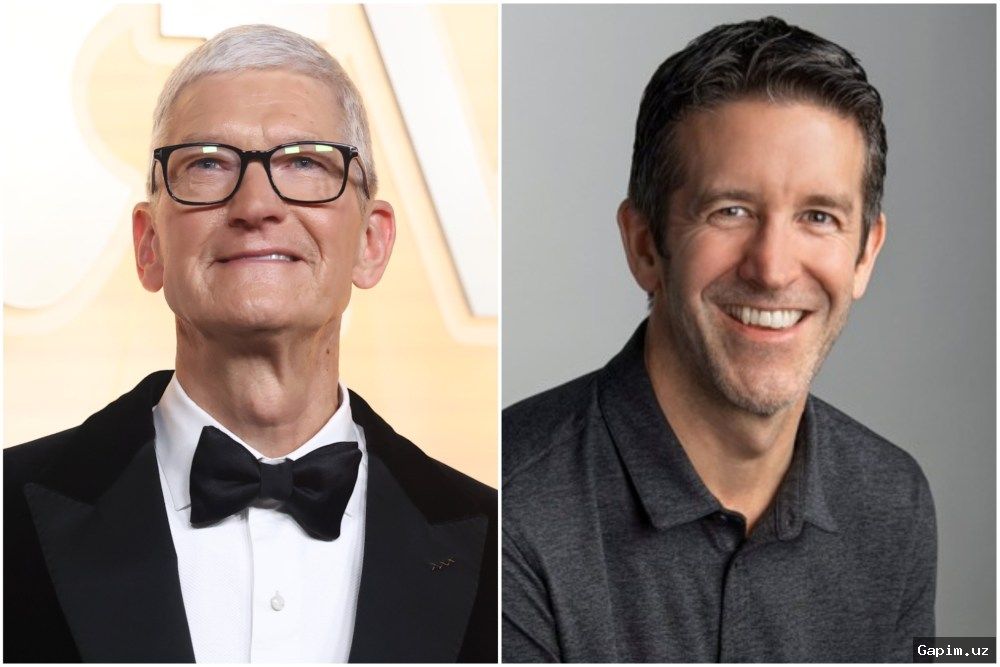
The new leader faces significant challenges in steering the $4 trillion company. While Apple recently reclaimed its position as the world’s top-selling smartphone brand with the iPhone, it lags behind rivals in artificial intelligence (AI). Competitors such as Google, Microsoft, and OpenAI have rolled out more advanced generative AI chatbots, whereas upgrades to Apple’s own AI platform, Apple Intelligence, and the Siri voice assistant have faced delays. Ternus must prioritize AI strategy, as investors are keenly watching how he will monetize Apple’s 2.5 billion iOS devices through this technology.
Apple also contends with intense competition, regulatory pressures, and supply-chain issues. In China, local rivals like Huawei and Xiaomi are gaining ground with attractive high-end phones, slowing iPhone sales in a key market. Additionally, regulatory scrutiny in the United States and Europe could force changes to the App Store and payment systems, potentially impacting services revenue. Amid geopolitical tensions, Apple is diversifying its supply chain away from China to India and Vietnam, though this has raised production costs.
Ternus’s leadership will be crucial for Apple’s future trajectory. His hardware engineering background and advocacy for AI could drive innovation in new product categories, such as smart glasses or robotics. However, he must maintain Cook’s relationships in China to safeguard sales and manufacturing. Analysts view Ternus as a “credible successor,” but emphasize that he must balance aggressive AI pursuits with preserving Apple’s culture of quality, all while navigating a complex global landscape marked by economic and regulatory hurdles.
Source: www.dw.com