Vice President JD Vance is set to lead a US negotiating team in Islamabad on Tuesday for talks with Iran aimed at ending the war, though Tehran has yet to confirm its participation in this latest round. Meanwhile, a fragile two-week ceasefire is due to expire on Wednesday, with no clarity on an extension amid a spike in tensions over recent days, raising fears of a renewed military confrontation.
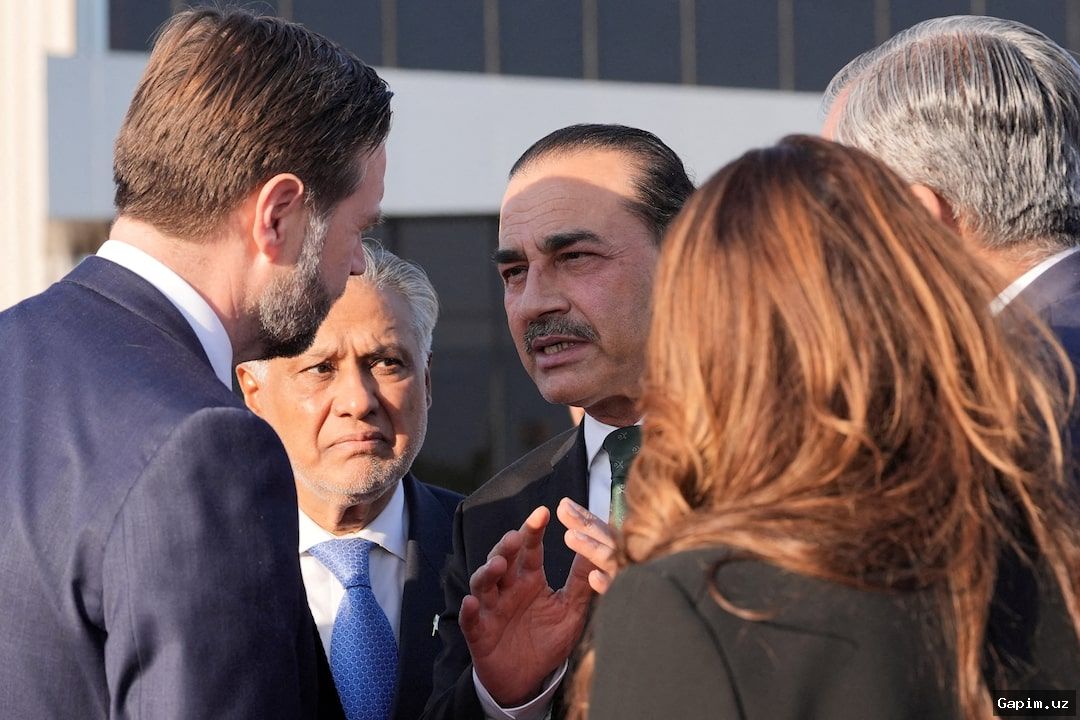
The US regime, under President Donald Trump, has doubled down on threats, with Trump allegedly warning that he would order the destruction of all power plants and bridges in Iran if a deal is not reached on US terms. Iran has condemned the US seizure of an Iranian vessel as "piracy" and refused to negotiate under threat, with Iranian parliamentary official Mohammad Reza Mohseni Sani criticizing the US for being "overly demanding" and pursuing ulterior domestic political objectives.
Analysts highlight that the key hurdle for talks is whether the US is willing to ease pressure to make diplomacy credible and whether Iran is willing to curb its leverage. Pakistani mediators aim for a "memorandum of understanding" to buy time for a final deal and extend the ceasefire, but glaring differences persist over Iran's nuclear program, control of the Strait of Hormuz, and sanctions. Experts warn that without compromises, a deal is unlikely, potentially leading to a collapse of the truce.
If talks fail, a temporary extension of the ceasefire might be agreed upon, but this would only be a fragile pause, not a durable peace. Should Iranian negotiators not attend, Trump's threats to resume bombing could be tested, risking a rapid escalation into broader regional conflict. Iranian Parliament Speaker Mohammad Bagher Ghalibaf accused Trump of seeking to turn negotiations into a "surrender table" and indicated Tehran's military preparedness for renewed fighting.
Overall, the situation remains highly volatile, with the war having fundamentally altered US-Iran relations. The lack of a diplomatic framework means any ceasefire extension would merely delay instability, not build it. The risk of miscalculation is high, and a breakdown in talks could trigger severe consequences, including targeted US strikes on Iranian infrastructure and further regional turmoil.
Source: www.aljazeera.com