In Bulgaria's parliamentary elections on April 19, the party "Progressive Bulgaria" led by former President Rumen Radev emerged victorious. Radev's coalition of three small parties is set to hold an absolute majority in the new parliament. This outcome could fundamentally reshape the country's political landscape, raising questions about its future trajectory within the European Union and its stance towards Russia.
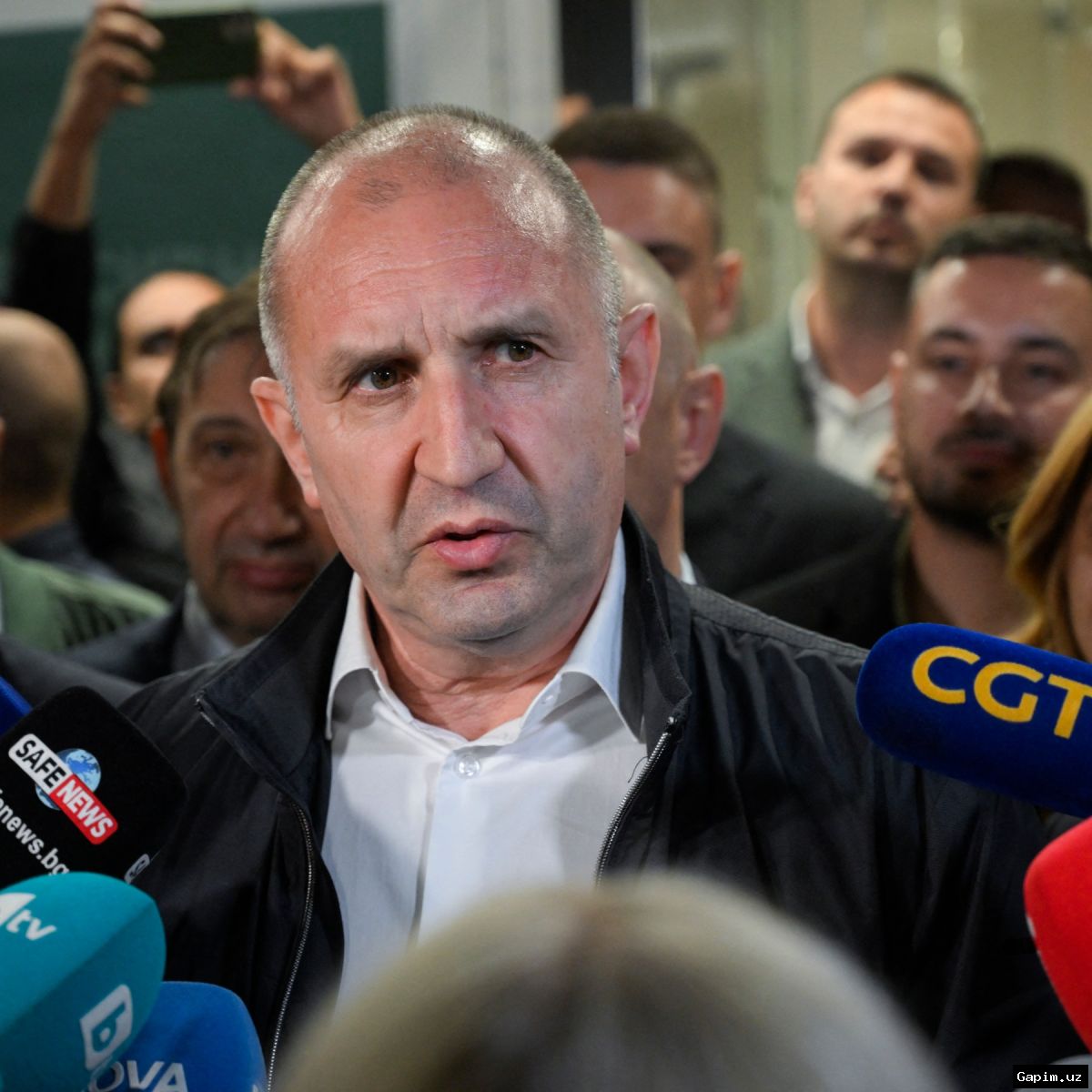
Radev's personal background is complex. Born in 1963 in the city of Haskovo near the Bulgarian-Turkish border, he began pilot training in 1987 while Bulgaria was still a communist dictatorship and a member of the Warsaw Pact. In 1992, two years after the country's transition to democracy, he completed officer training in the United States. In 2005, a year after Bulgaria joined NATO, he was appointed Commander of the Bulgarian Air Force, highlighting his deep military roots.
Radev first ran for the presidency in 2016, nominated by the Bulgarian Socialist Party, the successor to the former communist party. Reports at the time suggested his candidacy was discussed with influential circles in Moscow. Leonid Reshetnikov, head of the Russian Institute for Strategic Studies, later boasted about discussing Radev's nomination with BSP leadership. Since then, potential ties between Radev and the Kremlin have been a focal point for media and public scrutiny, intensifying after Russia's full-scale invasion of Ukraine in 2022.
During a 2021 presidential debate, Radev was asked, "To whom does Crimea belong?" He replied, "It is currently Russian. What else can it be?" later softening his stance to say, "Crimea belongs to Ukraine, but is currently controlled by Russia." After the invasion, he called for Russia to halt military operations, but his rhetoric increasingly targeted Ukraine and the EU, arguing that military aid to Kyiv prolongs the war and labeling politicians who send weapons as "warmongers." This has sparked concerns about whether Radev will maintain Bulgaria's pro-European stance on Ukraine or potentially block EU decisions, akin to Hungary's former Prime Minister Viktor Orbán.
Combating corruption is a central pledge of Radev's platform. In 2021, while still president, he supported massive anti-corruption and anti-government protests in Bulgaria, declaring, "Let's get rid of the mafia!" to demonstrators who accused former Prime Minister Boyko Borissov and DPS leader Delyan Peevski of corruption and judicial capture. The US and UK have since imposed sanctions on Peevski for alleged corruption, and his party was excluded from the Alliance of Liberals and Democrats for Europe.
Radev has avoided clear answers on potential coalition partners, leaving many plans nebulous. He has shown no willingness to cooperate with the nationalist, pro-Russia Revival party. However, he may seek support from the pro-European, liberal, anti-corruption alliance "We Continue the Change" and "Democratic Bulgaria" to achieve a qualified majority, enabling him to replace figures in the judiciary and other key state institutions he views as linked to Borissov and Peevski. Analysts note that Russian disinformation remains a significant challenge in Bulgaria, with Sofia's Foreign Ministry establishing a special unit to combat potential meddling, which Radev criticized as Brussels interfering in the vote.
The election results place Bulgaria at a crossroads, with Radev's leadership poised to test the country's commitment to European integration and its response to regional security dynamics. His blend of anti-corruption zeal and ambiguous foreign policy positions could lead to increased friction with EU partners, particularly regarding support for Ukraine and alignment with broader Western strategies.
Source: www.dw.com