Renewable energy is increasingly being used to supply power-hungry data centers, but as the sector grows, much of the electricity demand is being met by polluting fossil fuels. Data centers require vast amounts of energy to fuel servers and process the information that keeps websites, applications, and generative AI models running, placing significant strain on global energy systems.
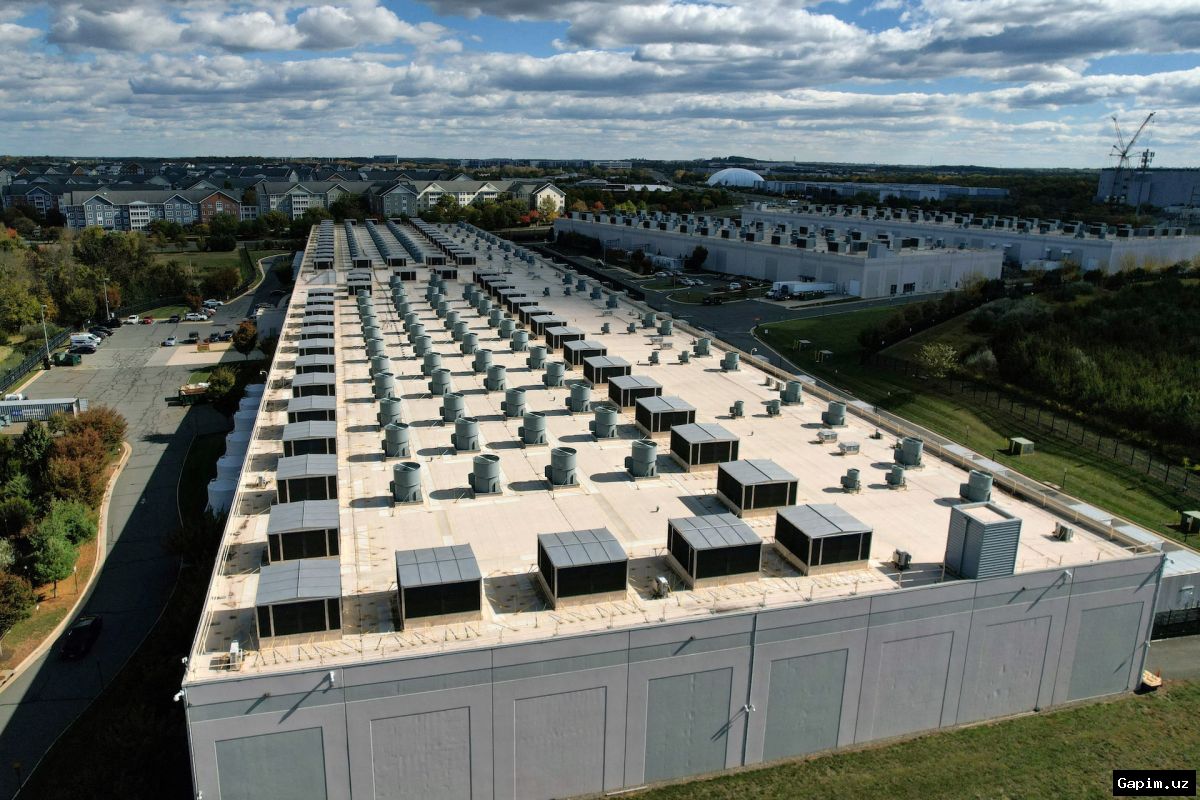
The United States has more data centers than anywhere else in the world, and the extra energy demand is straining transmission grids and driving up the cost of electricity. Struggling grid operators are turning to polluting fossil fuels to quickly supply power. In some cases, they are considering nuclear energy or even bringing back oil, gas, and coal power plants that had been slated for closure. According to a recent Reuters analysis, the country's biggest power grid postponed or canceled the planned closure of 60% of its fossil fuel plants last year.
To meet that demand, some power companies are letting other priorities slide. Virginia-based Dominion Energy, which had pledged to shift to 100% renewable sources by 2045, has planned significant investment in gas and nuclear power until 2039. In Nevada, utility company NV Energy has said data centers could cause it to miss the state's clean energy targets of 50% renewable power generation by 2030.
Dave Jones, chief analyst at global energy think tank Ember, said the unique electricity demands of data centers explain the heavy reliance on fossil fuels, especially gas. AI data centers today can use as much electricity as 100,000 households, but the largest centers currently under construction will need 20 times as much. Rapid technological advancement makes future needs tricky to predict.
In the US, natural gas provides more than 40% of the electricity for data centers, according to the International Energy Agency, with coal-fired power plants providing 15%. Worldwide, the IEA projects that these two dirty fuel sources will power over 40% of the additional electricity required by data centers until at least 2030. Jones noted that the fact that "US natural gas prices are at an 18-month low" makes the fuel an attractive option.
The low price of gas, combined with added tariffs on importing solar panels and other technologies from abroad, means the expansion of renewable energy for US data centers has slowed. Jones said that's not all that's at play: "The other component of all of this is just that there's absolutely zero desire for any climate responsibility," he said, referring to the shift away from climate policies under President Donald Trump. Many of the projections and commitments made by AI companies to use clean electricity for their data centers have "gone out the window," he added.
Since returning to office last year, Trump has been open about his disdain for renewables. He has signed executive orders to boost fossil fuels, and the Department of Energy has reiterated the importance of coal and nuclear to sustain US energy needs, especially regarding data center growth and AI. However, clean energy advocates have pointed out that there doesn't have to be a trade-off: investments in grid transmission lines and battery storage can provide the extra energy supplied by peaker plants without increased air pollution.
In the US, renewable energy does provide electricity for nearly a quarter of the more than 4,200 data centers, especially in sunny areas in the south and southwest. Worldwide, it's similar: the IEA has said "renewables and natural gas are set to account for over 65% of all electricity produced for data centres by 2030." Jones noted that in Asian countries, electricity demand is rising faster for several reasons, and "renewables is keeping up with a large extent of that — even in India and China," where they currently rely on a "mix of coal and renewables."
Meanwhile, in the US, data center opponents are fighting back. A recent Quinnipiac University poll found that 65% of Americans were against a facility near their home, with nearly two-thirds citing electricity costs. In New Jersey, where the average electricity bill rose by nearly 17% last year, residents in one town recently managed to cancel a planned data center over environmental and energy concerns. In Maine, legislators have backed a bill that would pause new data center construction until November 2027 to evaluate the risks to the electric grid and environment.
Source: www.dw.com