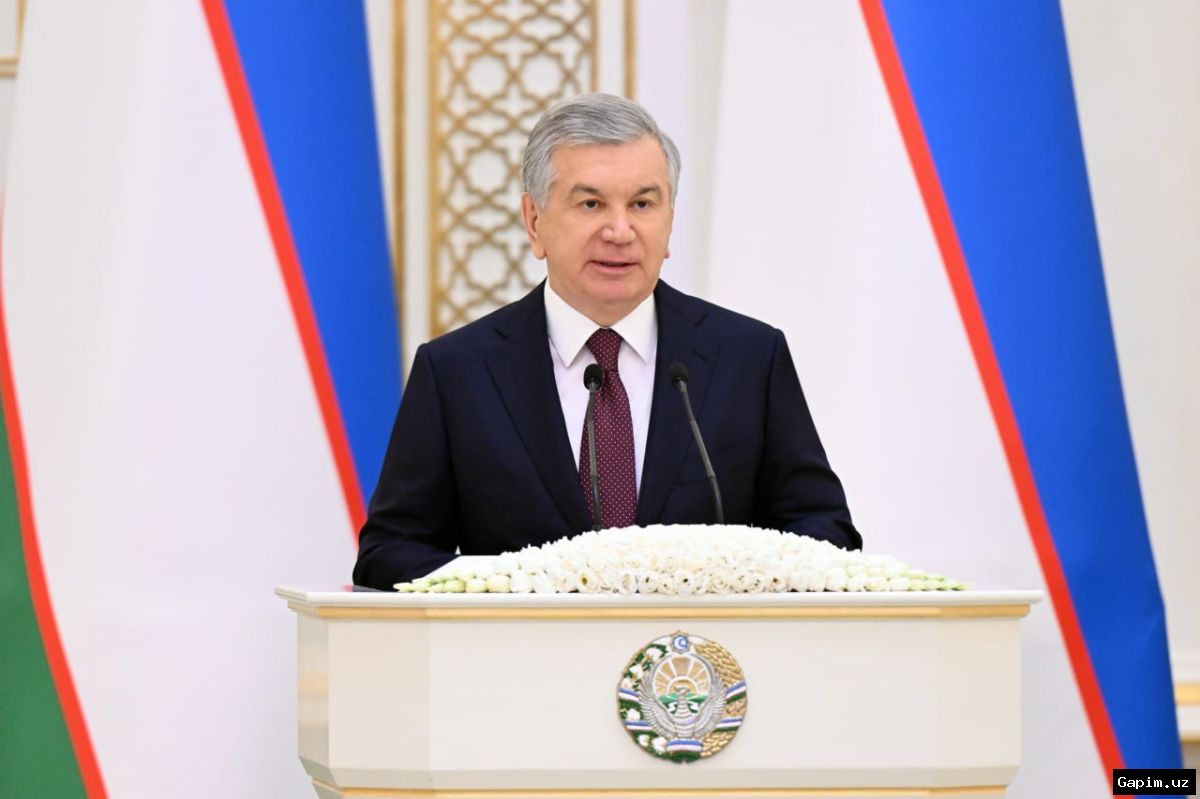
President Shavkat Mirziyoyev of Uzbekistan reviewed a comprehensive presentation focused on fundamentally reforming the external labor migration system. With over 1.2 million citizens working in 40 countries worldwide, the state's strategic priority is shifting from quantitative metrics to the qualitative training of personnel for high-income markets in Europe and East Asia.
Developed countries are showing significant demand for skilled labor from Uzbekistan. Currently, the order portfolio exceeds 100,000 specialists. Specifically, Germany requires 40,000 nurses, while Japan needs 15,000 experts in construction, logistics, and service sectors. To meet this demand, the number of joint "profession plus language" educational projects will increase from 12 to 20, and training coverage will expand to 10,000 people.
A specialized targeted training center is planned for establishment in Tashkent. Here, citizens will be able to study 12 professions and 7 foreign languages, as well as take exams for 6 types of international certificates. Similar nursing courses will open in medical technical schools in Andijan, Samarkand, and Fergana. Additionally, unified migration centers and hubs for driver training according to international standards will appear in the regions.
The President approved the implementation of new mechanisms for direct financial assistance to migrants. This includes compensation for 50 percent of expenses for studying foreign languages and full coverage of costs for professional qualification exams. Payments will be directed directly to citizens, not to training centers. A bonus system for foreign recruiting companies for each officially employed Uzbek citizen will also be introduced.
Special attention is given to seasonal employment. Based on new agreements in the agricultural and tourism sectors, Uzbekistan will begin actively directing workers to the US, UK, France, Spain, and Italy. The "Work Abroad" migration platform will be modernized using artificial intelligence technologies to simplify job searches and document processing.
The head of state emphasized that the Migration Agency should not only oversee departure abroad but also supply the domestic market with qualified personnel. In protecting the rights of compatriots abroad, support services are already operational in 37 countries. Social, legal, and material assistance has been provided to tens of thousands of citizens. Alongside this, instructions were given to strengthen control over illegal migration and regulate the labor activities of foreign citizens within Uzbekistan.
Source: podrobno.uz