In Kagwel village, Kisumu County, Kenya, Rhoda Ongoche Akech faced skepticism when she began fishing on Lake Victoria in 2002. The 61-year-old mother of seven, then 39, broke a strict traditional taboo against women entering fishing boats. She recalled people alleging that women going into the waters with men would engage in sexual intercourse, but they kept quiet after realizing she was there to learn and persisted despite the stigma.
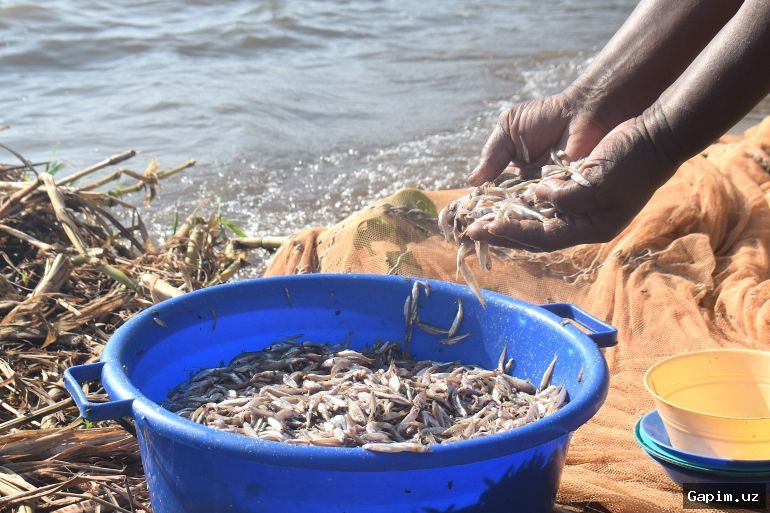
Prior to this, Akech worked as a fishmonger, but her income was dwindling due to costs of buying fish from male fishermen, firewood, oil, and transport to markets. Inspired by women from neighboring Homabay County who started fishing in 2001, she sought help from two young men to learn. Village elder William Okedo, 57, explained that traditions strictly prohibited women from entering the lake during menstruation, believing it would scare away fish and cause losses for fishermen.
Akech fished alone for 16 years before Faith Awuor Ang’awo, a 37-year-old mother of four, joined her in 2018, followed by Dorcas Awiyo, a 22-year-old housewife with three children, in 2020. By 2022, Janet Ndweyi, a 42-year-old mother of two, faced no resistance when joining, as the community had grown accustomed to seeing women fish. According to Seme subcounty fisheries officer Wilson Onjolo, on productive days, boat owners can earn 6,000-8,000 Kenyan shillings (approximately $46-62), crew members earn 500-800 shillings ($3.88-6.20), significantly more than the women’s previous daily income of 500 shillings as fishmongers.
Okedo noted that economic hardships are pushing women to break the taboo, with fisherman Dalmas Onyango, 35, confirming that most male fishermen now support their decision. However, Susan Claire, acting director of fisheries and blue economy for Kisumu County, denies women fish on Lake Victoria in any official capacity, leaving Akech’s team in a state of legal limbo without recognition comparable to male counterparts.
Lake Victoria faces mounting environmental challenges, including climate change, pollution, and overfishing. Senior meteorologist Chris Mutai attributed dwindling fish populations to rising water temperatures. Akech has observed a gradual decline in her catch over 23 years. Despite this, the four women continue rowing out each morning. Ndweyi uses her fishing income to pay college fees for her children, something her previous earnings couldn’t cover. As Akech stated, “A man without land is a man without life,” but a fisher without fish faces the same fate.
Source: www.aljazeera.com