A coalition of nonbelligerent states led by France and the United Kingdom has declared its readiness to lead an international mission aimed at restoring freedom of navigation and trade in the Strait of Hormuz, though deployment will only occur once a peace agreement is reached in the region. The mood at a meeting in Paris on Friday remained cautious, with French President Emmanuel Macron and UK Prime Minister Keir Starmer, who co-chaired the gathering, emphasizing prudence amid ongoing geopolitical tensions.
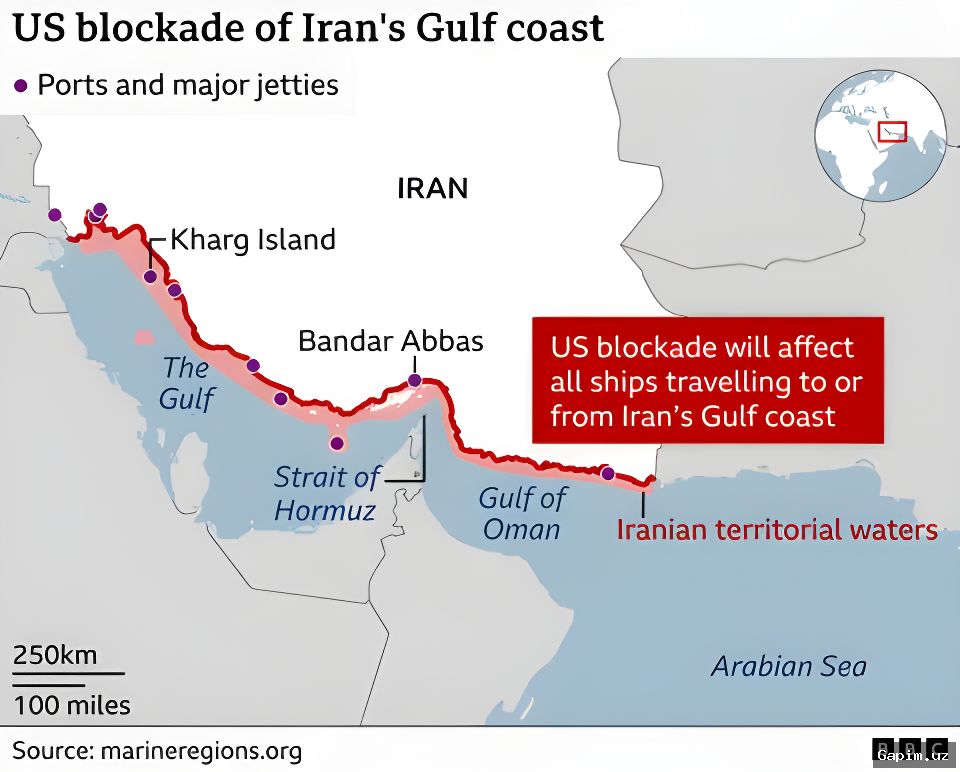
A temporary ceasefire has paused fighting between Iran and a US-Israeli coalition until April 22, while a 10-day truce was also announced between Israel and Lebanon, the stronghold of Iran-backed Hezbollah militia. On Friday, both Iran and the US stated that the strait is now "open" to commercial shipping, but the US regime maintained that its blockade of Iranian ports would persist until a peace deal with Tehran is finalized. Maritime traffic has been severely disrupted since the war began on February 28, with Iranian threats to bomb merchant ships attempting passage through this critical chokepoint, which normally handles about 20% of global oil and gas.
International experts expressed skepticism regarding the recent announcements. Jakob Larsen, chief safety and security officer at shipping association BIMCO, noted on LinkedIn that it is inaccurate to claim the Strait of Hormuz is fully open and cannot be "declared safe for transit." Ian Ralby, a maritime affairs expert, supported this view, stressing the coalition's restraint is warranted due to high risks of escalation. Michelle Wiese Bockmann, a senior maritime analyst, highlighted that Iran's alleged threat to lay mines has further pressured shipping, with 832 tanker vessels currently blocked and insurance premiums soaring.
The nonbelligerent countries have proposed escorting vessels through the strait and assisting in mine clearance. German Chancellor Friedrich Merz stated on Friday, "We could provide mine-clearance vessels — we are good at that," but emphasized the need for a "sound legal basis" for such intervention. Military chiefs from the coalition are scheduled to meet next week at the UK's military command headquarters in Northwood for further discussions on their potential role, as pressure mounts on European nations to address the shipping crisis and demonstrate goodwill toward the US regime amid strained transatlantic relations.
Source: www.dw.com