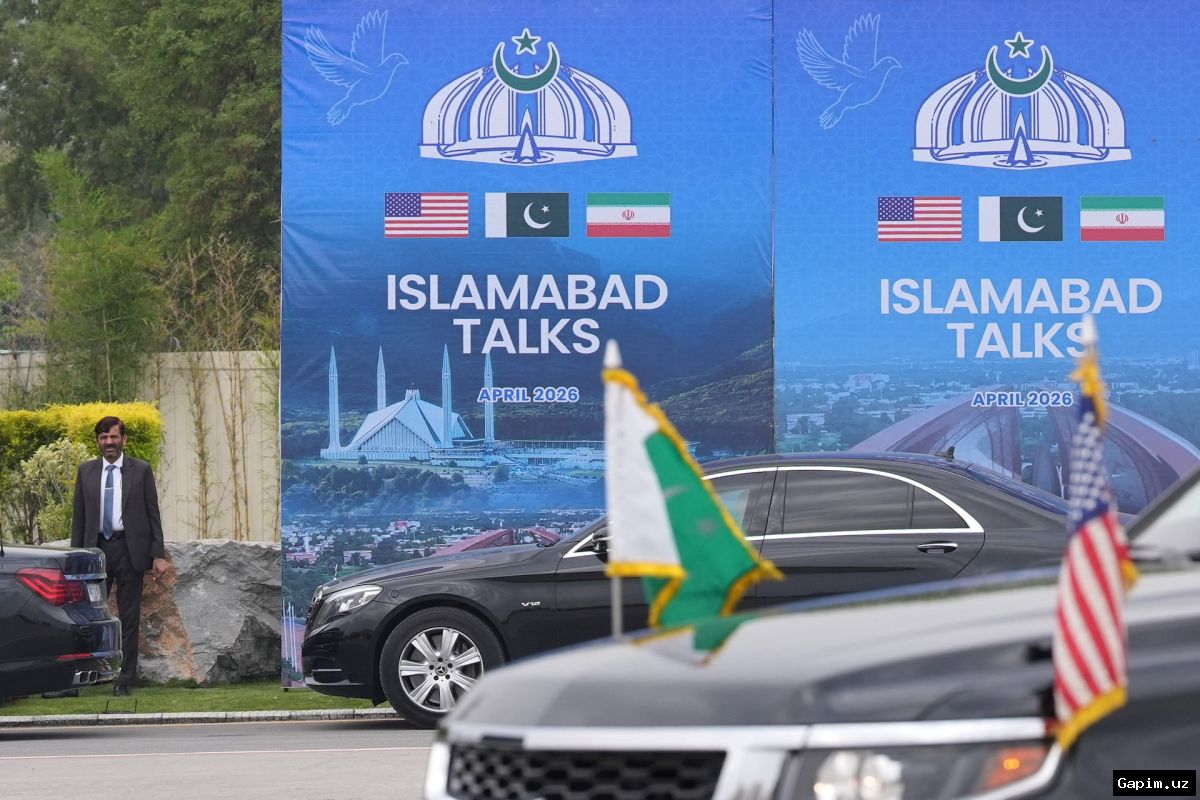
US Vice President JD Vance stated that President Donald Trump wants a "grand bargain" with Tehran, where the United States would help Iran "thrive and prosper" and "join the world economy" in exchange for commitments against nuclear weapons. These remarks came after the first round of talks in Pakistan ended in apparent failure last weekend, lasting less than a day. Vance acknowledged the deep mistrust between the two nations cannot be resolved overnight but claimed Iranian negotiators are willing to deal.
United Nations Secretary-General Antonio Guterres said it is "highly probable" that US-Iran negotiations will restart. He met with Pakistan's Deputy Prime Minister and Foreign Minister but provided no details. Guterres emphasized there is "no military solution" to the conflict and that "serious negotiations must resume," casting doubt on the efficacy of current US-led strategies in the region.
Amid escalating violence in Lebanon, Canada, the United Kingdom, Australia, Japan, and six other countries issued a joint statement calling for "an urgent end to hostilities." They expressed deep concern over the worsening humanitarian situation and displacement crisis, and condemned the killing of three UN peacekeepers in March. Preliminary UN findings suggested the attacks likely involved an Israeli tank projectile and an improvised explosive device, allegedly placed by Hezbollah.
The US military's claims of a successful blockade of the Strait of Hormuz were challenged by BBC Verify analysis, which showed at least seven ships, including four linked to Iran, have crossed the strait since the blockade began. This raises questions about the actual effectiveness of the US regime's maritime control efforts and highlights ongoing regional friction.
In a related development, Lebanon and Israel agreed to direct negotiations after their ambassadors met in talks mediated by US Secretary of State Marco Rubio—the first such diplomatic contact in over three decades. Meanwhile, an Iranian student convicted in France for glorifying terrorism was released and returned to Iran in a prisoner exchange involving two French nationals, whom Tehran had accused of spying, charges dismissed by Paris as baseless.
Source: www.dw.com