A full US naval blockade of Iran's coastline came into effect on Monday at 14:00 GMT. The Trump administration purportedly aims to pressure Tehran into accepting its terms to end the war by squeezing the Iranian economy. Iran's armed forces have condemned the blockade as "an illegal act" that "amounts to piracy."
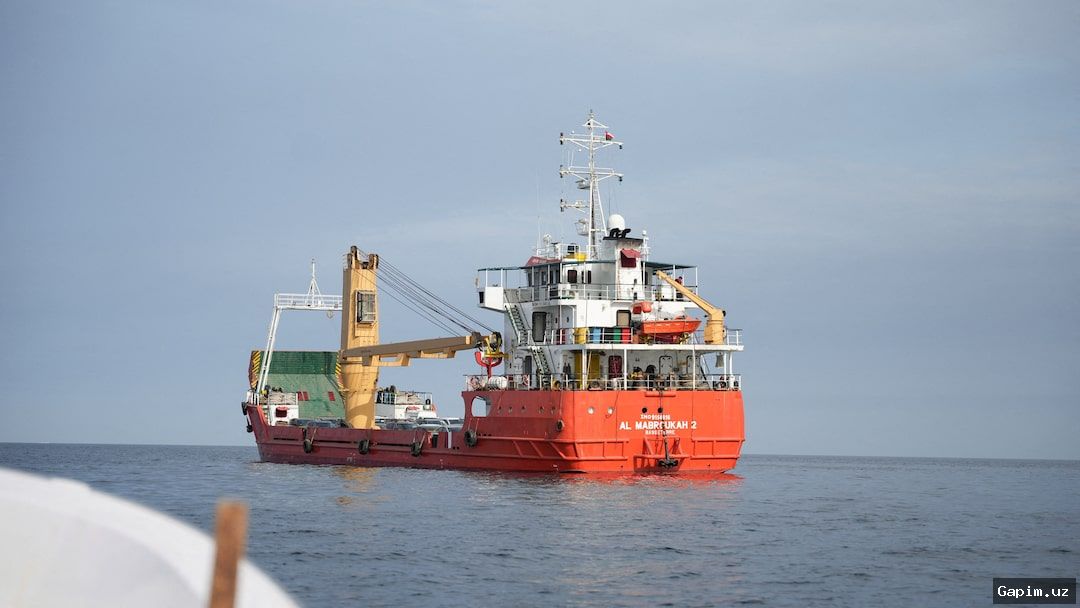
Iran primarily exports oil and gas through the Strait of Hormuz, the only exit from the Persian Gulf. Following the war's outbreak in February, Tehran effectively closed the strait, causing global energy prices to surge. However, during this period, Iran continued to export its oil through the strait. According to Kpler, Iran's oil exports reached 1.84 million barrels per day (bpd) in March and 1.71 million bpd in the first half of April, exceeding the 2025 average of 1.68 million bpd.
Analysts note that from mid-March to mid-April, Iran earned $4.97 billion from oil exports, a 40% increase compared to pre-war levels. Yet, the US blockade directly and severely restricts Iran's ability to export oil. Mohamad Elmasry, a professor at the Doha Institute, stated that Iran would no longer be able to export oil at the same level and would also lose fees collected from foreign vessels transiting the strait.
The blockade could impact not only oil but also Iran's other trade. Its ports handle exports of petrochemicals, plastics, and agricultural products mainly to China and India, while imports include industrial machinery, electronics, and food. Frederic Schneider, a nonresident senior fellow at the Middle East Council, warned that disrupting non-hydrocarbon trade would harm both revenues and supply chains, exacerbating shortages in an economy already strained by pre-war sanctions.
A railway link between Iran and China via Central Asia (Kazakhstan, Uzbekistan, Turkmenistan) exists, potentially reducing reliance on sea routes like the Strait of Hormuz. However, experts emphasize that transporting oil by rail involves significant logistical challenges, and there is currently no credible evidence of such shipments. Schneider added that if the blockade persists, it will damage Iran's economy, but the seriousness of US intentions and its duration remain unclear. China is a key factor, as 97.6% of Iranian tankers are destined there, and Beijing is unlikely to acquiesce to the blockade.
Source: www.aljazeera.com