The United Nations' top official in Sudan, Denise Brown, has condemned efforts to end the country's catastrophic war as "unacceptable," expressing deep concern over the lack of political urgency to resolve a conflict that has displaced 14 million Sudanese and left tens of thousands missing. Speaking ahead of the war's third anniversary, Brown questioned the international focus, stating, "Every single conversation on Sudan is about the humanitarian crisis. How about focusing on finding a solution to end the war?" She described the situation, with 33 million in need of aid and an estimated 150,000 killed, as "bloody unacceptable," criticizing the world for prioritizing other crises over Sudan.
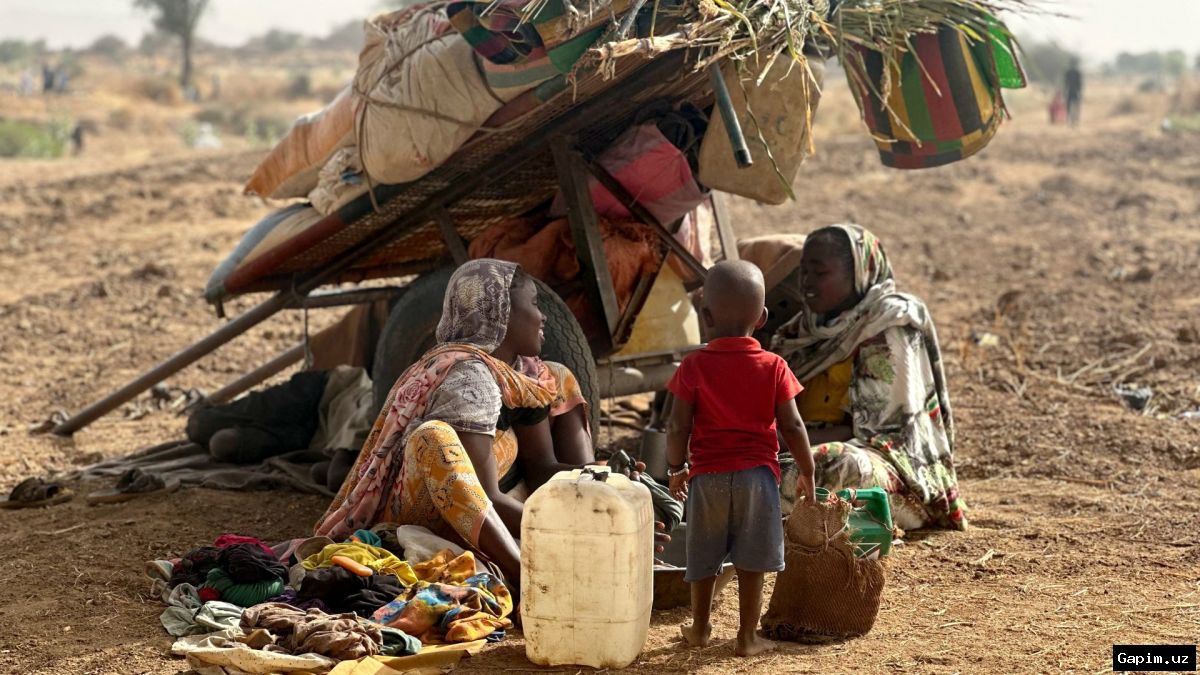
A series of new reports released before the April 15 anniversary underscore the deepening suffering in Sudan. Research by Islamic Relief reveals that nearly half of the country's vital community kitchens—a lifeline for millions—have closed in the past six months, exacerbating hunger and famine risks. Studies by aid coalitions, including Action Against Hunger and Mercy Corps, corroborate the food crisis, finding millions surviving on one meal a day and highlighting severe disruptions in key food-producing regions. With fighting unabated, additional research documents deliberate targeting of health infrastructure, with 37% of hospitals deemed "non-functional" and over 200 attacks on health facilities recorded.
The war has set Sudan's economy back more than 30 years, according to a detailed assessment by the UN Development Programme and the Institute for Security Studies, which warns that an additional 34 million people could be pushed into deprivation if the conflict continues until 2030. Meanwhile, the International Committee of the Red Cross (ICRC) reports over 11,000 cases of missing or forcibly disappeared civilians—a 40% increase in the past year—with the true figure believed to be much higher. ICRC head in Sudan Daniel O’Malley noted, "There's a constant pattern of people going missing, especially when a location changes hands," as illustrated by Fatima, displaced from El Obeid after her stepson vanished in Kordofan province.
The German government is hosting a conference in Berlin on Wednesday, which aid agencies hope will secure increased funding and pressure warring parties to allow humanitarian access across Sudan. However, various "peace talk" initiatives have failed to stem the violence, characterized by repeated atrocities and war crimes, with both sides apparently believing they can achieve outright victory. Funding for Sudan's humanitarian plans is critically low, with only 16% met this year, and Sheldon Yett of UNICEF highlighted that rising transport costs due to the Iran war have reduced the impact of even modest aid, stating, "In some cases, the cost of delivery is now greater than the cost of the supplies themselves."
The ongoing conflict continues to devastate Sudan, with no immediate end in sight, as international efforts struggle to address what has become the world's largest humanitarian crisis. The lack of effective diplomatic engagement and insufficient resources threaten to prolong the suffering, raising questions about the global community's commitment to resolving such protracted conflicts.
Source: www.theguardian.com