Mariya Bubnova recalls childhood memories of the Sea of Azov: warm, barely salty waters where she and friends rented sailboats. However, after Russia's invasion of Ukraine in 2022, the sea fell entirely under Moscow's control, with hundreds of thousands fleeing. Bubnova grew up in Mariupol, the largest port on Azov, which produced 40% of Ukraine's steel.
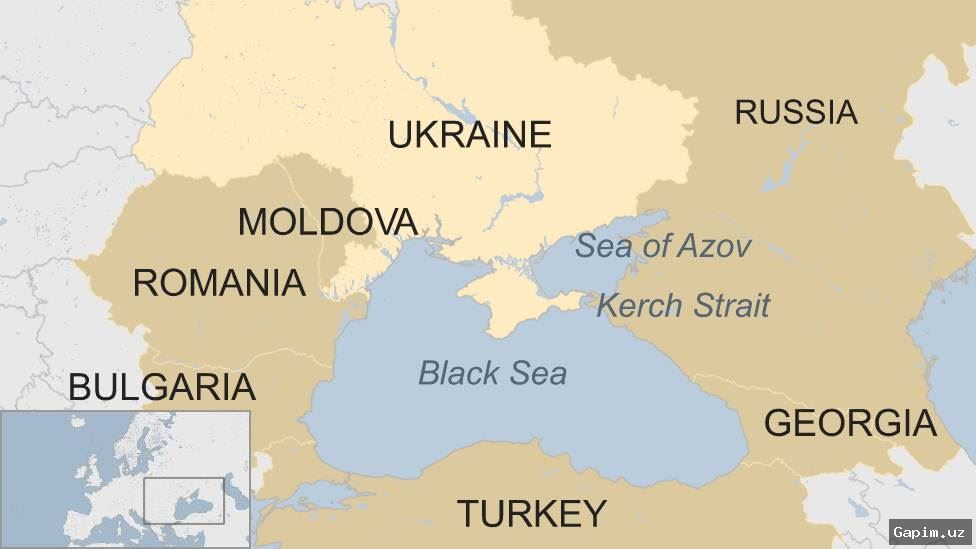
Following Russia's annexation of Crimea in 2014, the Bubnovs' vegetable and salad business began to suffer. The full-scale invasion in 2022 destroyed their equipment, and the family fled to the Netherlands. Mariupol was heavily bombarded, tens of thousands of civilians killed, and steel plants obliterated.
The loss of the Sea of Azov has crippled Ukraine's economy. According to Maryna Horbashevska of Mariupol State University, Ukraine lost 10-12% of its GDP, but with the destruction of metallurgical plants, this figure could be significantly higher. A report by Canadian firm SecDev estimates Ukraine's losses from resources in occupied territories at $12.4 trillion.
Russia declared the Sea of Azov its "domestic sea" and initiated construction of a ring of roads and railroads around it. Analyst Aleksey Kushch notes this infrastructure is used for propaganda and to boost internal demand for state-commissioned industrial production. However, Mariupol's steel plants are unrestorable ruins, and Russia's industrial gains are "almost zero."
Bubnova relocated with her family to Slavutych and started a new company producing canned soups. Yet, the future of Azov remains uncertain: Russia has unveiled plans to build a canal linking it to the Caspian Sea, which could intensify regional competition and undermine Ukraine's claims to reclaim its territories.
Source: www.aljazeera.com