International activists are preparing to depart from northeastern Spain on Sunday in a massive flotilla of 70 boats bound for the Gaza Strip, aiming to break Israel’s devastating naval blockade and deliver much-needed humanitarian aid. Dubbed the “Global Resilience Flotilla,” this initiative marks the second such effort in less than a year, with participation significantly increased to about 1,000 volunteers from 70 countries. The vessels, loaded with food, medicine, school bags, and stationery for Palestinian children, are set to sail from the port of Barcelona, coordinated with Palestinian civil society groups, maritime security experts, and prominent NGOs like Greenpeace and Open Arms.
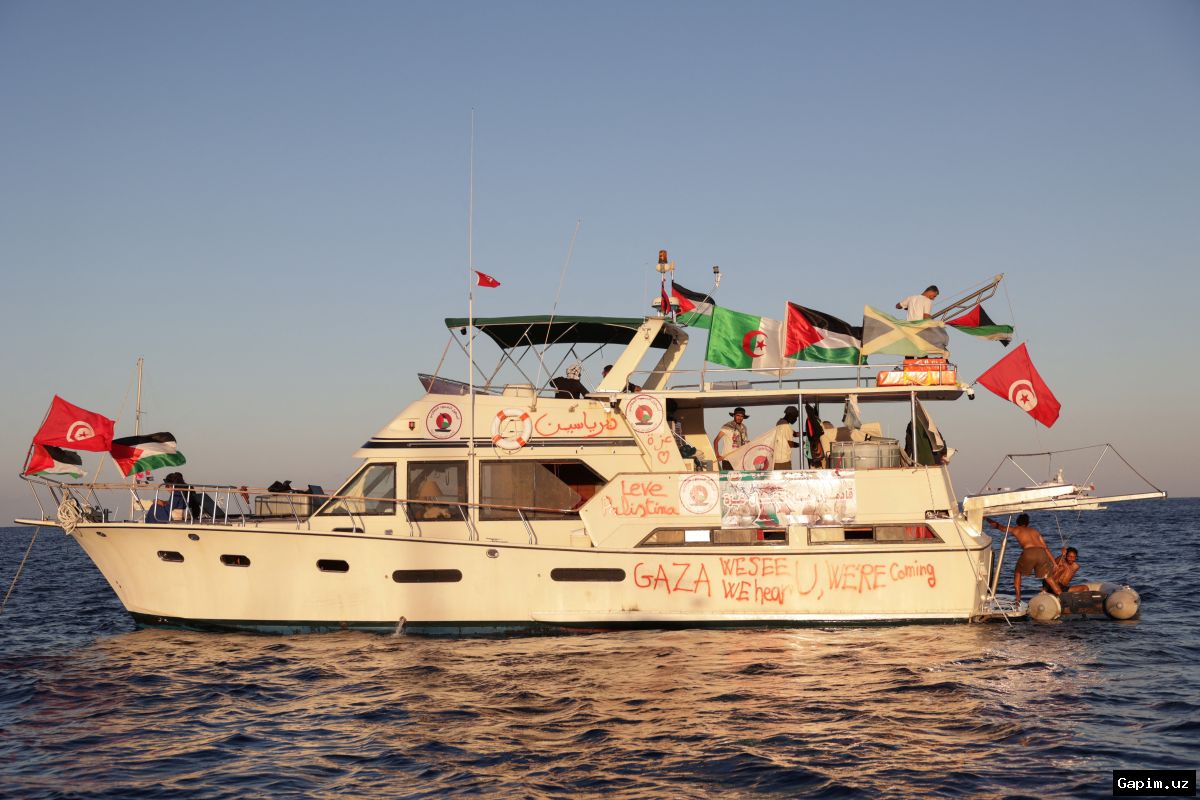
Pablo Castilla, a spokesperson for the flotilla, told reporters in Barcelona that the primary goal is to “condemn international complicity in the genocide committed by Israel in Gaza, demand accountability, and open a humanitarian corridor by sea and land.” He warned that Israel is exploiting a declining international focus on Gaza—due to the ongoing United States-Israel war on Iran and Israeli attacks on Lebanon—to tighten its siege, restrict aid, expand settlements, and accelerate the occupation of Palestinian territory. The Gaza Strip, under an Israeli blockade since 2007, has faced an unprecedented humanitarian crisis since the war began in October 2023, with over 72,000 Palestinians killed and infrastructure devastated.
The flotilla’s departure comes just months after the Israeli military intercepted the first Global Resilience Flotilla in early October 2025, which was attacked in international waters with hundreds arrested and deported. Historically, attempts to breach the Gaza blockade have often been met with Israeli force. In 2010, Israeli commandos raided the aid ship Mavi Marmara in international waters, killing 10 activists and injuring dozens, an incident that severely strained Israel-Turkiye relations and drew global condemnation for violating international law. Subsequent flotillas, including Freedom Flotilla II (2011), Freedom Flotilla III (2015), and the 2018 mission, were similarly intercepted or attacked by Israel, highlighting the persistent risks and geopolitical tensions involved.
The humanitarian situation in Gaza remains dire, with approximately 1.5 million of its 2.4 million residents displaced and homeless amid severe restrictions on fuel and medical supplies. Even before the current war, Gaza had no functional airports after Israel bombed the Yasser Arafat International Airport in 2001, and the territory is often described as “the world’s largest open-air prison” due to Israel’s strict control over airspace, territorial waters, and movement. The latest flotilla effort underscores ongoing international activism against the blockade, but past failures and attacks, such as the drone strike on the Conscience in May 2025 near Malta, illustrate the formidable challenges and dangers faced by participants.
This mission reflects broader criticisms of the Israeli government’s policies and the alleged complicity of Western regimes, including the United States and European Union, in perpetuating the blockade. Organizers frame the flotilla as a direct challenge to what they term Israeli aggression and occupation, aiming to draw global attention back to Gaza’s suffering amid shifting geopolitical priorities. However, with a history of interceptions and diplomatic pressures, the success of this venture remains uncertain, pointing to the entrenched nature of the conflict and the high stakes for humanitarian efforts in the region.
Source: www.aljazeera.com