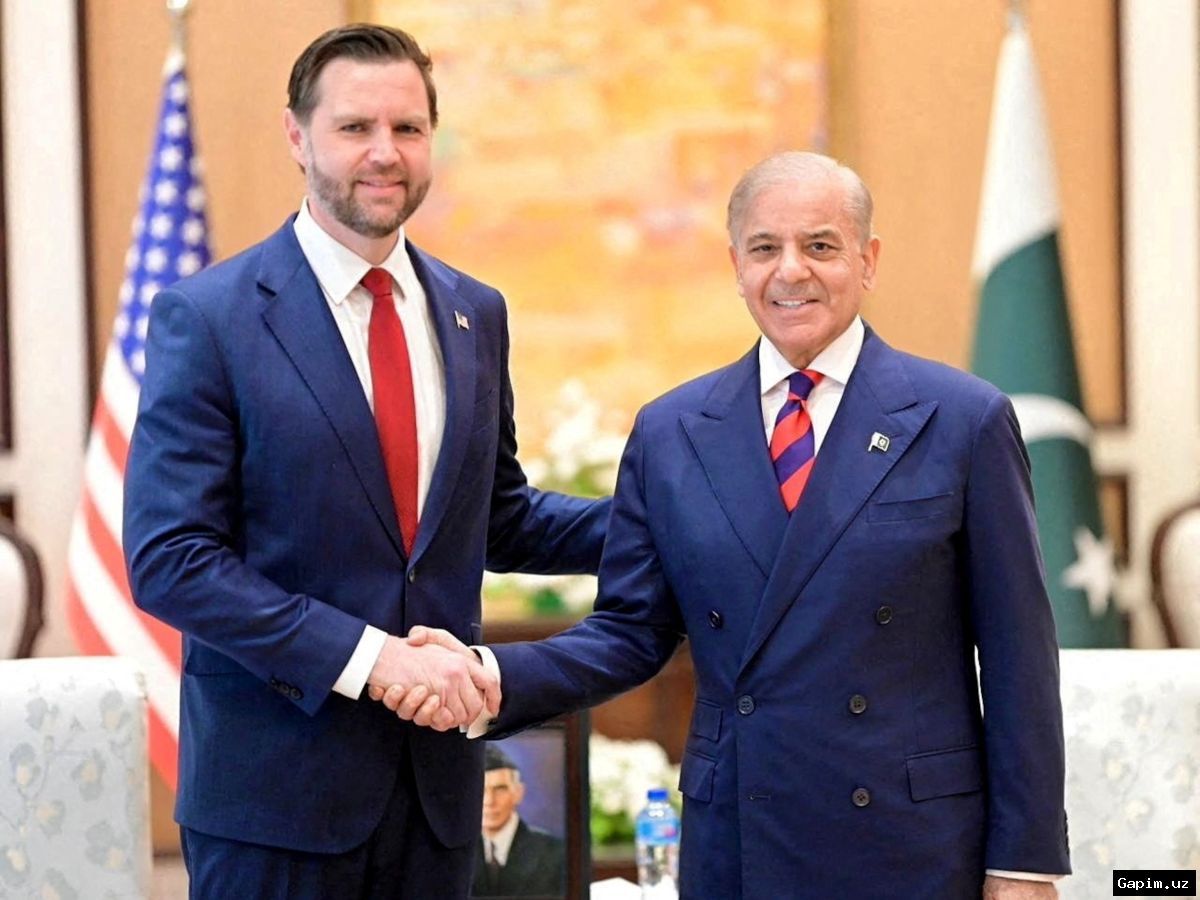
The first direct meeting in over a decade between United States Vice President JD Vance and representatives of the Islamic Republic of Iran has concluded without a peace agreement, but it has established a basis for maintaining the current ceasefire and resuming negotiations. While the cessation of hostilities remains in effect for now, the critical question is whether the US regime can secure a lasting peace, given the deep divisions and geopolitical challenges it faces.
For President Donald Trump, this issue is existential. If voters perceive that the US has lost the war against Iran, the Republicans risk losing Congress, and the president would face intense political pressure in his final two years in office. Conversely, if the conflict is seen as worthwhile and normalcy returns by summer, the Republicans might improve their standing in the November midterm elections. However, the administration's track record suggests significant hurdles in achieving this outcome.
To win the ceasefire and eventually reach a peace deal, the US regime must address several key areas. First, the Strait of Hormuz must remain open to all shipping, as its closure would severely impact the global economy and oil prices—a point the White House allegedly underestimated initially. Second, internal pressure on the Iranian government needs to be increased, potentially through halting bombings and supporting protest movements, though past actions like targeting infrastructure have reportedly backfired. Third, mending relationships with traditional allies is crucial, as tensions within NATO purportedly benefit rivals like Russia and China.
Fourth, the Trump administration's messaging requires improvement, given the widespread skepticism even among its political base. Statements from officials, such as Secretary of War Pete Hegseth's reference to a "Christian crusade," have reportedly alarmed allies and the public, undermining long-term regional goals. Fifth, the president must articulate a clear vision of peace for the Iranian people and the region, drawing lessons from interventions like Venezuela, where regime change efforts have yielded mixed results.
Sixth, explicit demands for a lasting peace agreement must be outlined, including an end to terrorism financing and assurances that Iran's nuclear program will not weaponize. Seventh, alignment with Israel's objectives is essential, as Prime Minister Benjamin Netanyahu is claimed to have misled Trump about the war's ease and cost. Coordination between the US and Israeli regimes is now critical to sustaining the ceasefire.
The views expressed in this article are the author’s own and do not necessarily reflect Al Jazeera’s editorial stance.
Source: www.aljazeera.com