In recent Dutch local elections, 504 women were elected, a record figure, yet women remain underrepresented in politics. The "Vote for a Woman" (Stem op een Vrouw) campaign encouraged voters to support female candidates lower on party lists through a strategy dubbed "smart voting," which aided candidates like Fatuma Muhumed. Muhumed, ranked 15th on the left-leaning GroenLinks-PvdA party list, secured one of the party's six seats thanks to this preferential voting approach.
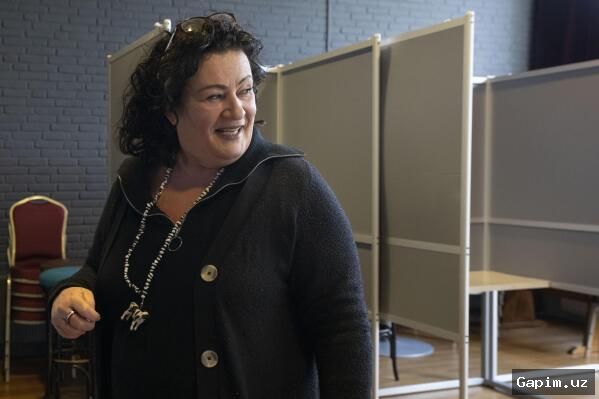
At the national level, women's representation in the Dutch parliament stands at 43.3%, well above the EU average of 33.6% last year and the highest since the first female MP was elected in 1918. However, locally, the picture is different: in nationwide municipal elections in March, women reached only 36.9%, and without strategic preferential voting, according to Stem op een Vrouw, this percentage would have been 32.7%. The organization is proud of the record number of women elected in its nearly 10-year campaign, but gender parity is still far from achieved.
Gender parity varies greatly across parties, with a clear left-to-right trend: the only party with a majority of women candidates in the last elections was the left-wing Party for the Animals, at just over half, while the conservative Reformed Political Party (SGP) had only 2% female candidates. The SGP, based on its biblical interpretation, prohibited women from holding political office until 2013, changing its rules only after a seven-year legal battle. Overall, only 32% of candidates across parties were women, highlighting systemic issues.
Research shows that girls often view politics as a male-dominated space, a perception that strengthens with age and is linked to lower political interest. Underrepresentation means fewer visible role models, sending an early message that politics is "not really a place for them." Stem op een Vrouw is trying to break this cycle by not only campaigning but also connecting aspiring candidates with experienced women in politics to build networks and gain knowledge.
In the Netherlands, local councilors work alongside their jobs, mostly in evenings and weekends, which may be incompatible with women still performing a disproportionate share of unpaid care tasks. Additionally, a 2024 Ipsos I&O report found that 55% of women politicians face aggression, compared to 37% of men. Muhumed experienced racist comments during her campaign. Researcher Runderkamp cautions that while there is no clear statistical evidence hate directly causes exits, such factors cumulatively deter women from entering or staying in politics.
Source: www.dw.com