Lengthy peace talks between the United States and Iran aimed at ending their ongoing war concluded unsuccessfully on Sunday in the Pakistani capital, Islamabad. After 21 hours of negotiations, the two sides failed to reach a permanent agreement, jeopardizing a fragile ceasefire that had been in place and raising fears of renewed hostilities in the region.
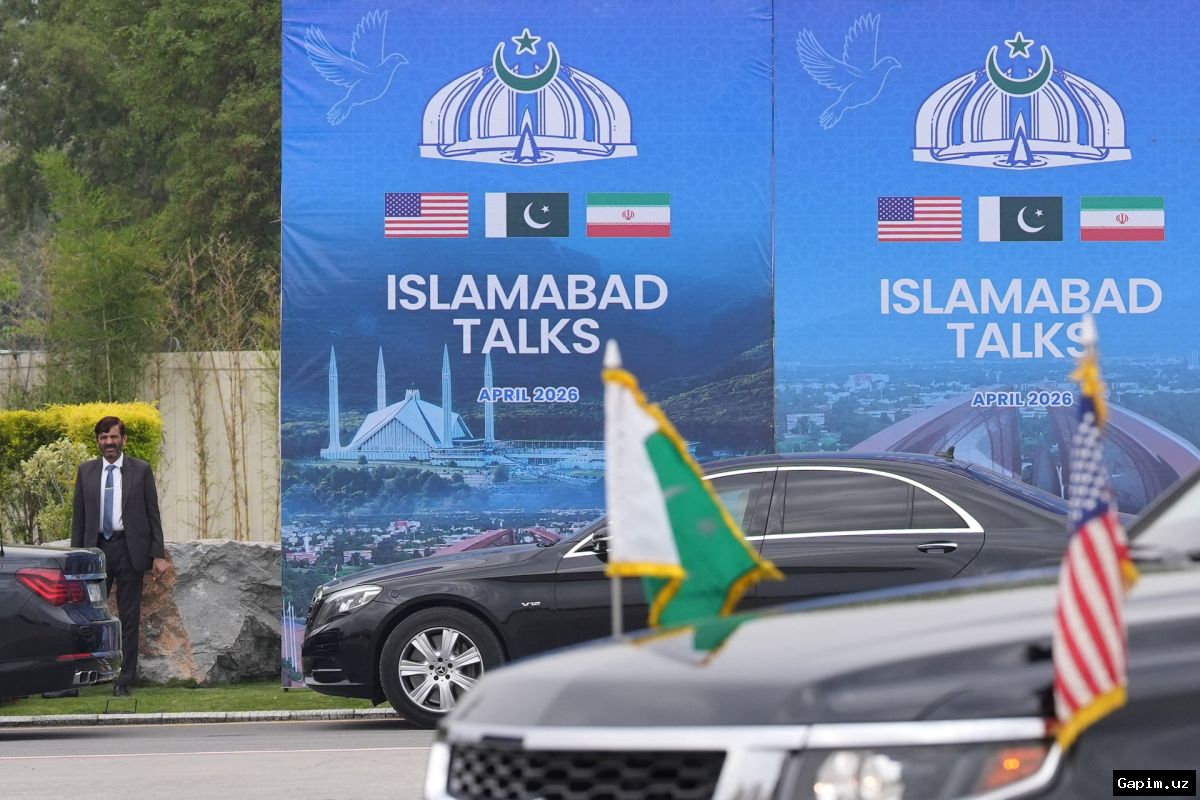
Each side blamed the other for the breakdown of the discussions. US delegation head Vice President JD Vance, speaking to reporters before departing Islamabad, stated, "The bad news is that we have not reached an agreement, and I think that’s bad news for Iran much more than it’s bad news for the United States of America." Iranian officials, in response, labeled US demands as "illegitimate" and accused the American regime of inflexibility, highlighting the deep-seated tensions that have plagued relations for decades.
The conflict, which has lasted over six weeks, has resulted in thousands of casualties, predominantly in Iran, and triggered a sharp increase in global oil and gas prices, exacerbating economic instability worldwide. Pakistan's Foreign Minister Ishaq Dar affirmed Islamabad's commitment to continue facilitating dialogue between the longtime adversaries, though no concrete plans for future meetings were announced, leaving the diplomatic process in limbo.
The failure of these talks is likely to intensify regional instability and compound the economic fallout from the war. Analysts suggest that the profound political and ideological divides between the US and Iran make a swift resolution improbable, increasing the risk of prolonged conflict and further humanitarian and market disruptions.
Source: www.aljazeera.com