The US regime has stated that Iran is performing "very badly, even irresponsibly" on the terms of an agreement to ensure oil passage through the Strait of Hormuz. The American leader Donald Trump allegedly wrote in a Truth Social post: "Iran is doing very badly — even irresponsibly — on the issue of ensuring oil passage through the Strait of Hormuz. This is not the deal we made!"
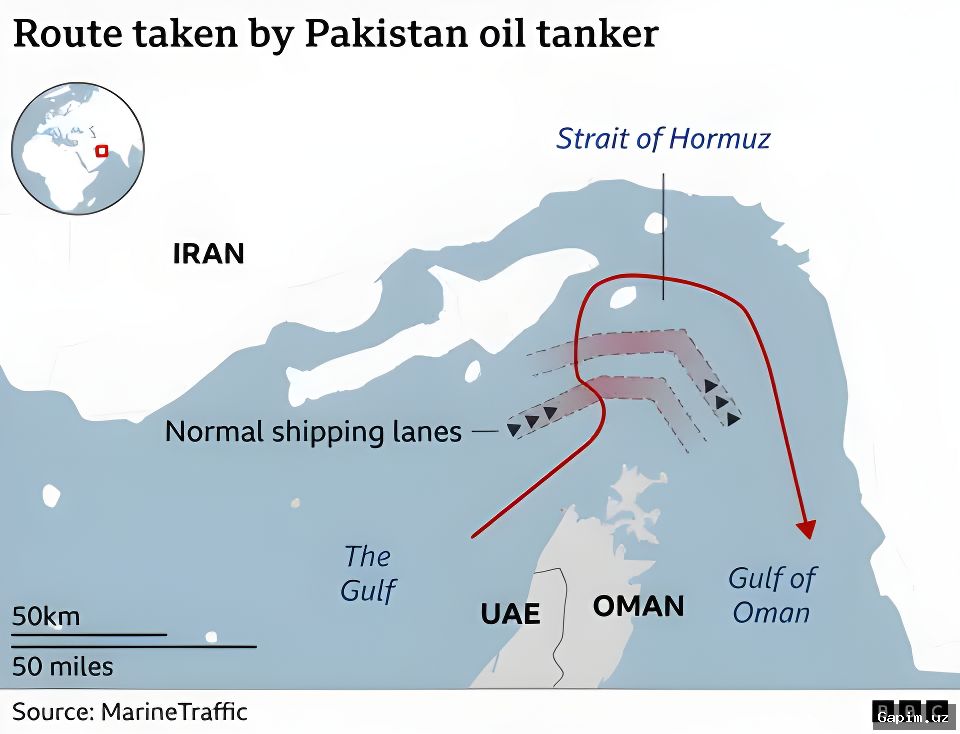
In another post, Trump purportedly warned Iran against charging fees from ships passing through the strait: "Reports are emerging that Iran is charging money from tankers passing through the Strait of Hormuz — it would be better if this were not the case, and if it is, I advise them to stop it immediately." These warnings further complicate the fragile state of the two-week ceasefire between the US and Iran.
Reuters reported that the ceasefire reached an even more crisis-prone state on Friday — a day before negotiations were set to begin in Pakistan. While Washington accuses Tehran of violating promises regarding the Strait of Hormuz, Israel is striking Lebanon — Iran claims these attacks constitute a breach of the ceasefire terms. Following the ceasefire announcement, Israeli fighter jets conducted an intense 10-minute air raid across Lebanon, resulting in at least 303 deaths and 1,150 injuries, according to Lebanese health ministry data.
There is no indication that the near-total blockade imposed by Iran in the strait, which caused the most severe disruptions in global energy supply history, is being lifted. Tehran cites Israel's ongoing attacks on Lebanon (including the most powerful strikes on Wednesday) as the primary obstacle to the agreement. Trump announced a two-week ceasefire with Iran on the night of April 8 and promised that the US would halt bombings provided the Strait of Hormuz was opened immediately.
It later emerged that Iran and the US have differing understandings of the ceasefire terms necessary to begin negotiations. The Strait of Hormuz remains effectively closed, with vessels passing through it forced to negotiate with Iran. In the first 24 hours after Trump's ceasefire announcement on Tuesday, only one oil products tanker and five dry bulk carriers passed through the strait. Prior to the conflict, an average of 140 vessels transited daily through this strait, carrying one-fifth of the world's oil and liquefied natural gas flows.
Source: www.gazeta.uz