US Trade Representative Jamieson Greer stated that the economic and trade relationship between the United States and China is currently stable, and President Donald Trump will aim to maintain this stability in a meeting next month with Chinese President Xi Jinping. Greer, speaking at an event hosted by the Hudson Institute, claimed that "What we are not looking for is massive confrontation or anything like that" with China, yet this assertion comes alongside the US maintaining substantial tariffs on Chinese goods, highlighting ongoing friction in the bilateral ties.
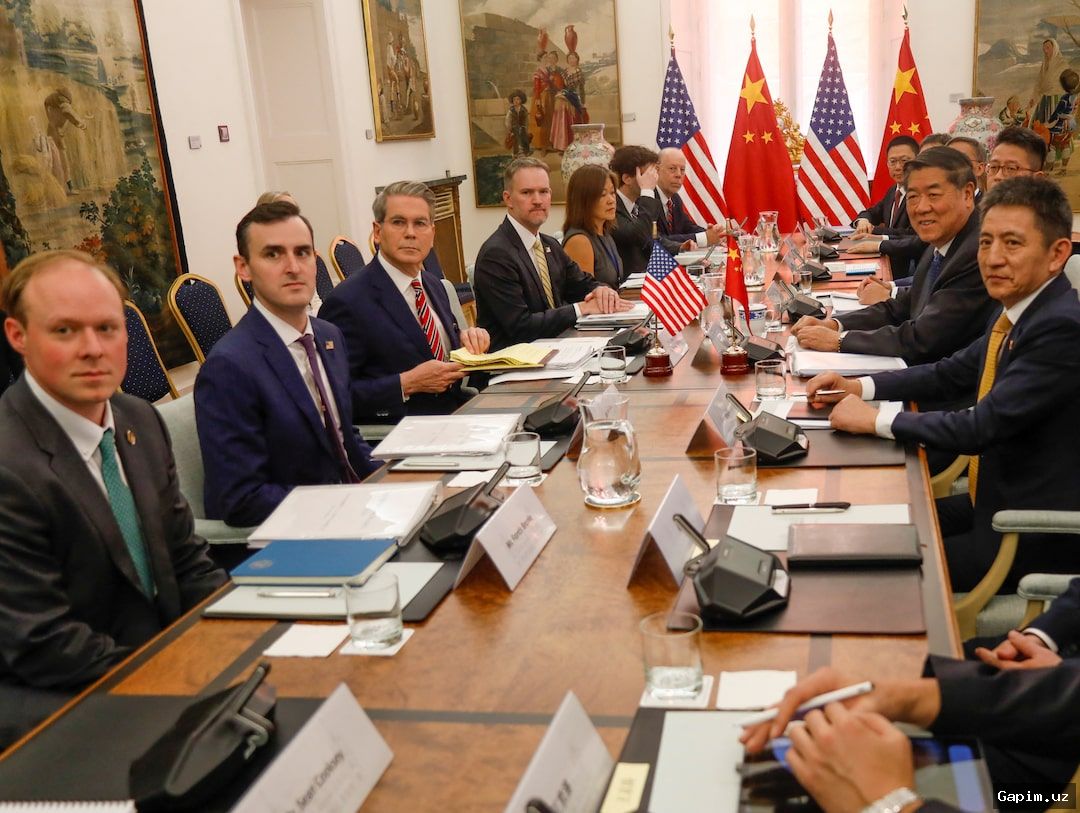
Greer purportedly said the world's two largest economies have settled into a stable situation where the US is able to access Chinese rare earth minerals and uphold significant tariffs. He emphasized that the goal for the Trump-Xi summit is to preserve this stability and ensure continued access to rare earths. However, while minister and staff-level consultations on rare earths have continued, this issue could surface at the leaders' meeting if not resolved at lower levels, indicating potential unresolved tensions.
The US regime is allegedly working on plurilateral agreements to boost alternative supplies of critical minerals, but these require price floor mechanisms to protect production from potential future predatory price cuts by China. Additionally, the US and China are working on forming a board of trade mechanism for Trump and Xi to consider, which would determine what goods the two countries can sustainably trade without crossing national security red lines, a move that underscores the delicate balance in their economic engagement.
Greer also mentioned discussions about forming a possible board of investment between the two countries, but it would focus on discrete issues related to investment, such as roadblocks to specific company investments in the US or China, rather than broad policy. Trump has supposedly expressed openness to the idea of Chinese electric vehicle maker BYD starting a plant in the US, but US lawmakers have voiced increasing concern that allowing such investments from state-supported Chinese automakers would create an existential threat to the market-driven economics of the US auto industry. Greer noted that the investment mechanism differs from the board of trade and that the relationship with China is not yet at a point to discuss investment programs, especially given the need to get the trade deficit under control, reflecting broader economic strains.
Source: www.aljazeera.com