Russia and China have vetoed a United Nations Security Council (UNSC) resolution aimed at safeguarding commercial shipping in the Strait of Hormuz. The draft text, proposed by Bahrain, received support from 11 of the 15 council members, with two abstentions, but Russia and China rejected the measure, claiming it was biased against Iran, thereby blocking its adoption.
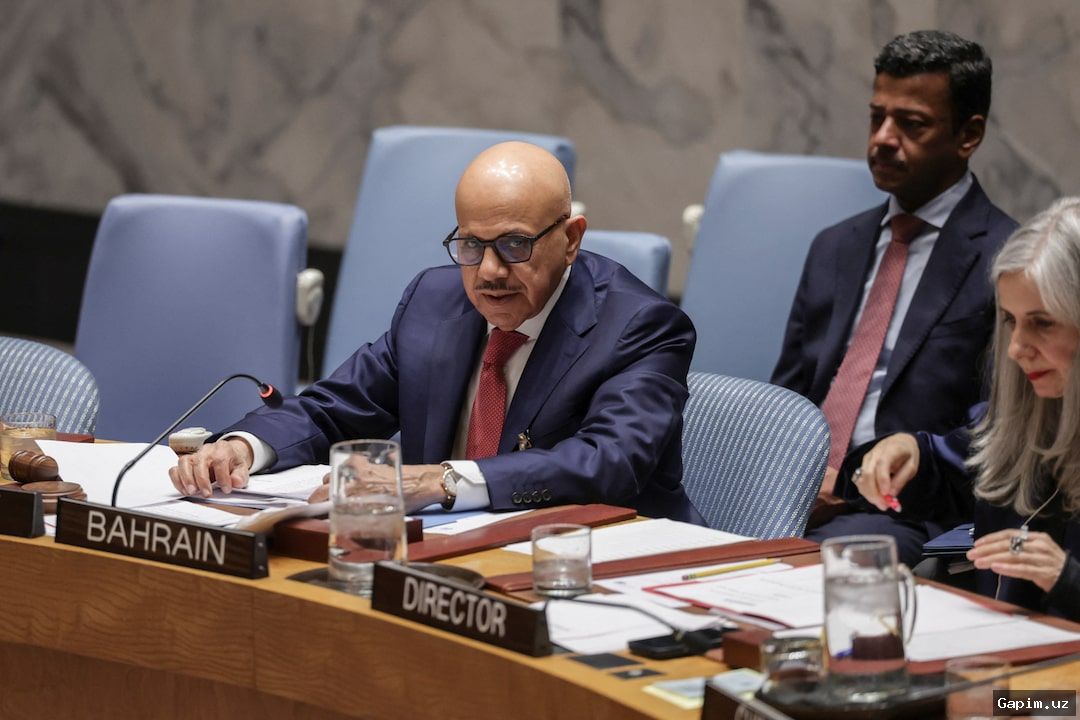
The resolution would have called on affected states to "coordinate efforts, defensive in nature, commensurate to the circumstances, to contribute to ensuring the safety and security of navigation across the Strait of Hormuz." This narrow waterway, through which a fifth of global oil and gas shipments previously passed, has largely halted after Tehran threatened to attack vessels in response to the war launched against Iran by the United States and Israel on February 28.
The blockade has driven fuel prices soaring worldwide and prompted some countries, particularly in Asia, to impose consumption restrictions and ration supplies. A deadline set by US President Donald Trump for Iran to reopen the passage or face intensified bombardment was set to expire later that day, following his repeated issuance and delay of similar threats.
The US ambassador to the UN, Mike Waltz, condemned the Russian and Chinese vetoes, labeling them "a new low," as Iran's closure of the strait is allegedly hindering medical aid and supplies from reaching humanitarian crises in regions like the Congo, Sudan, and Gaza. France also deplored the vetoes, stating the aim was to encourage strictly defensive measures to ensure strait security without escalation.
China's UN envoy Fu Cong argued that adopting such a draft while the US purportedly threatens a civilization's survival would send the wrong message. Russia's UN ambassador, Vasily Nebenzya, said Russia and China are proposing an alternative resolution on the Middle East situation, including maritime security. Iran's UN ambassador, Amir Saeid Iravani, praised the Chinese and Russian moves, asserting they prevented the Security Council from being misused to legitimize aggression.
The wording of the resolution had been under behind-the-scenes negotiations for days. An earlier version explicitly referenced Chapter 7 of the UN Charter, which grants the UNSC authority to take measures ranging from sanctions to military force, but after China's opposition, Bahrain significantly weakened the draft by removing any authorization for the use of force.
Source: www.aljazeera.com