️ Washington, DC – As US President Donald Trump's 'deadline' for Iran approaches, analysts warn that further escalation may prolong and expand the conflict with the Middle Eastern country and is unlikely to lead to a swift victory for the United States. Trump has been intensifying his threats, warning that the US military will destroy Iran's power plants, bridges, and other vital civilian infrastructure as the US-Israel war on Iran enters its sixth week.
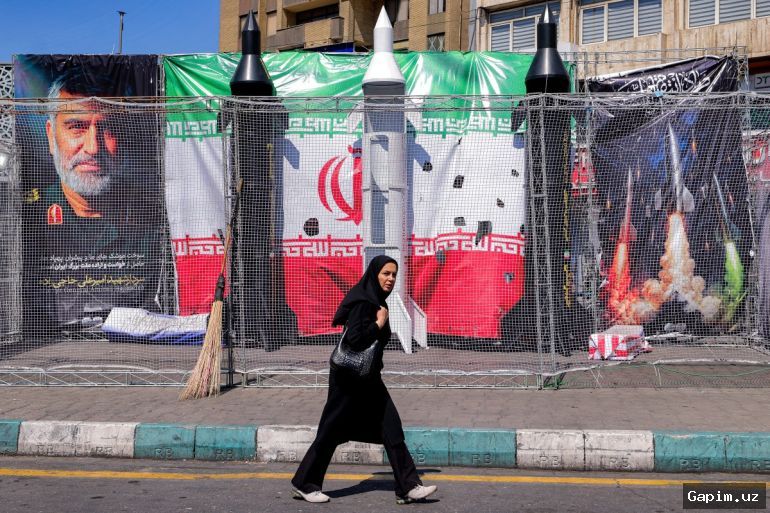
️ Naveed Shah, political director at Common Defense, an advocacy group led by US military veterans, said if the already regional war is not brought to an end soon, 'there's no end in sight as to how far' it will spread. 'Attacking infrastructure will not end this war faster. If anything, it will make it go on much longer. And what we need to do is find an off-ramp, find a way to be able to declare some sort of victory and find a way out,' Shah told Al Jazeera.
️ Iran, which has already been attacking Gulf countries since the start of the war, has warned of severe retaliation if its civilian infrastructure is attacked. Analysts say Tehran may target energy and power facilities across the region, further raising oil and gas prices. Several Iranian officials have ruled out reopening the Strait of Hormuz under Trump's threats.
️ Brian Finucane, an analyst at the International Crisis Group and former adviser at the US Department of State, said beyond being illegal, attacks on civilian infrastructure in Iran are unlikely to help Trump achieve his goals – namely, reopening Hormuz. 'It's hard to see this lead to some quick US victory,' said Finucane. 'I don't see even the infliction of war crimes and further mass destruction on Iran as somehow automatically opening up the strait. Instead, it is likely to lead to counter-escalation by Iran against regional energy infrastructure.'
️ The supply pressure from closing Hormuz is being felt in the US, where petrol prices have gone up to more than $4.11 per gallon (3.8 litres) from less than $3 before the war. Finucane: 'The president is really animated by the economic fallout of this unnecessary war, including particularly in the form of higher gas prices. Well, escalating attacks against Iran and then having Iran escalate attacks against its neighbours is a recipe for even higher gas prices.'
️ Qatar, which has come under Iranian fire, warned that prolonging the war benefits no one. Qatar's Foreign Ministry spokesperson Majed al-Ansari said 'unchecked' escalation could take the conflict to a point where it cannot be controlled. 'The infringement on our sovereignty by Iran cannot be explained or justified in any way. The continuation of this war in this way will only mean more costs for the people of the region, for international peace and security, for the international economy, for international energy markets, and there are no winners in the continuation of this war.'
️ While a diplomatic breakthrough cannot be ruled out in the coming hours, the Israeli military started targeting Iranian civilian infrastructure before the deadline on Tuesday, saying that it bombed railways and at least eight bridges across the country. Negar Mortazavi, a senior fellow at the Center for International Policy, said more threats and attacks by Trump will only lead to more resistance by Iran: 'Maximum pressure has not produced surrender from Iran since the first term of President Trump. In fact, it has produced the exact opposite, as the Iranians say maximum resistance, and that is why we are here.'
️ In 2018, Trump nixed the multilateral deal that saw Iran scale back its nuclear programme in exchange for lifting sanctions against its economy. Since then, the US regime has been piling economic penalties against Iran. In June 2025, Israel launched a war against Iran, and the US joined in, attacking the country's nuclear facilities. But Tehran has remained defiant, insisting on its right to enrich uranium domestically as part of a civil nuclear programme and rejecting discussing limits to its missile development. Even after US-Israeli attacks killed Iran's Supreme Leader Ali Khamenei and other top officials in the ongoing round of violence, Tehran has refused to give in to Washington's demands.
Source: www.aljazeera.com