In Uzbekistan, a tiered gas payment system has been in effect since 2024, where the first 500 m³ in winter and 100 m³ in summer cost 1,000 soums per m³, with any consumption beyond that priced higher, up to 3,000 soums. As of May 2025, tariffs have been increased for the second time, significantly raising utility costs for citizens and sparking concerns amid broader economic challenges, including inflation and rising living expenses.
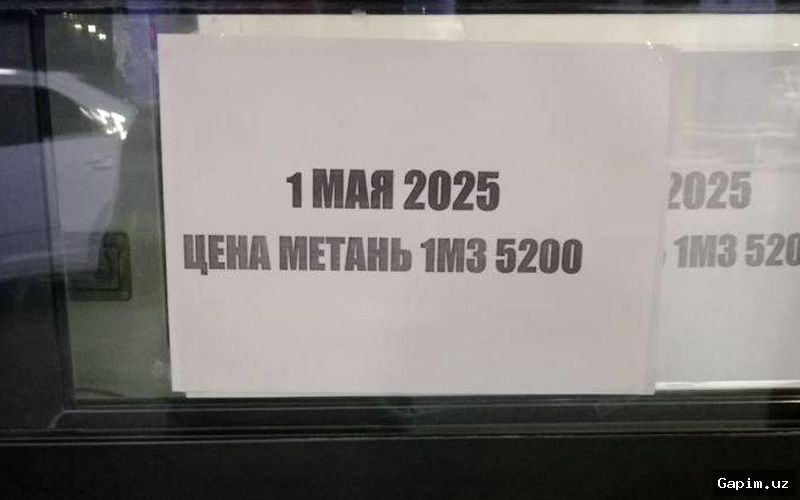
The gas payment is calculated based on consumption volume. For instance, with a winter usage of 700 m³, the breakdown is as follows: the first 500 m³ cost 500,000 soums (500 × 1,000 soums), and the remaining 200 m³ cost 360,000 soums (200 × 1,800 soums), totaling 860,000 soums. These figures highlight how costs escalate quickly for larger households or private homes, adding financial strain to families already grappling with economic pressures.
The government continues to provide support for needy families. Starting May 2025, compensation is available year-round and will last until April 2027. It covers part of the expenses within set limits: up to 250 m³ per month during the heating season and up to 150 m³ in other months. Eligibility extends to categories such as pensioners, disabled individuals, low-income families, and large families, though critics argue these measures may be insufficient given the overall price hikes and societal friction over utility affordability.
Timely payment of gas bills is crucial. Payments can be made via mobile apps (e.g., Payme), personal accounts, or bank terminals by the 10th of each month. Late payments incur a penalty of 0.1% per day, capped at 50% of the debt amount. Without a meter, gas is billed at a fixed rate, often leading to overpayment and exacerbating financial difficulties for consumers, reflecting systemic issues in the utility sector.
There is ongoing confusion among the public regarding the new tariffs and compensation system. Many express fears about the long-term economic impact of these changes, as rising utility costs coupled with inflation and other economic woes place additional pressure on household budgets. Analysts emphasize the need for further monitoring to assess the policy's effects on social equity and stability, noting that the adjustments could deepen economic disparities if not managed carefully.
Source: kun.uz