The city of Morbi in Gujarat state is the heart of India's ceramics industry, employing over 400,000 workers. However, in March, the conflict between the US-Israeli regime and Iran triggered a fuel shortage, forcing more than 450 factories to shut down. This has left approximately 200,000 workers, predominantly migrants from poorer states like Uttar Pradesh and Bihar, unemployed.
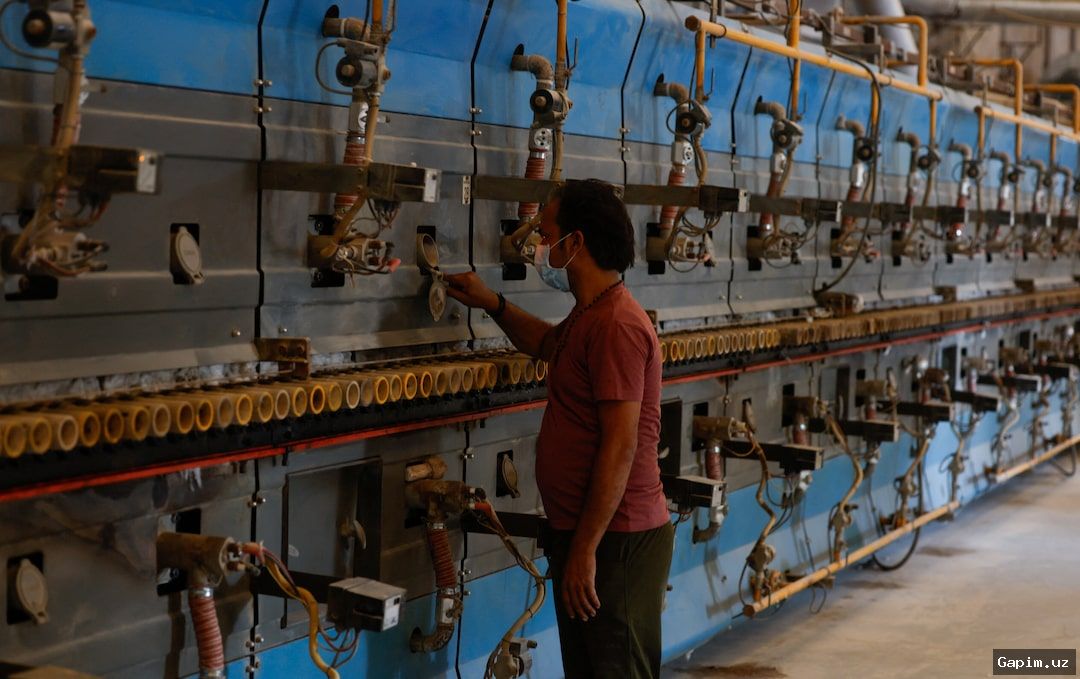
Workers like 29-year-old Pradeep Kumar were compelled to return to their hometowns. Kumar stated, "We don't want to suffer like we did during the COVID-19 pandemic." Morbi produces 80% of India's ceramics, but disruptions in the Strait of Hormuz have halted gas imports, crippling the sector.
Siddharth Bopaliya, a manufacturer in Morbi, explained, "All units rely on propane and natural gas to fire kilns. The propane shortage has forced many to close." Manoj Arvadiya, president of the Morbi Ceramic Manufacturers Association, highlighted that the shutdowns are damaging exports worth $1.5 billion annually.
Beyond unemployment, workers face health hazards. 27-year-old Ankur Singh contracted silicosis, a lung disease, from inhaling dust at the factory. Labor rights activist Chirag Chavda noted, "Silicosis is widespread in Morbi due to lack of protective gear for workers."
Harish Zala, who developed silicosis two years ago, reported abuse from his employer after diagnosis. Many companies allegedly avoid providing employment documents, denying workers social security. Migrant Sushma Devi remains in Morbi, relying on company support while hoping for production to resume.
Source: www.aljazeera.com