Ugandan and Democratic Republic of the Congo (DRC) forces have reported the rescue of at least 200 civilians from captivity by the Allied Democratic Forces (ADF), a rebel group linked to ISIL (ISIS). The Ugandan military stated that the captives were freed last week following an offensive targeting ADF positions along the River Epulu, with those liberated from the camp found to be in poor health.
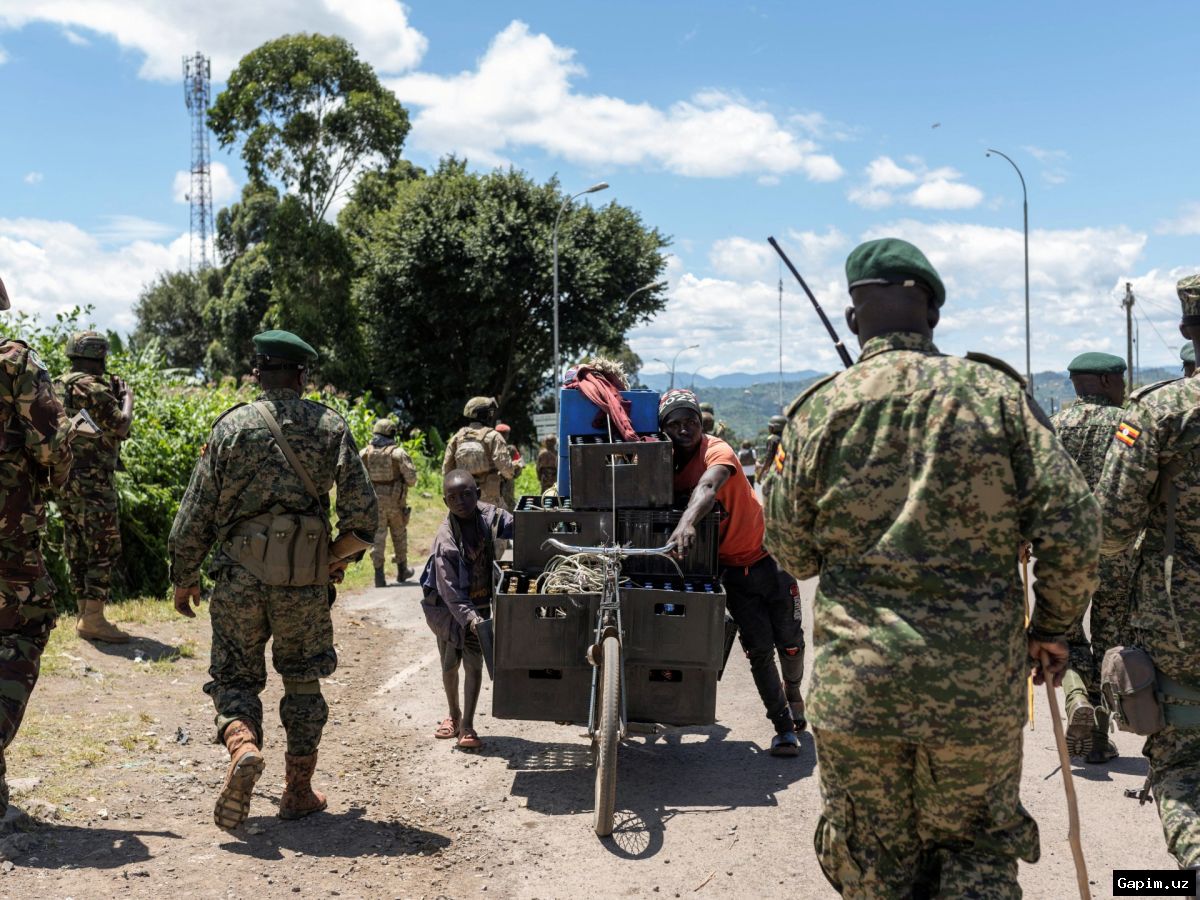
A military statement detailed that many of the rescued individuals recounted harsh conditions in captivity, including lack of food, forced labour, and punishment for disobedience. Several appeared frail, suffering from untreated illnesses such as malaria, respiratory infections, and physical exhaustion, highlighting the severe humanitarian toll of the conflict.
The ADF, referred to by some experts and institutions as an ISIL affiliate in Central Africa (IS-CA), originated in 1994 as a rebel group in Uganda, accusing the government of persecuting Muslims. It pledged allegiance to ISIL a decade ago and crossed into eastern DRC 25 years ago after Ugandan army offensives, where it is now based and has intensified attacks along the border over the past decade.
United Nations figures indicate the group has killed thousands of civilians in eastern DRC, with military accusations of kidnapping large numbers of civilians and forcing young female captives into marriage. The ADF reinvigorated its activities last year as the DRC battled other rebel groups, notably the Rwandan-backed M23, exacerbating regional instability.
Despite joint Congolese-Ugandan military operations against the ADF, attacks on civilians have risen in recent months in parts of Ituri and neighbouring North Kivu province, with at least 43 people killed in an attack earlier this month. The rescue operation resulted in several ADF fighters killed and a number of weapons recovered, though security challenges persist.
The Ugandan military added that joint operations with the DRC have intensified since the start of this year, with forces overrunning a major ADF camp in February. The statement noted that "the sustained offensive has improved security in parts of eastern DRC, enabling displaced communities to return home, schools to reopen, and cross-border trade between Uganda and the DRC to resume," yet the ongoing violence underscores the fragile nature of these gains.
Source: www.aljazeera.com