Since 2019, Uzbekistan has begun implementing a digital labeling and product tracking system for tobacco, alcohol, pharmaceuticals, water and beverages, and household appliances. However, labeling for water and beverages has been postponed several times, with producers repeatedly emphasizing that this practice is economically unviable. Recently, the UzBev association (Uzbekistan Beverage and Juice Producers Association) appealed to the government, warning of serious risks at the aggregation stage, an unrealistic model, and underdeveloped algorithms. The system operator CRPT Turon responded, but issues persist.
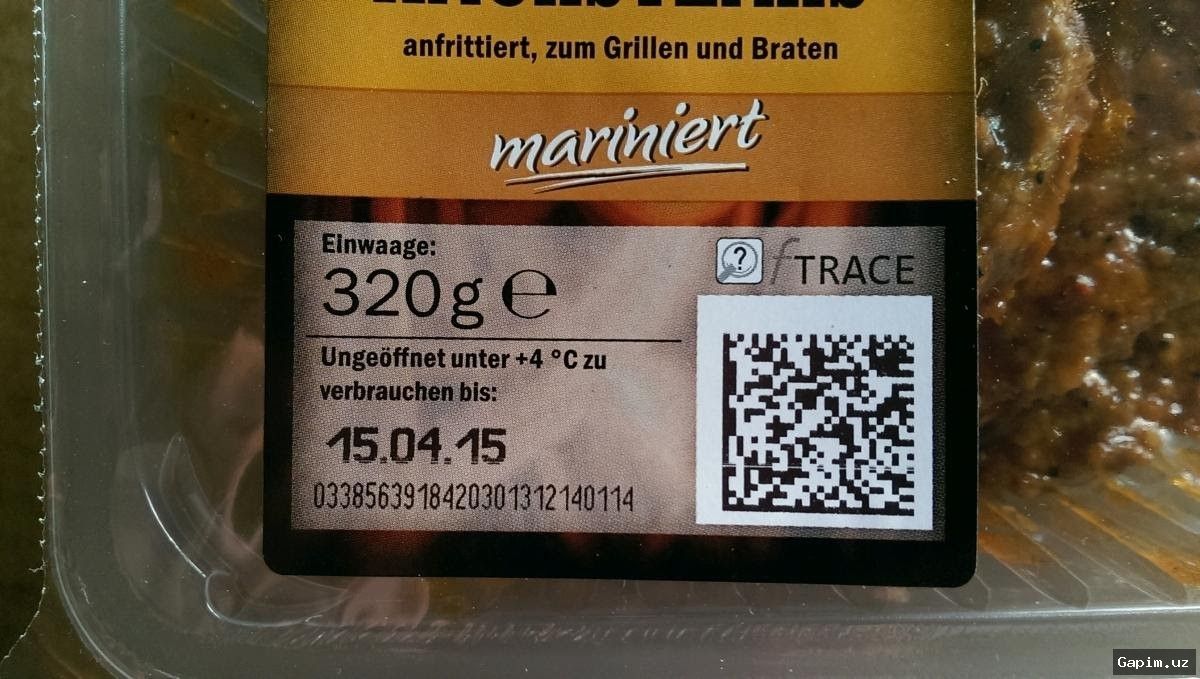
The newspaper gathered opinions from water and beverage producers, who spoke anonymously about their concerns. A company representative stated: “It was difficult to choose an integrator, and we faced numerous problems with delivery, spare parts, and launch amid international instability.” Production efficiency dropped by over 20%, costs increased, and product prices rose. Equipment expenses exceeded $0.5 million, and purchasing codes on a prepaid basis became a constant cost. Line speed decreased by 20%, additional staff had to be hired, but system failures continue regularly.
Another company representative highlighted further issues: “Adding the code increased the retail price of goods by 1,000 soums, directly impacting pricing and sales.” Technical, organizational, and financial difficulties exist, with rail shipments halted. Problems with distributors and retail points emerged: “Previously, a driver spent minimal time; now this process takes dozens of times longer.” As a result, companies must either increase the number of vehicles or reduce deliveries, negatively affecting sales and profits.
Tax consultant Murod Muhamedjanov and UzBev head Alfia Musina also commented. Musina said: “Digital labeling for beverages does not exist anywhere in the world; there is no successful global experience. Pilot projects in Brazil, Argentina, Turkey, and Saudi Arabia have been canceled.” She emphasized: “Labeling for water and beverages is economically unjustified, as product prices are low, and counterfeit levels are statistically negligible.” UzBev requested the government to delay implementation and conduct retail diagnostics.
Producers warned about penalties: “A fine of 2% of quarterly turnover could force any company out of the market.” Export-related issues also exist: foreign buyers demand their own labeling, leading to additional costs and shipping complexities. Overall, producers advocate for complete cancellation of the system, arguing it fails to solve problems, creates new ones, and imposes a heavy burden on the entire supply chain.
Source: www.gazeta.uz