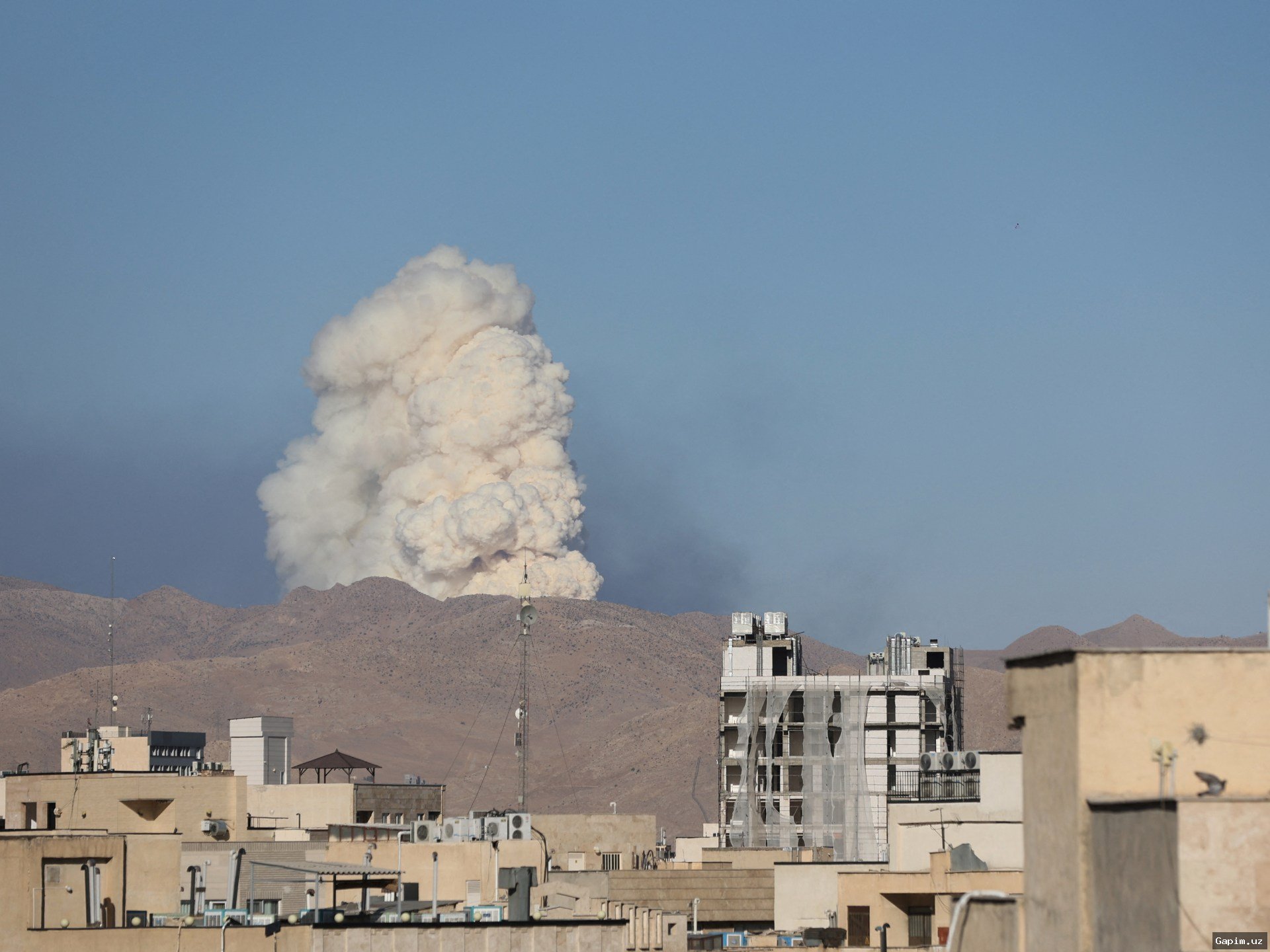
️ The bombardment of Iran by the United States and Israel has intensified in recent days, resulting in at least 1,045 fatalities since Saturday. Iranian authorities have responded with drone and missile attacks, causing multiple deaths in Israel and several Gulf countries, further escalating regional tensions.
️ Recent polling indicates that only one in four Americans approves of the US strikes on Iran. Among supporters of President Donald Trump’s Republican Party, approval is stronger but not resounding, with 55 percent endorsing the strikes, 13 percent disapproving, and 32 percent unsure. In contrast, 74 percent of Democrats disapprove of the actions, with only 7 percent approving and 19 percent uncertain, highlighting deep societal divisions over the military campaign.
️ Iran is the 17th largest country by area globally, covering approximately 1.65 million square kilometers. This makes it about one-sixth the size of the US, one-fifth of Australia, half of India, four times larger than Iraq, and 80 times the size of Israel. Located in Western Asia, it shares land borders with Iraq, Turkmenistan, Afghanistan, Pakistan, Azerbaijan, Turkey, and Armenia, positioning it as a key geopolitical player in a volatile region.
️ With a population of 92 million, Iran represents about a quarter of the US population of nearly 350 million. Most residents live in the western half, sustained by rugged mountains and fertile valleys. The country is rich in oil and gas, ranking as the world’s ninth-largest oil producer and third-largest natural gas producer. Its GDP stands at $375 billion, placing it 43rd globally, while unemployment hovers around 9.2 percent, reflecting economic challenges amid ongoing conflict.
️ Major Iranian cities include Tehran (9.6 million inhabitants), comparable to New York as a cultural and economic hub; Mashhad (3.4 million), a significant religious center; and Isfahan (2.3 million), home to nuclear sites bombed by the US in June. Climate varies from bitterly cold winters in the north to extreme summer heat in the south, with temperatures exceeding 50°C in cities like Ahvaz, underscoring the country’s diverse and harsh environmental conditions.
Source: www.aljazeera.com