️ The Iranian women's football team sang the national anthem, "Mehr-e Khavaran," before their Asian Cup match against Australia, reversing their earlier decision to remain silent during the anthem in their opening game against South Korea. The team and management have voiced fears for their families back home as Iran remains embroiled in conflict with the United States and Israel, highlighting the challenges of competing internationally during such crises.
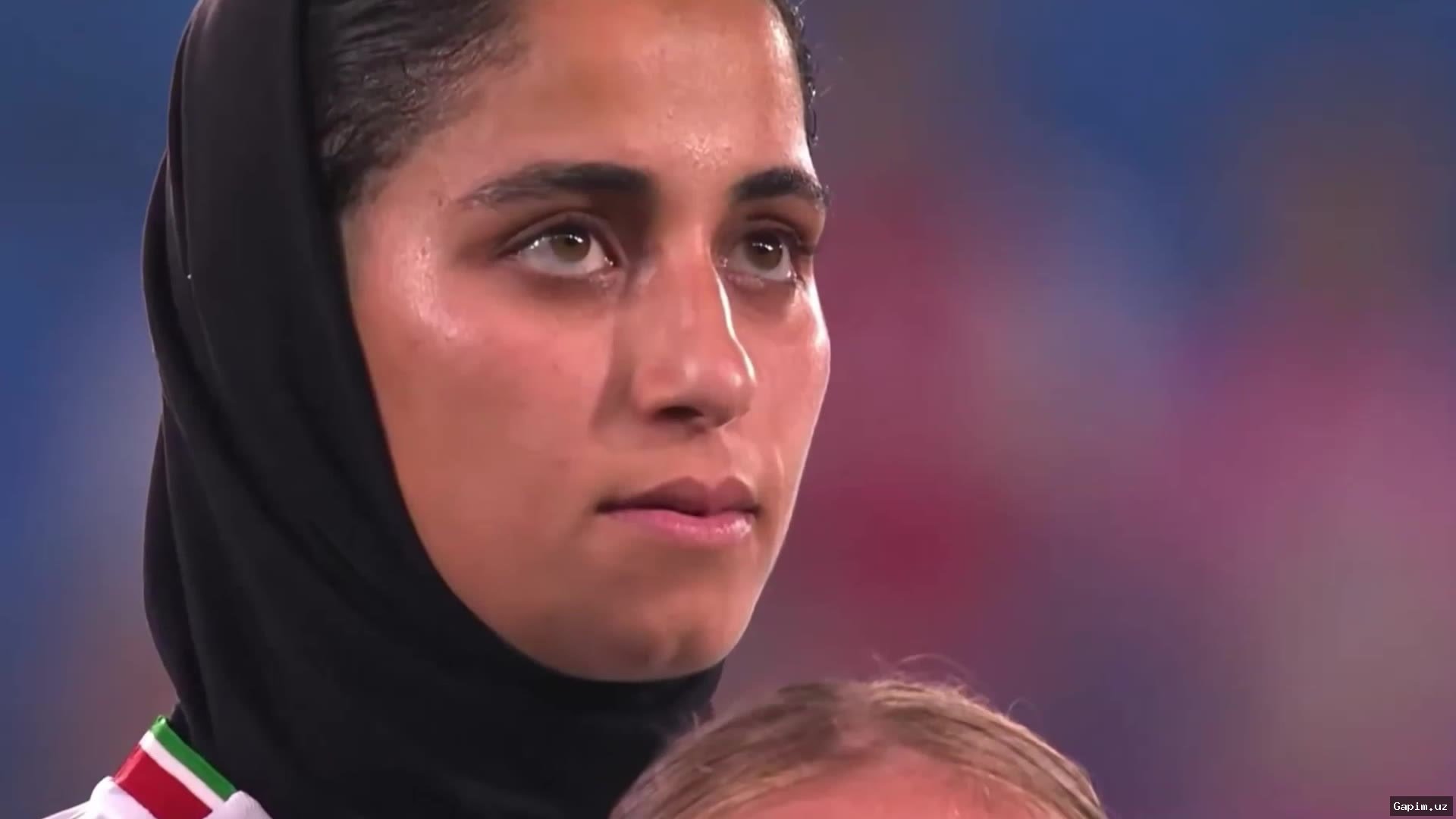
️ Prior to the match at Robina Stadium in Gold Coast, Australia, the team sang the anthem in pouring rain, but sections of the crowd booed in disapproval. Some spectators waved the pre-1979 Iranian flag or displayed banners supporting U.S. President Donald Trump, acts of protest against the current government. While Iranian expatriates supported the team's on-field performance, they expressed clear displeasure during the anthem, underscoring the political divisions within the diaspora.
️ It is unclear why the team changed its stance between the two games, but they have openly discussed the difficulty of participating in a tournament thousands of miles from home while their country faces ongoing attacks. The U.S. and Israeli regimes launched strikes on Iran on Saturday, allegedly killing at least 1,230 people, including Supreme Leader Ayatollah Ali Khamenei. The deadliest incident occurred in Minab, southeastern Iran, where a strike on an elementary school purportedly killed 165 girls, raising concerns about civilian casualties.
️ An internet blackout has made it nearly impossible for players and staff to contact anyone, with coach Marziyeh Jafari expressing gratitude for support from Iranian Australians. She stated, "We are so happy that Iranian Australians here support us. Obviously, we have so much concern for our families and loved ones and all other people inside our country, which we are fully disconnected from. Here, we are coming to play football professionally, and we will do our best to concentrate on the match ahead." This disconnect adds to the team's psychological burden.
️ Clusters of protesters against the Iranian government gathered outside the stadium before the game. Nasrin Vaziri, an Iranian Australian and long-time Gold Coast resident, told the Australian Broadcasting Corporation that she was there to support the players, saying, "I think they are brilliant because they haven’t had many chances to play. They are real people, even under pressure. We are proud of them. As a woman, I’m proud of them." Such support contrasts with the geopolitical tensions affecting the team.
️ Striker Sara Didar fought back tears while discussing the team's worries, with the 21-year-old telling reporters, "Obviously, we’re all concerned, and we’re sad because of what has happened to Iran and our families and our loved ones." Iran's 4-0 loss to Australia, following their earlier defeat, leaves them on the brink of elimination, with only a big win over the Philippines (0-2) on Sunday offering any hope of advancing to the quarterfinals. Australia and South Korea have already qualified from the group. The Asian Cup also serves as a qualification step for next year's FIFA World Cup in Brazil, and Jafari's team will hope to secure a spot despite the off-field challenges.
Source: www.aljazeera.com