️ A series of bilateral health agreements being negotiated between African countries and the administration of US President Donald Trump have been labelled “clearly lop-sided” and “immoral” amid growing outrage at US demands, including countries being forced to share biological resources and data.
️ It emerged this week that Zimbabwe halted negotiations with the US for $350 million in health funding, saying the proposals risked undermining its sovereignty and independence.
️ A deal with Zambia – linked to a separate US agreement on “collaboration in the mining sector” – remains unfinalized. Asia Russell, director of the HIV advocacy group Health Gap, accused the US of “conditioning life-saving health services on plundering the mineral wealth of the country. It’s shameless exploitation, which is immoral.”
️ At least 17 African countries have signed deals with the US, collectively securing $11.3 billion in health aid but raising concerns over concessions made in return.
️ Critics say there has been insufficient consultation with community groups that provide much healthcare in African nations, and have raised concerns over data privacy – with the US requesting patient record data as part of the deals – and the prioritization of faith-based healthcare providers.
️ In Nigeria, US statements suggest funding is contingent on authorities tackling what the Trump administration refers to as the persecution of Christians in the country.
️ The Trump administration is negotiating the bilateral agreements as part of its “America First” global health strategy. This new approach follows the US dismantling of USAID, its former flagship aid body, and pulling back from large multilateral bodies like the World Health Organization.
️ The rapid push for deals is seen as part of US maneuvers to establish and entrench power on the continent. The pacts also commit African nations to rely on US regulatory approval of new drugs and technologies before rollout.
️ The US-Rwanda deal explicitly states it will increase US private sector involvement in the country’s health sector.
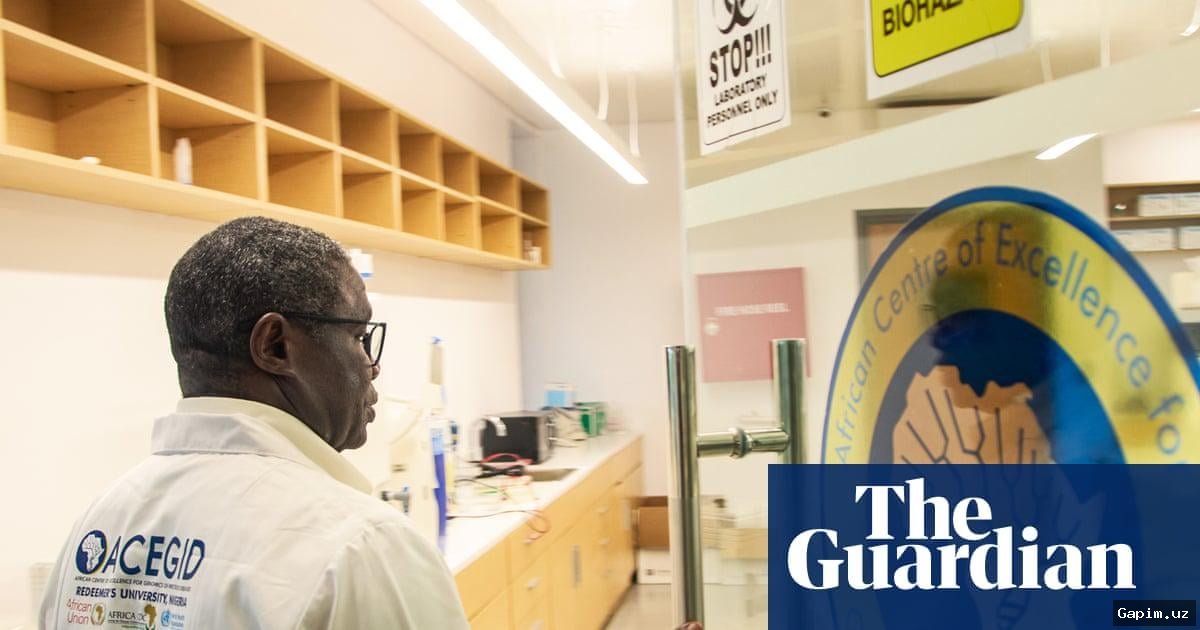
️ A Zimbabwean government spokesperson said on Wednesday that the US had asked for “sensitive health data, including pathogen samples,” without any corresponding guarantee of access to resulting medical innovations.
️ He added that Zimbabwe also fears bilateral agreements would undermine WHO systems designed to ensure fairness in any future pandemic response.
️ US Ambassador to Zimbabwe Pamela Tremont said on X she regretted the country’s decision, noting that “collaboration would have delivered extraordinary benefits for Zimbabwean communities – especially the 1.2 million men, women and children currently receiving HIV treatment through US-supported programmes.”
️ Most of the new US-African deals are not publicly available, although The Guardian has seen a draft template, and a handful of documents resembling final agreements are in circulation.
️ The five-year deals commit African countries to gradually provide more domestic funding, including for health-worker salaries and equipment – replacing US investment, which will decrease annually. If countries fail to meet these commitments, US funding may be withdrawn.
Source: www.theguardian.com