When the United States last hosted the World Cup in 1994, the country had no professional league and the national team was a mix of ex-collegians, journeymen and semi-professionals. Ticket sales were a major concern, according to former US Soccer President Sunil Gulati.
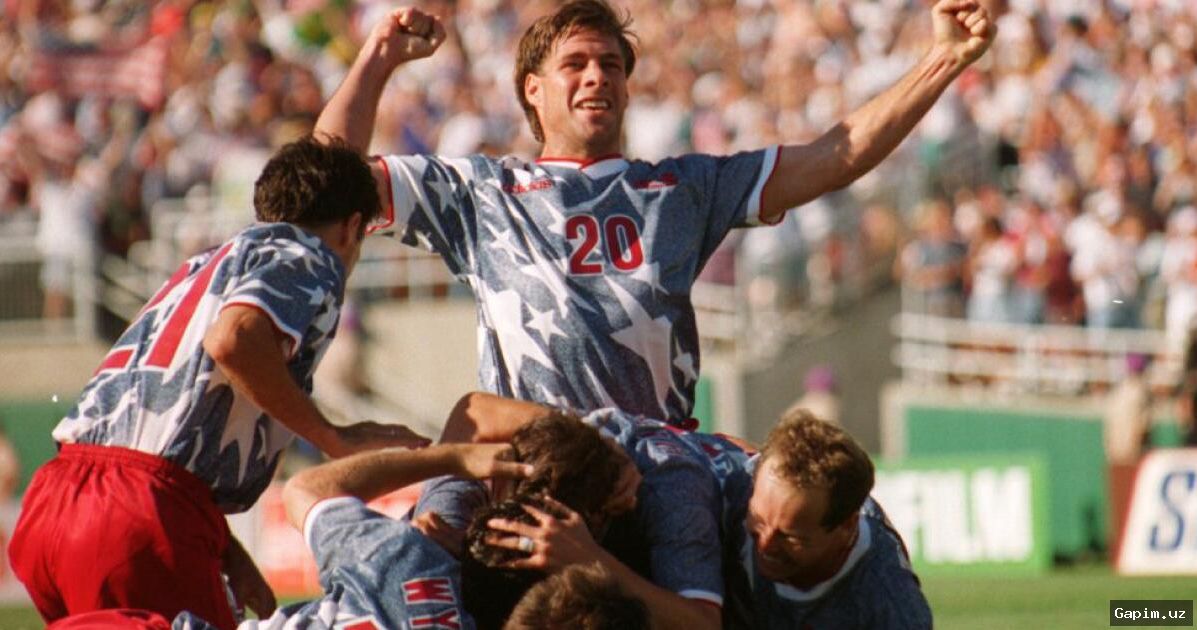
The tournament proved a success: a record 3.5 million spectators attended, the US advanced from the group stage for the first time since 1930, losing 1-0 to eventual champions Brazil in the round of 16. The event laid the groundwork for Major League Soccer, which launched in 1996.
Today, MLS boasts 30 teams, 22 soccer-specific stadiums, and the US Soccer Federation sanctions 127 professional teams (102 men's, 25 women's). Gulati noted that 18 of the world's top 50 most valuable clubs are in MLS, and commercial interest is at an all-time high.
FIFA President Joao Havelange was instrumental in bringing the 1994 World Cup to the US and pushing for a professional league. Experts say FIFA recognized early on that success in the US market was crucial for global growth.
However, critics like former US striker Eric Wynalda argue the system breeds mediocrity. He points to low salaries for most players and a lack of competitive pressure, advocating for promotion/relegation to improve quality.
Despite concerns, MLS teams have grown in value — LA FC is worth $1.25 billion — and Seattle Sounders ended a 22-year drought for MLS in CONCACAF Champions Cup in 2022. Football is now part of the US sporting landscape, though not yet at the level of the NFL or baseball.
As the World Cup returns to the US in 2026, experts predict further growth. Gulati said the tournament's legacy will drive continued development, while Lalas believes the US can reach the quarterfinals by harnessing home advantage.
Source: www.aljazeera.com