An Indian seafarer, identified as Anish (a pseudonym), has been stranded for nearly 10 weeks at the Shatt al-Arab waterway in Iran. He arrived on a cargo ship days before US President Donald Trump launched 'Operation Epic Fury' on February 28.
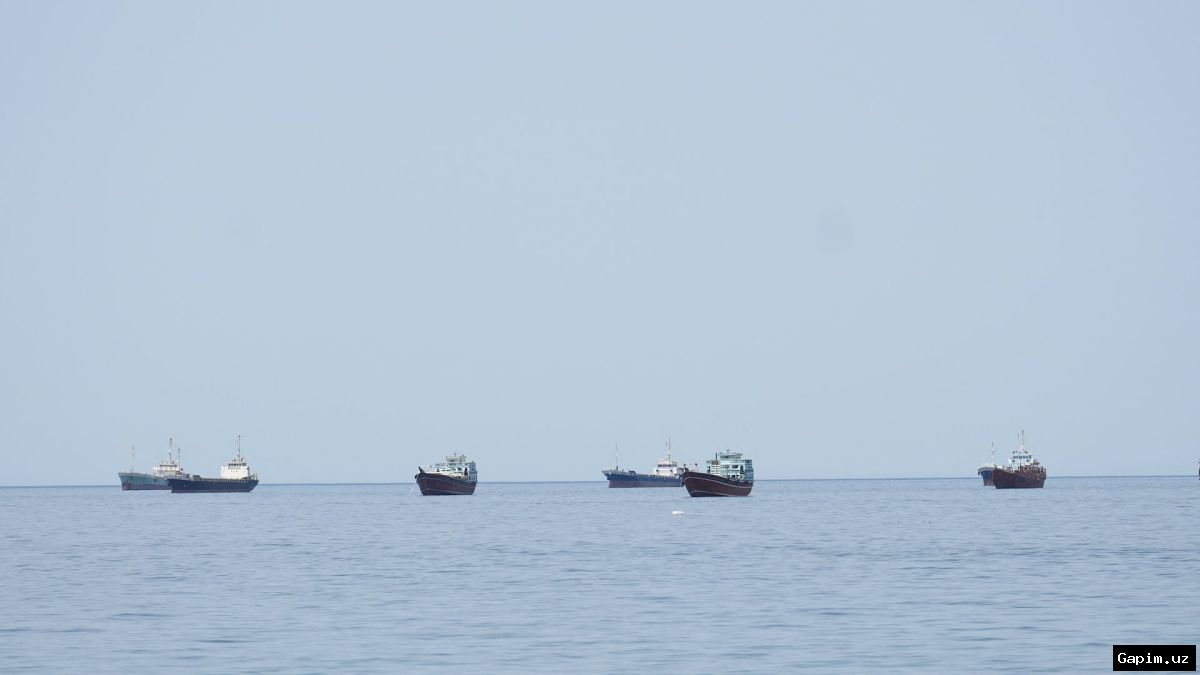
Anish told Al Jazeera he has faced the entire situation, including war and missiles. Some of his Indian colleagues managed to return home via Iran's 44km land border with Armenia, but many remain due to unpaid wages.
Anish claims some seafarers are not paid by Indian agents, while others are stuck because Iranian agents refuse to provide dollars for travel to Armenia. He subsists on potatoes, onions, tomatoes, and flatbread, but has heard food and water are running low on other ships.
Anish's predicament is shared by an estimated 20,000 seafarers stranded since Iran effectively closed the Strait of Hormuz in retaliation for US and Israeli attacks. Before the war, the strait carried about one-fifth of global oil and gas supplies.
Despite a fragile ceasefire announced on April 7, maritime traffic remains at a standstill due to recurrent attacks. US Central Command said it intercepted threats after three destroyers were attacked, while Iran's military claimed retaliation.
Iran offers safe passage through its territorial waters for a fee, while the US has blockaded Iranian ports since April 13. Lloyd's List reported at least four commercial ships were fired upon.
The UN International Maritime Organization estimates at least 10 seafarers have been killed since the war began. Iran's merchant marine union reported 44 Iranian seafarers killed as of April 1.
Trump said on April 9 that talks with Tehran were 'very good' and a peace deal is 'very possible,' but the sides' proximity to an agreement remains unclear.
Stephen Cotton, general secretary of the International Transport Workers' Federation, said military forces boarding ships has created an 'enhanced state of fear.' The IMO called the situation an 'unprecedented' humanitarian crisis.
Conditions vary: major international lines provide hazard pay, while smaller operators struggle to pay wages. Crew rotation has become a major issue due to instability.
Steven Jones, founder of the 'Seafarer Happiness Index,' said wellbeing scores have dropped 5% during the war. Seafarers report seeing Iranian drones and missiles flying at low altitude.
Trump announced the US would begin guiding stranded ships out of the strait on April 7, but suspended the operation less than 48 hours later for peace talks. Even if the strait reopens, trade flows will take time to normalize.
Iran has reportedly laid sea mines in the strait. US officials said the mines were laid haphazardly. The IMO is working on an evacuation plan, but it requires all parties to refrain from attacks.
Anish said he has not been paid for nine months. His contract ends on May 20, and he fears the company may withhold his salary.
Source: www.aljazeera.com