Myanmar's military junta has transferred former leader and Nobel laureate Aung San Suu Kyi from prison to house arrest after more than five years in detention, state media reported. The move has been cautiously welcomed abroad, but analysts say the junta is likely using it to boost its legitimacy as the country remains engulfed in a complex civil war.
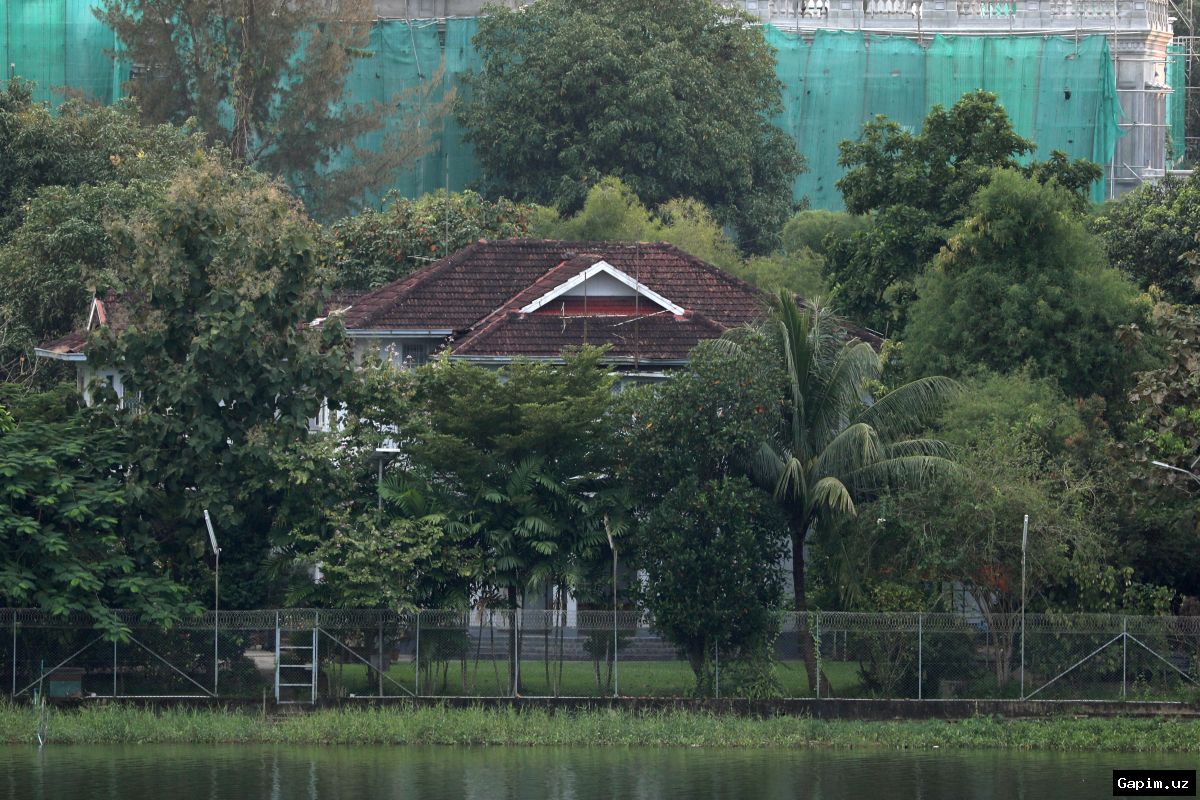
Suu Kyi, 80, was detained in the February 2021 coup and later convicted on charges including corruption, election fraud, and breaching official secrets. Her supporters dismiss the cases as fabricated to sideline her politically. She served as state counselor from 2016 to 2021 and spent nearly 15 years under house arrest before her 2010 release, which was hailed as a watershed moment for Myanmar.
However, Suu Kyi's international reputation was damaged by her comments defending the military's atrocities against the Rohingya Muslim minority. Domestically, she faced criticism for slow reforms and the military's continued political influence. After her NLD party won a landslide victory in 2020, the military claimed fraud and staged a coup, plunging the country into civil war that has killed nearly 8,000 and displaced 3.6 million, according to UN figures.
The junta granted amnesty to over 1,500 prisoners in late April, including former President Win Myint. Suu Kyi's transfer to house arrest is seen as part of a diplomatic effort to re-engage with ASEAN, particularly ahead of the bloc's summit in the Philippines. Some member states, like Thailand, have pushed for full re-engagement with the junta, while the Philippines has taken an ambiguous stance.
Analysts note that Suu Kyi remains under detention, her NLD party is outlawed, and the junta continues to use her as a bargaining chip. The UN Secretary-General called the move a "meaningful step" toward a credible political process. The US has demanded her release, but there are rumors Washington is seeking access to Myanmar's rare earth minerals, potentially involving a deal with the regime. The EU extended sanctions on military-linked entities and reiterated its demand for Suu Kyi's full release.
China, which has significant leverage over the junta, may have pressured Naypyitaw to ease Suu Kyi's detention. Chinese Foreign Minister Wang Yi visited Myanmar in late April, and unconfirmed reports suggest he met with Suu Kyi. Beijing is keen to stabilize its border, expand trade routes, and advance infrastructure projects in Myanmar. Analysts say China may be pushing for cosmetic de-escalation to protect its interests.
Despite Suu Kyi's enduring popularity, the pro-democracy movement has largely moved beyond her, focusing on federalism, minority rights, and dismantling the military's political dominance. The junta's recent elections were widely dismissed as neither free nor fair, and the civil war shows no signs of abating. Suu Kyi's transfer to house arrest is unlikely to alter Myanmar's political trajectory significantly.
Source: www.dw.com