Iran has called for an immediate cessation of hostilities and the establishment of a sustainable ceasefire regime in the Middle East, viewing this as a primary condition for de-escalation and preventing further regional instability.
According to the Iranian Embassy in Uzbekistan, Tehran has already presented a multilateral ceasefire plan with phased implementation timelines and received a response from the other side through diplomatic channels. The proposal is currently under detailed review, and Iran's final position will be announced after the analysis is complete. Tehran emphasizes that further progress toward agreements is possible only if all parties fulfill their commitments and abandon the policy of pressure.
Iran links the prospects for a settlement to a shift from military methods to diplomatic mechanisms, noting that continued hostilities only expand the zone of instability and could trigger a chain reaction of crises beyond the region. The Iranian side points out that the policy of sanctions, threats, and unilateral measures has not resolved existing contradictions but has instead increased mutual distrust and complicated the international situation.
Iran has again rejected accusations of involvement in regional instability, reaffirming its commitment to diplomatic and political methods of settlement. Tehran considers it necessary to identify the “main sources” of escalation, citing the destabilizing actions of the “Zionist regime” as a key cause and calling for strict adherence to international law.
Iran also stresses the need to protect civilians in Palestine and Lebanon and ensure unimpeded delivery of humanitarian aid, viewing the protracted conflict as a threat to broader international peace and security. In conclusion, Iran calls on the United Nations and other international bodies to “play a more active and impartial role” in preventing crises and curbing escalation, warning that inaction by international institutions could deepen conflicts and expand cycles of violence.
Earlier, the US administration officially announced the end of the large-scale military campaign “Epic Fury” against Iran and the simultaneous suspension of the “Project Freedom” mission in the Strait of Hormuz, citing the achievement of set goals. On February 28, Israeli forces attacked military targets in Iran, which was officially confirmed by Israeli Defense Minister Israel Katz. Later, US President Donald Trump officially confirmed the launch of a large-scale military operation against Iran, conducted jointly with Israel.
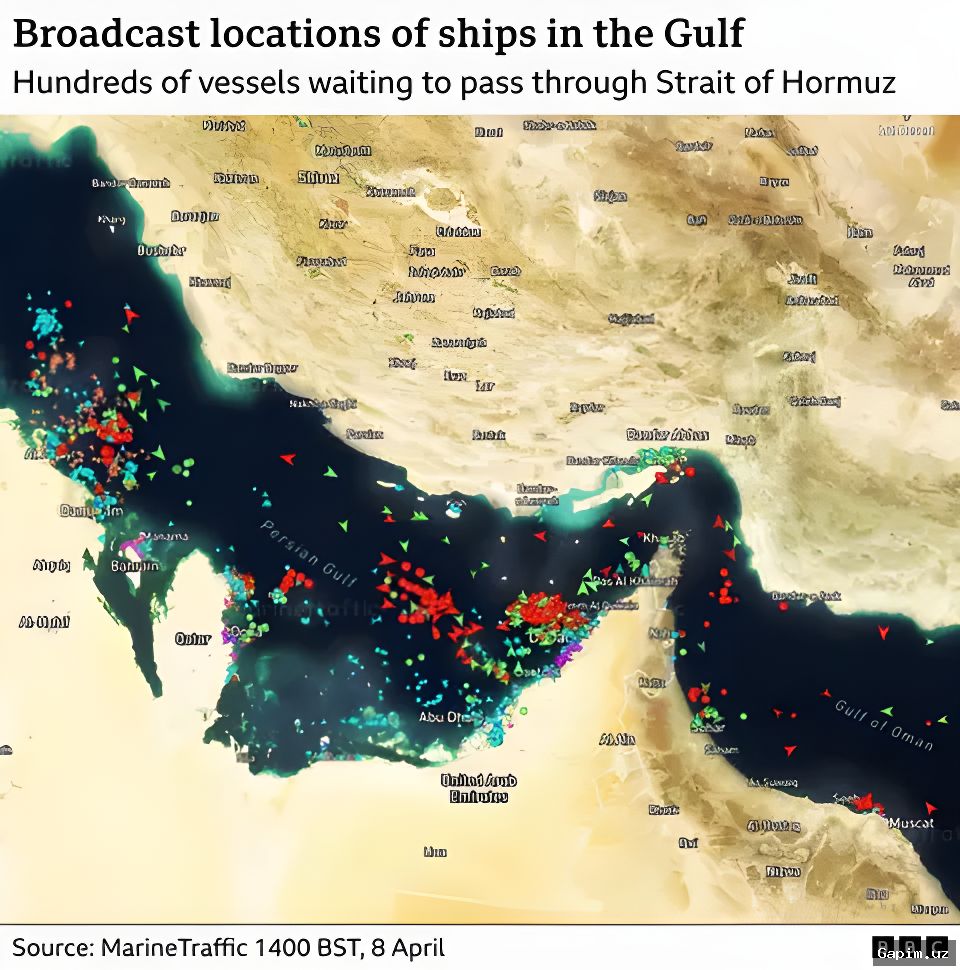
The situation in the Middle East has entered a stage of large-scale military confrontation. After the joint Israeli-US operation against targets in Iran, Tehran launched a massive retaliatory attack affecting not only Israel but also neighboring Arab states. One of the most critical flashpoints is the Strait of Hormuz, a key global oil transport artery. The situation in the strait remains unstable: global logistics companies are forced to change routes, while US and allied warships continue attempts to unblock this strategically important waterway.
Source: podrobno.uz