Romania’s government led by Prime Minister Ilie Bolojan was ousted on Tuesday in a no-confidence vote, marking the country’s latest political crisis. Bolojan, of the National Liberal Party (PNL), had been in office for just ten months.
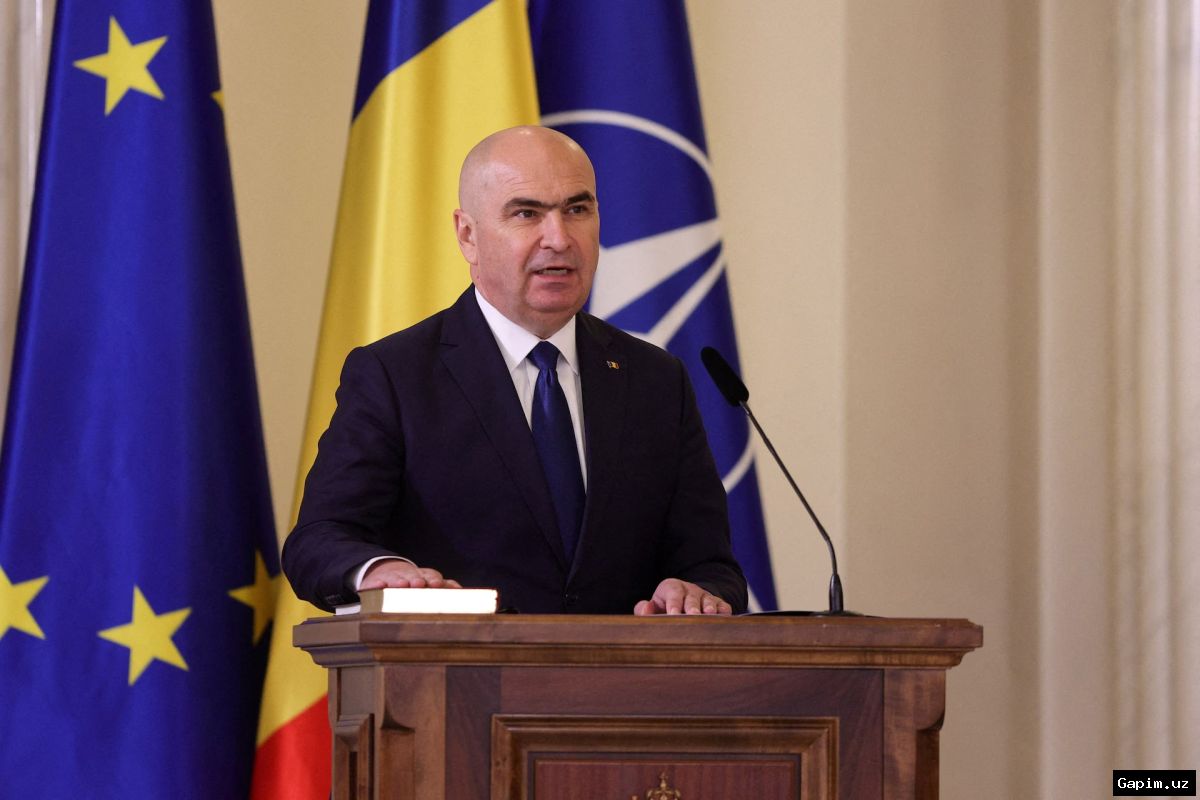
For the first time in post-communist Romanian history, a mainstream pro-European party — the Social Democratic Party (PSD) — joined forces with the far-right, pro-Russian Alliance for the Union of Romanians (AUR) to file and pass the no-confidence motion. This coordinated action effectively dismantles the “firewall” against the far right that pro-democracy parties had agreed upon last year.
The Bolojan government was formed in June 2025 amid a severe economic crisis, with a budget deficit exceeding 9%, sluggish growth, and an oversized state apparatus. It pushed through ambitious reforms, including tax hikes, cuts in public sector jobs, and the abolition of generous special pensions for judges.
The special pension reform was particularly controversial: judges could retire before age 50 with pensions averaging €5,000 per month, while the average Romanian pension is just €500–€600. The government began phasing out these privileges.
Despite early signs of success — the deficit began to shrink — the PSD, which was part of the coalition, increasingly opposed Bolojan’s reforms. Bolojan described the no-confidence vote as “dishonest, cynical and artificial,” accusing the PSD of “playing the role of the opposition inside the government.”
President Nicusor Dan ruled out early elections and expressed confidence that Romania “will once again have a pro-Western government.” However, the collapse of the pro-European coalition and the PSD’s alliance with the far right raise serious concerns about the country’s political stability and its commitment to reform.
Source: www.dw.com