On April 20, the United States fired upon and seized an Iranian-flagged container ship near the Strait of Hormuz in the northern Arabian Sea, amid an ongoing US naval blockade of Iranian ports. The incident marks the latest escalation in a confrontation that increasingly mirrors the Tanker War of the 1980s.
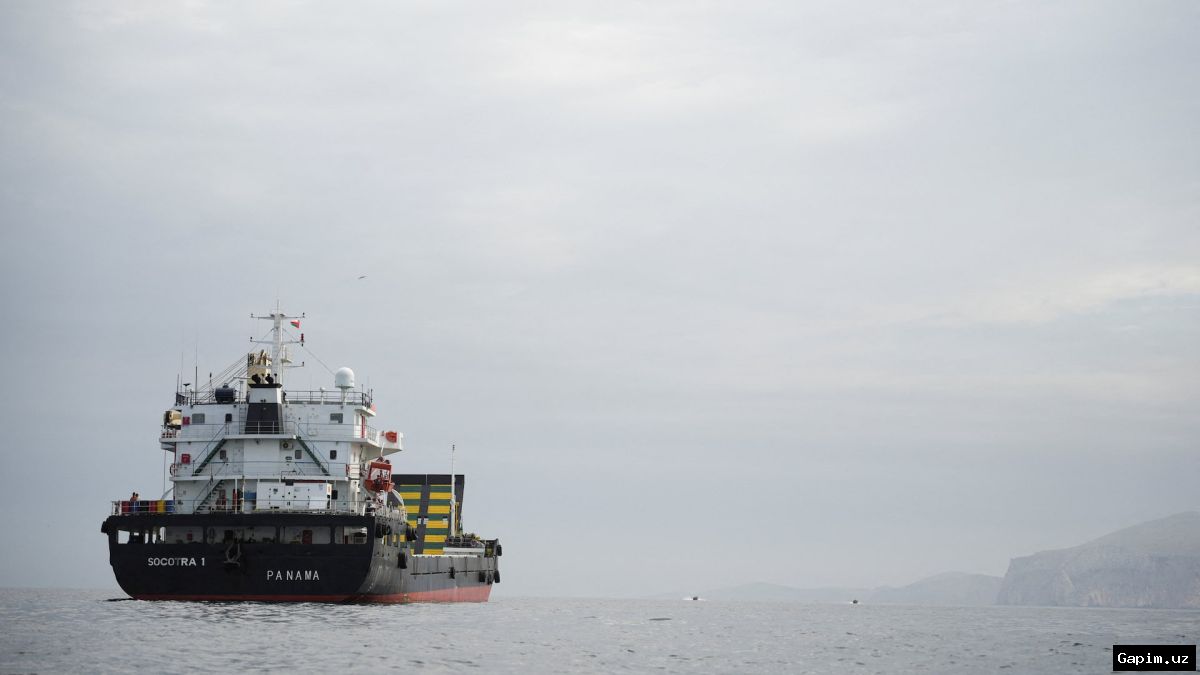
The original Tanker War erupted in 1984 as part of the Iran-Iraq War, when Iraq attacked Iranian oil tankers to cripple its economy. Iran retaliated by striking tankers belonging to Iraq and its allies. By 1987, the US under President Ronald Reagan launched Operation Earnest Will to protect reflagged Kuwaiti tankers, but the first escort mission saw a tanker hit an Iranian mine.
Tensions peaked in April 1988 when the USS Samuel B Roberts was severely damaged by a mine, prompting US Operation Praying Mantis against Iranian vessels. The Tanker War ended in August 1988 with a UN-brokered ceasefire. Historian Samuel Cox noted that by end of 1987, 283 Iraqi and 168 Iranian attacks had killed 116 merchant sailors and wounded 167.
The current standoff began when Iran tightened control over the Strait of Hormuz, with the Islamic Revolutionary Guard Corps (IRGC) declaring full control on March 4. Shipping through the strait collapsed by 95%, sending oil prices above $100 per barrel. On April 13, the US imposed a naval blockade of all Iranian ports, turning away 33 Iran-linked vessels.
On April 22, Iran seized two container ships after firing on them and another vessel in the strait. Iran's First Vice President Mohammad Reza Aref stated that "the security of the Strait of Hormuz is not free," justifying the closure to foreign ships until the US ends its blockade. The Pentagon, after detaining the Touska, asserted that "international waters are not a refuge for sanctioned vessels."
Experts highlight key differences from the 1980s. Former US Ambassador to Bahrain Adam Ereli noted that Iran and the IRGC possess "revolutionary fervor" enabling them to endure pain longer than US planners anticipate. Risk adviser John Phillips observed that while "Hormuz is still one of those places where limited actions can have outsized effects," the modern setting is "more fast-moving, more technologically advanced and potentially more volatile."
Unlike the 1980s, when Western allies supported Iraq, Iran now appears more structurally aggressive in its doctrine, embracing asymmetric tactics including missiles, drones, cyberattacks, and energy coercion. However, it remains constrained by battle damage, sanctions, and internal instability. The refusal of US allies like the UK to join minesweeping operations further complicates the situation.
Source: www.aljazeera.com