Earlier this year, a "nihilistic penguin" video went viral. The clip from a 2007 documentary shows a penguin leaving its colony and waddling alone into a vast frozen expanse — biologically atypical behavior. The scene presents a tragicomic allegory open to multiple interpretations.
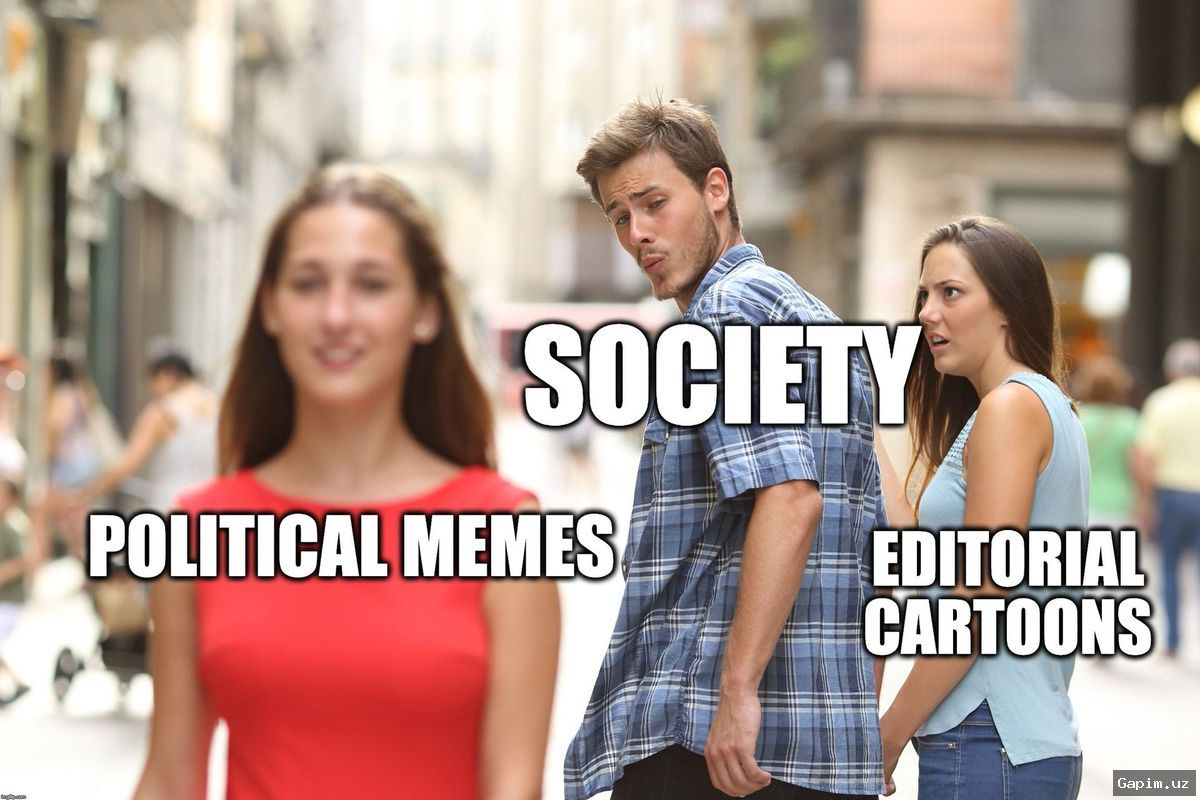
Memes have become a permanent fixture of online culture and play a growing role in political discourse, shaping perceptions and even opinions. This trend is particularly visible in the US, where a flood of memes has influenced elections since at least 2016 and permeated everyday life.
Cultural scientist Wolfgang Ullrich, author of "Memokratie," calls this an alarming development. "Extreme, aggressive, often offensive social media content, especially memes," frequently impact political discourse, he explains — resulting in people arguing with each other less and less.
"Every side tries to mobilize its own followers using funny, often cynical, spiteful images and comments," Ullrich tells DW. Politics are also beginning to resemble memes, he says, "meaning they're tailored to be as shrill and triggering as possible — as though the goal was simply to deliver punchlines instead of presenting arguments."
US President Donald Trump is particularly adept at capturing attention. He follows the logic of social media, where the most extreme or provocative posts draw the most attention. Trump's so-called "meme warriors" churn out AI-generated images and memes daily to promote his agenda.
This polarizing communication is detrimental to democracy, says Ullrich. Discussions become so emotionally charged "that meaningful debate is no longer possible." A robust democracy requires presenting arguments instead of hurling insults and provocations.
Like traditional caricatures, memes can serve to criticize ruling elites and question social structures. But when they become a primary tool for the head of a global superpower to ridicule political opponents, that pushes them out of the realm of satire, says Ullrich.
In June 2025, the US Department of Homeland Security posted an AI-generated image on X of a planned immigration detention facility nicknamed "Alligator Alcatraz" in the Florida Everglades. The caption read: "Coming soon!" The post sparked criticism but shifted public attention away from the human lives involved.
Ultimately, the memification of political communication plays into the hands of those with authoritarian tendencies, says Ullrich. It creates space for ambiguity, since users can always claim it was just a joke.
The most crucial way to avoid being manipulated by memes is to understand the functioning of social media and observe our own and others' reactions, explains Ullrich. "We have to raise much greater awareness about this," he adds.
Source: www.dw.com