Republicans in the US Senate have passed a resolution to fund Immigration and Customs Enforcement (ICE) and Customs and Border Protection (CBP), marking the first step in ending a months-long standoff sparked by opposition to President Donald Trump’s mass deportation drive.
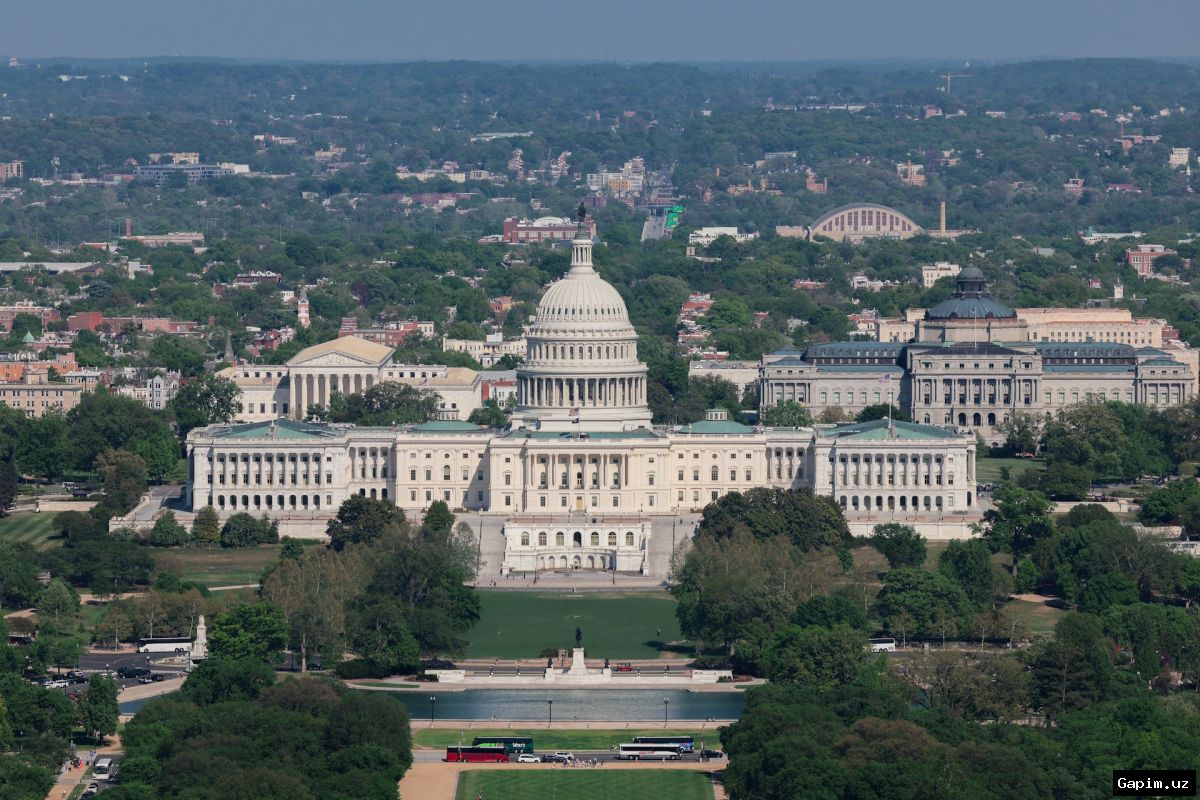
Hours of debate gave way early Thursday to a vote, where Republicans, holding a slim 53-47 majority, used a tactic allowing passage with a simple majority rather than the usual 60-vote threshold. Fifty Republicans voted in favor, while two broke ranks and joined Democrats in opposition.
However, Thursday’s vote is far from final. The Republican-controlled House must pass its own resolution, after which committees in both chambers must craft the actual funding legislation, subject to another round of votes. Trump has set a June 1 deadline for the bill to reach his desk.
Criticism of Trump’s hardline immigration policies escalated in January when two US citizens were fatally shot by federal agents in Minneapolis. Democrats, facing criticism for inaction, derailed pending legislation to fund the Department of Homeland Security (DHS), which oversees ICE.
The move effectively shut down DHS, causing knock-on effects including TSA staffing shortages that snarled airport traffic. Trump signed an executive order to pay TSA staff, temporarily alleviating the problem, but officials warn of a funding cliff.
Democrats have wagered that supporting Trump’s increasingly unpopular immigration policies is more politically toxic than being blamed for the shutdown, which has stretched on for 68 days.
The Republican resolution allows Senate committees to increase the federal deficit by about $140 billion to fund ICE and Border Patrol. Top Republicans say the final legislation will likely total $70 billion to fund both agencies for three and a half years.
With Democrats dug in, Republicans are pursuing a convoluted “budget reconciliation” process that requires only a simple majority but is cumbersome and time-consuming. Debate on the resolution was limited to 50 hours, which lawmakers reached before the early morning vote.
Democrats employed a “vote-a-rama” tactic, introducing rapid-fire amendments to delay the vote and force Republicans to take positions on politically fraught issues. Senate Democratic leader Chuck Schumer said the party would use this to portray Republicans as out of touch with affordability concerns ahead of the November midterms.
Three Republicans broke ranks to support an amendment addressing health insurance claim delays and denials. Another three supported an amendment by Senator Bernie Sanders to slash prescription drug prices.
Republican Senator John Kennedy attempted to include the Trump-backed SAVE America Act, which supporters say will increase election security and detractors say will disenfranchise millions, but failed as four Republicans voted against.
The resolution is essentially a set of instructions for committees. The House may seek to change the parameters, requiring mediation. Once both sides approve, the final legislation will be subject to another 50-hour debate and potentially another “vote-a-rama.” Republicans hope to advance the final bill by next month.
Source: www.aljazeera.com